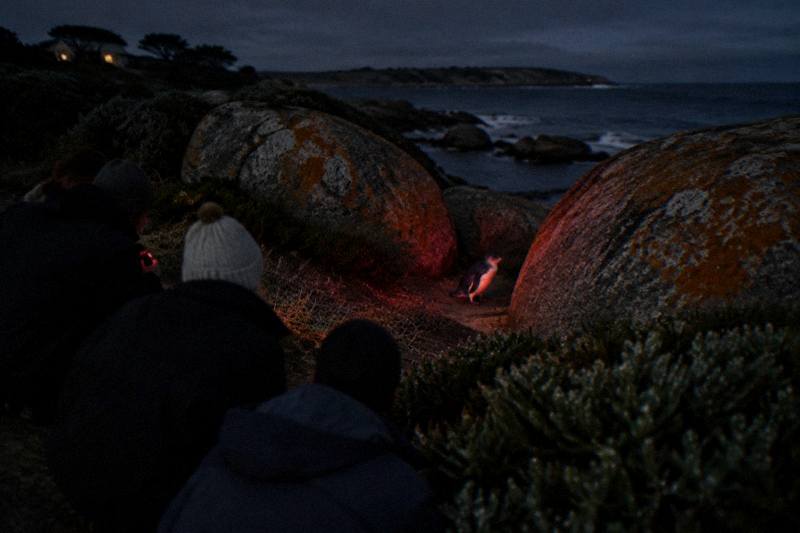
Where To See Penguins In Tasmania: Every Viewing Site Compared
Tasmania has exactly two bookable guided penguin tours, one on the East Coast at Bicheno and one on the North Coast at Low Head, plus a string of free viewing platforms run by councils and volunteers. Here is what each site actually offers, and what each one cannot.
Short answer
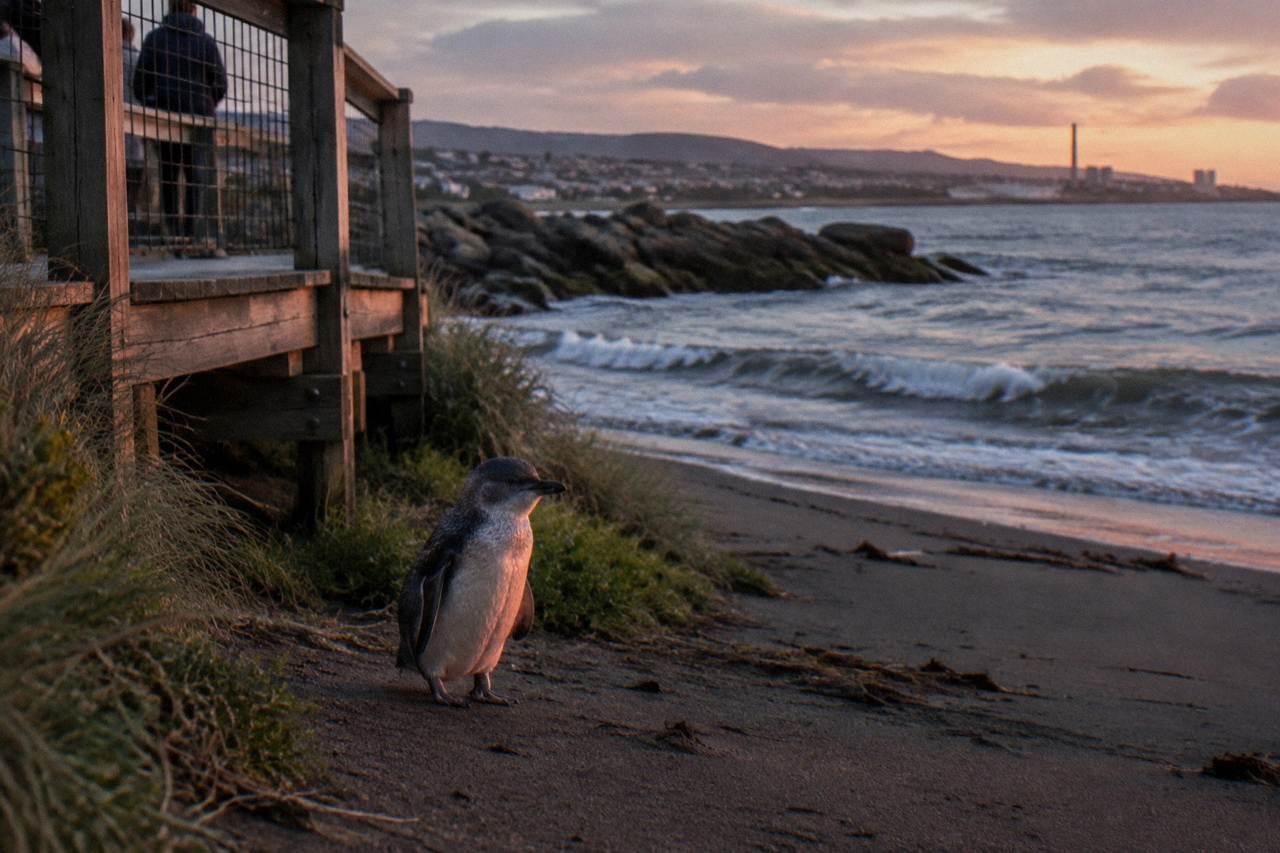
The two guided options are the Bicheno tour, from $53 per person for a 70-minute beach walk, and the Low Head tour from Launceston, from $83 per person with transfer and about 3 hours door to door. Free viewing exists at Bruny Island Neck, Lillico, Burnie, Stanley and the Penguin township, all at dusk.
Little penguins are the smallest penguin species on earth, adults weigh about 1 kg and stand roughly 40 cm tall, and the majority of the Australian population lives in Tasmania. Past state estimates put the Tasmanian population at 110,000 to 190,000 breeding pairs, with most of those on offshore islands and under 5 percent on the mainland coast, which is the honest reason a penguin sighting is never guaranteed anywhere. What Tasmania does offer is a clear set of places to try: two bookable guided tours, at Bicheno on the East Coast and Low Head on the North Coast, and a set of free, mostly volunteer-run viewing platforms scattered from Bruny Island to Stanley. This guide walks through all of them, what each costs, what the rules are, and how to choose. If you're building a wider itinerary around the trip, the guide to things to do in Tasmania shows where a penguin stop fits alongside the island's other highlights.
Where Can You See Penguins In Tasmania?
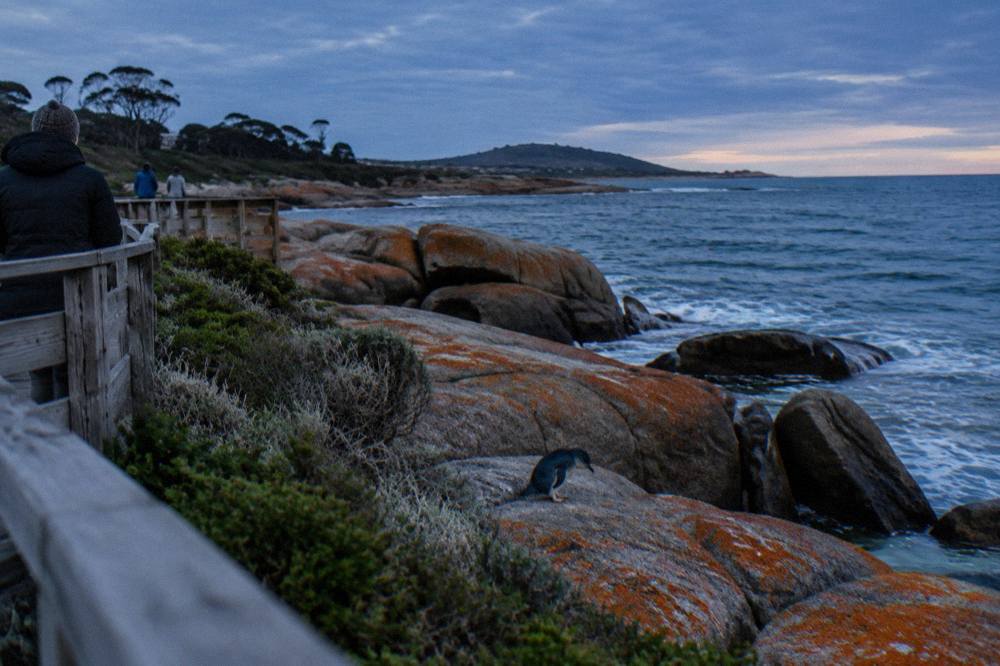
Tasmania has seven realistic penguin viewing options: two guided tours at Bicheno and Low Head, and five free viewing areas at Bruny Island Neck, Lillico Beach near Devonport, the Burnie Observation Centre, Godfreys Beach at Stanley, and the beaches around the Penguin township. All are dusk experiences, and none can promise a set number of birds. The Parks and Wildlife Service names the Neck Conservation Area, Lillico Beach, Low Head, Burnie and The Nut at Stanley as places where little penguins and shearwaters can be seen at dusk on its seabirds and shorebirds page. The two guided tours add structure, red-light equipment and a guide who knows where the birds land, which is why they are the picks on this site. The free sites cost nothing and rely on you following the rules on your own.
The split matters more than most visitors expect. A guided tour puts you with a group, a guide and managed lighting on a beach where birds reliably return; the free platforms put you on a boardwalk or a sand dune with whatever the night brings. Neither is the wrong choice. Families with small children, travellers without a car, and anyone visiting in the quieter winter months usually get more from a guide, while confident self-drivers on a budget can do very well at Burnie or Lillico in season.
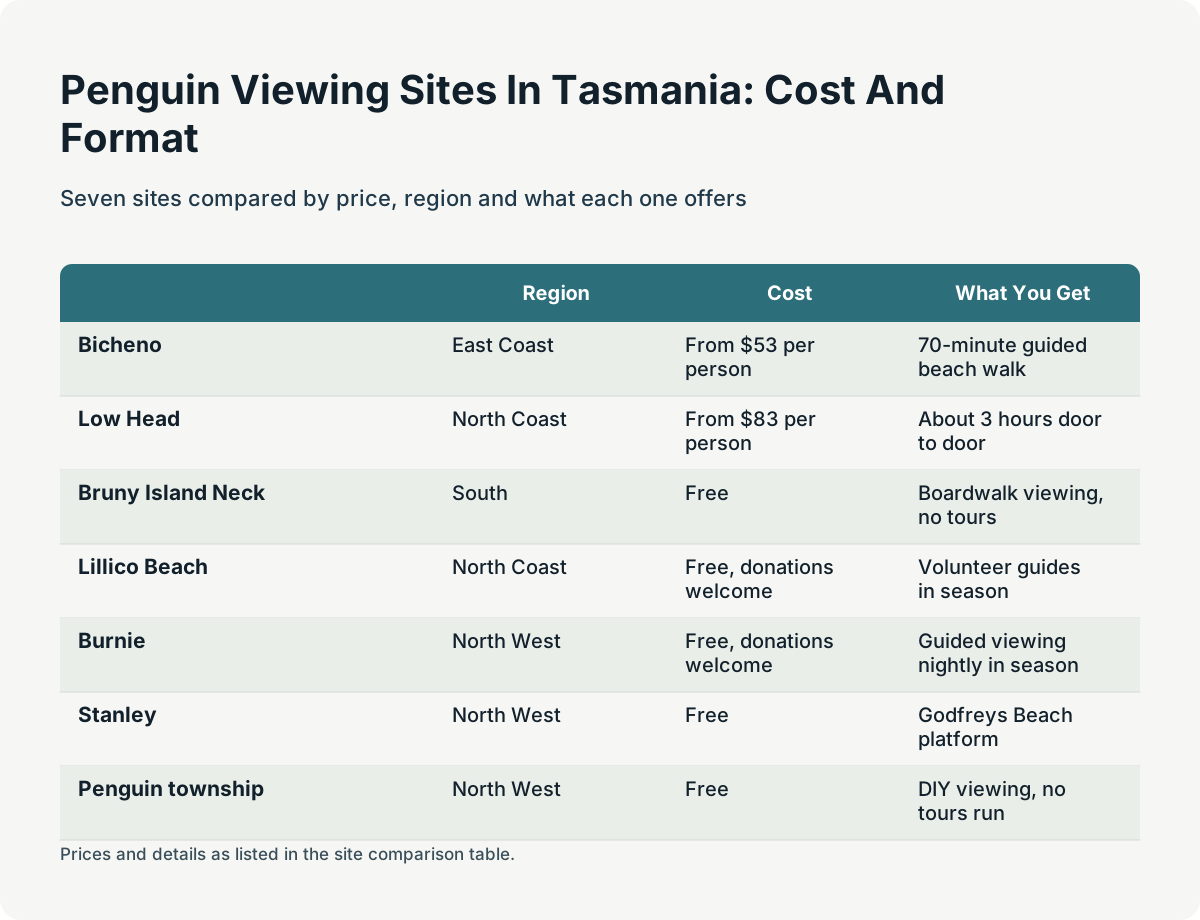
| Site | Region | Type | Cost | What You Get |
|---|---|---|---|---|
| Bicheno | East Coast | Guided tour | From $53 per person | 70-minute guided beach walk at a private rookery |
| Low Head | North Coast | Guided tour with transfer | From $83 per person | About 3 hours door to door from Launceston, about 1 hour viewing |
| Bruny Island Neck | South | Free platform | Free | Boardwalk viewing, no guided penguin product |
| Lillico Beach | North Coast | Free platform | Free, donations welcome | Volunteer guides in season, generally September to April |
| Burnie | North West | Free guided viewing | Free, donations welcome | Volunteer guides nightly from 1 October to 31 March |
| Stanley | North West | Free platform | Free | Godfreys Beach platform, described on local tourism pages |
| Penguin township | North West | Self-guided | Free | DIY viewing at local beaches, no tours run |
No operator or agency publishes a current colony count for any of these places, and any number you see quoted elsewhere should be treated with caution. What is documented is the recovery story at Bicheno, where the colony fell to about 40 birds in the early 1990s after dog attacks and then rebuilt through land restoration on the operator's own account. That is the closest thing to a population figure that exists for a named rookery, and it is a story about the past, not a promise about tonight.
Which Guided Penguin Trips In Tasmania Are Worth Booking?
The two guided tours worth booking are the Bicheno penguin tour, rated 4.8 from 26 reviews and priced from $53 per person, and the Low Head penguin tour from Launceston, rated 5.0 from 22 reviews and priced from $83 per person. Both run at dusk, both allow free cancellation, and the Low Head listing caps groups at 10 guests, so neither tour feels like a stadium spectacle. Only two guided penguin tours in Tasmania can be booked right now: one at Bicheno, one at Low Head. There is no third operator, no Hobart-based evening penguin tour, and no commercial product on Bruny Island.
The Bicheno tour is a 70-minute experience built around a short bus ride from the operator's shop at 1/70 Burgess Street to a private rookery, then a guided walk of about 500 m over roughly 50 minutes. It runs year-round except Christmas Day and New Year's Eve, with departures between 7:30pm and 9:30pm in the September to January season and between 5:00pm and 7:30pm from February to August, adjusted to dusk. There are no accommodation pickups, so you make your own way to the shop. Photography is permitted without flash, and enclosed shoes are required. The listing is flagged as often selling out, which is the one urgency note we will make on this site: book ahead rather than turning up on the night.
The Low Head tour is the northern answer, and it suits a completely different traveller. The product listed here is the small-group version with a central Launceston pickup: about 3 hours door to door, including the transfer and about an hour of guided penguin viewing at Low Head near George Town, with a maximum of 10 guests. Tours run every night just after sunset at the Low Head Coastal Reserve, and the guides supply low-intensity red lighting, with no torches, selfie sticks or tripods allowed. Wheelchair access is available, which is rare for penguin viewing anywhere.
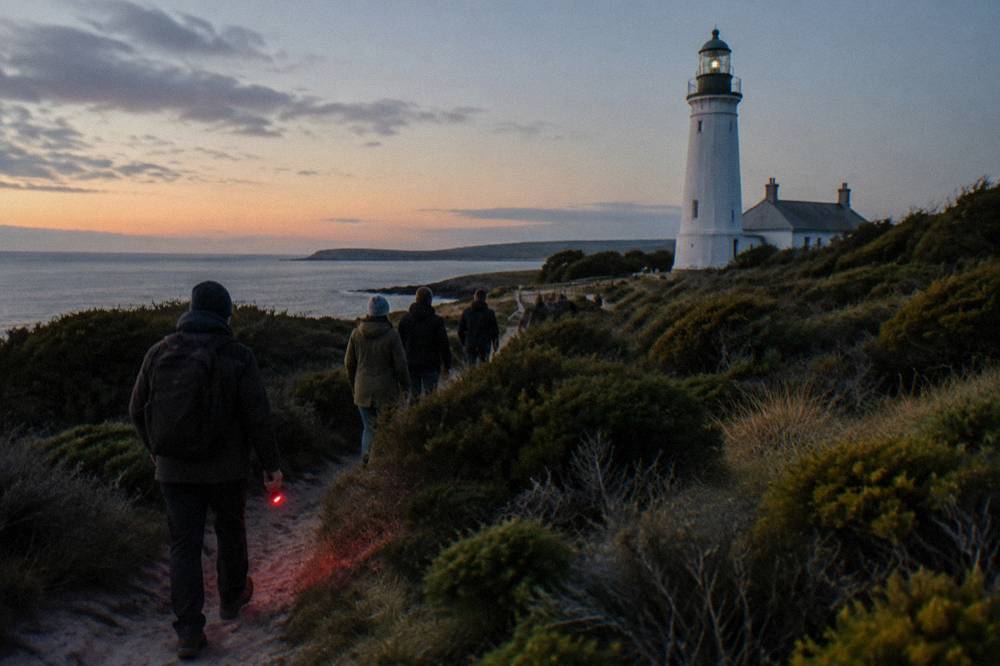
The Low Head operator also sells direct tickets at its own counter, at $50 per adult without the Launceston transfer, and that direct price is not a competitor to the $83 listing: the listed product adds pickup, transfer and return, which is the whole point if you are staying in Launceston without a car. If you are driving yourself to Low Head and want to save, booking direct at the gate is a legitimate option. If you want the door-to-door version, the listing is the one.
How Do The Bicheno And Low Head Tours Compare?
Bicheno is the cheaper, shorter pick at from $53 per person for 70 minutes on the East Coast; Low Head is the fuller evening at from $83 per person for about 3 hours including a Launceston transfer, a 10-guest cap and a 5.0 rating from 22 reviews. Choose Bicheno for value and East Coast itineraries, choose Low Head if you are based in Launceston or want a very small group. The two tours do not compete with each other so much as serve two different road trips, because Bicheno and Low Head sit on opposite coasts of the island.
| Bicheno Tour | Low Head Tour With Transfer | |
|---|---|---|
| Price | From $53 per person | From $83 per person |
| Rating | 4.8 from 26 reviews | 5.0 from 22 reviews |
| Duration | 70 minutes | About 3 hours door to door |
| Viewing time | Walk of about 50 minutes | About 1 hour guided viewing |
| Group size | Not stated on the listing | Maximum 10 guests |
| Meeting point | Operator's shop, Burgess St, Bicheno | Central Launceston pickup |
| Cancellation | Free cancellation | Free cancellation |
| Best for | East Coast travellers, shorter evenings | Launceston-based travellers, small-group fans |
One honest note on the review pools: 26 reviews and 22 reviews are small samples, and we print the counts beside the ratings for exactly that reason. Both scores are strong, and both operators have run nightly tours for years, but neither number supports calling either product the most popular or best-selling anything. What the numbers do support is that recent guests have consistently rated both experiences highly, and that the Low Head listing has a perfect score from a modest pool.
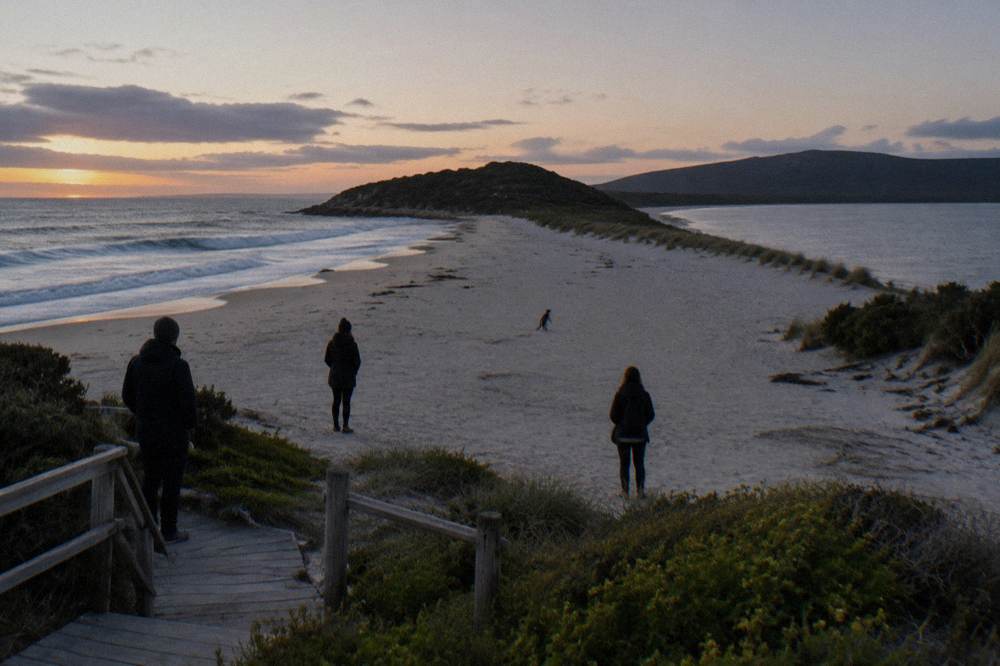
If the decision is genuinely balanced, the tiebreakers are practical. Bicheno sits on the Great Eastern Drive route, so it pairs naturally with Freycinet and the East Coast, and it is the shorter commitment on a cold night. Low Head pairs with the Tamar Valley and Launceston, removes all driving for hotel guests, and caps the group at 10. We compared the listings in full in the Bicheno versus Low Head comparison, which goes deeper on the practical differences than this overview can.
For travellers who already know they want the East Coast option, the next question is simply when to go. The Bicheno tour runs every night of the year except Christmas Day and New Year's Eve, and its departure times shift with the seasons, so the practical planning step is picking a date that fits your drive up the coast and checking the live listing for that night's start time.
Where Can You See Penguins For Free In Tasmania?
Free penguin viewing exists at Bruny Island Neck, Lillico Beach near Devonport, the Burnie Observation Centre, Godfreys Beach at Stanley and the beaches of the Penguin township, with volunteer guides at Lillico and Burnie during their seasons and self-guided viewing elsewhere. All are dusk experiences, all ask for red light only and no flash, and none charge entry. Free does not mean unsupervised: at Lillico and Burnie, volunteers are on the platform or boardwalk in season precisely to keep the viewing within the rules.
Burnie is the strongest free option in the state for most travellers. The Friends of Burnie Penguins run free guided viewing nightly from 1 October to 31 March, with guides at the Observation Centre on The Boardwalk from about half an hour before dusk, whatever the weather, with no booking needed and donations welcome. The boardwalk is level and wheelchair accessible. Outside the guiding season you can still watch from the same spot on your own. Our Burnie penguin viewing guide covers timing and what the volunteers do in more detail.
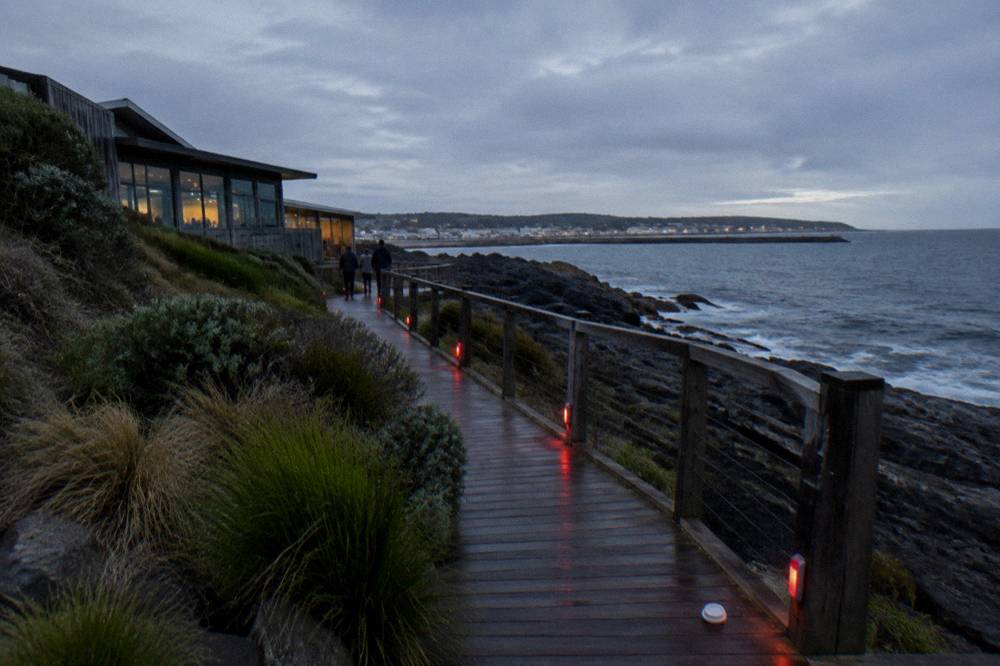
Lillico Beach is the Devonport option, ten minutes west of the city, where a viewing platform in the Lillico Strait Conservation Area is generally used from September to April with volunteer guides on site in season, holding red torches and turning away visitor torches and flash. The Devonport City Council page describes it as free with donations accepted, and our Lillico Beach platform guide explains how the volunteer nights work. Bruny Island's Neck Conservation Area has a viewing platform named by the Parks and Wildlife Service; the platform's hours, fees and access details are not published on an official page, so check the service before planning a night there, and read our Bruny Island penguins guide for the ferry and logistics. At Stanley, local tourism pages describe a free, accessible viewing platform at Godfreys Beach with red lighting. The Penguin township on the north-west coast, named for the bird, has self-guided viewing at its local beaches at dusk, with no organized tours currently running and no published colony count, which says a lot about how different it is from the guided sites.
The honest trade-off with every free site is certainty. Volunteer seasons, weather, moonlight and the birds themselves all vary, and in the quieter months from February to August the free platforms can feel very empty. The guided tours run year-round, and the guide's local knowledge is what you are partly paying for.
What Rules Apply At Every Penguin Viewing Site?
The rules are the same everywhere in Tasmania: no flash photography, dim red-light torches only and never pointed at the birds or the water, stay at least 3 m from burrows, keep quiet and still, approach from land rather than along the beach, and never bring dogs or cats, even leashed. These come from the NRE Tasmania penguin watching guidelines, and they exist because penguins come ashore at last light and disturbed birds stay at sea longer, which delays feeding of chicks. Breaking them is not a style choice; it stresses protected wildlife and, at the extreme, harassing or catching a penguin is illegal.
The practical version is simple. Wear dark clothing and settle into your spot before last light. Use existing tracks and boardwalks, never walk through a colony, and pick a position that does not block burrow entrances. Video without spotlights is fine, binoculars help, and food scraps go home with you. On the guided tours the guide manages most of this for you, supplying red lighting at Low Head and enforcing the no-flash rule at Bicheno. At the free sites you are your own guide, which is the real argument for doing a tour at least once: you see what disciplined viewing looks like. Our penguin photography rules guide covers the camera side in full.
One current note worth knowing: H5 bird flu has been detected in Tasmanian wild birds, including little penguins on King Island, with 46 positive events reported since 19 June 2026 and no viewing-site restrictions found in response. Do not approach or touch sick or dead birds, and report them on the Emergency Animal Disease Hotline at 1800 675 888. The wider set of guides lives on Tasmania Penguin Tours.
When Is The Best Time Of Year To See Penguins?
September to January is the breeding season with the most activity at most sites, February to April is the moulting window when adult birds stay ashore for two to three weeks, and the winter months from roughly June to August are quieter but still workable on the guided tours, which run year-round. There is no official month ranking, and any "best month" claim presented as fact should be ignored. What is defensible is the seasonal pattern, and it is driven by breeding biology rather than marketing. If you're wondering how that shoulder-season quiet plays out in practice, the guide to seeing penguins in Tasmania in May covers which viewing sites stay open and what the birds are up to then.
Breeding starts with nest preparation in winter, and clutches of two eggs can appear as early as May or as late as December, with parents sharing incubation in shifts of up to a week, eggs hatching after about 35 days and chicks fledging at about eight weeks. That long, overlapping window is why September to January feels busy at the rookeries: there is almost always someone incubating, feeding chicks or restructuring a burrow. The Bicheno operator frames September to January as its breeding season and February to August as its quieter winter season, and the free volunteer sites at Burnie and Lillico only run their guiding seasons from spring to autumn. If you are travelling in the off-season, the guided tours are the reliable option, and the earlier winter departure times between 5:00pm and 7:30pm at Bicheno are a genuine comfort with children. Our best time to see penguins guide takes the month-by-month view.
Timing within the night matters as much as the month. Most birds come ashore in small groups within an hour or so of darkness, so the experience is anchored to sunset, and sunset in Tasmania swings from roughly 6:20pm in early October to nearly 8:50pm in late December around Hobart. Tour start times are adjusted to dusk for exactly this reason, and the exact time is confirmed at booking. If dusk timing has you wondering whether these birds are actually locals, the guide to little penguins living in Tasmania year-round covers where they breed and how to find them.
What Should You Wear And Bring On A Penguin Night?
Wear dark, warm clothing in layers, enclosed comfortable shoes, and bring nothing that emits white light: no torches, no flash, no bright phone screens. Both guided tours supply or manage red lighting, the Bicheno tour requires enclosed footwear, and the NRE guidelines ask for dark clothing so you blend into the dusk. Tasmanian coastal evenings are cold even in summer, and you will be standing still for an hour, which is a different experience from walking.
The full packing logic, including what to do with children and what footwear fails on a sand path, is in our what to wear on a penguin tour guide. The short version: treat it like an evening at a cold, windy beach in whatever season you are visiting, add a layer you would not think you need, and leave the camera flash turned off permanently. Binoculars are genuinely useful if you own a pair.
Which Penguin Viewing Site Should You Choose?
Choose Bicheno if you are on the East Coast or want the cheapest guided night at from $53 per person; choose Low Head if you are based in Launceston, at from $83 per person with transfer; choose Burnie or Lillico if you are on the North West Coast in the October to March guiding season and want a free, volunteer-run experience. That single decision tree covers most travellers, and the rest is itinerary shape.
| Your Situation | Best Pick | Why |
|---|---|---|
| East Coast road trip, Freycinet area | Bicheno tour | From $53, 70 minutes, on your route |
| Staying in Launceston, no car | Low Head tour with transfer | Door-to-door pickup, about 3 hours total |
| North West Coast, October to March | Burnie Observation Centre | Free, guided nightly, no booking needed |
| Devonport base, September to April | Lillico Beach platform | Free, volunteer guides in season |
| South, day trip from Hobart | Bruny Island Neck platform | Free platform, check Parks and Wildlife first |
| Tight budget, any region | Free sites in season | $0, with self-discipline on the rules |
Two planning notes finish the picture. A parks pass is required for entry to Tasmania's national parks, but the main penguin viewing sites sit on council, operator or reserve land, and a pass requirement at the Neck is not established on an official page, so check the Parks and Wildlife Service if your plans include a park. And if you have read about the Phillip Island Penguin Parade, that is a different state: it is in Victoria, about 90 to 120 minutes from Melbourne, a ticketed grandstand event with no photography after sunset and about 40,000 little penguins on the Summerland Peninsula per its official page. Tasmania's offering is smaller, darker and quieter by design, which is exactly why many people prefer it. The Phillip Island versus Tasmania comparison breaks down the differences.
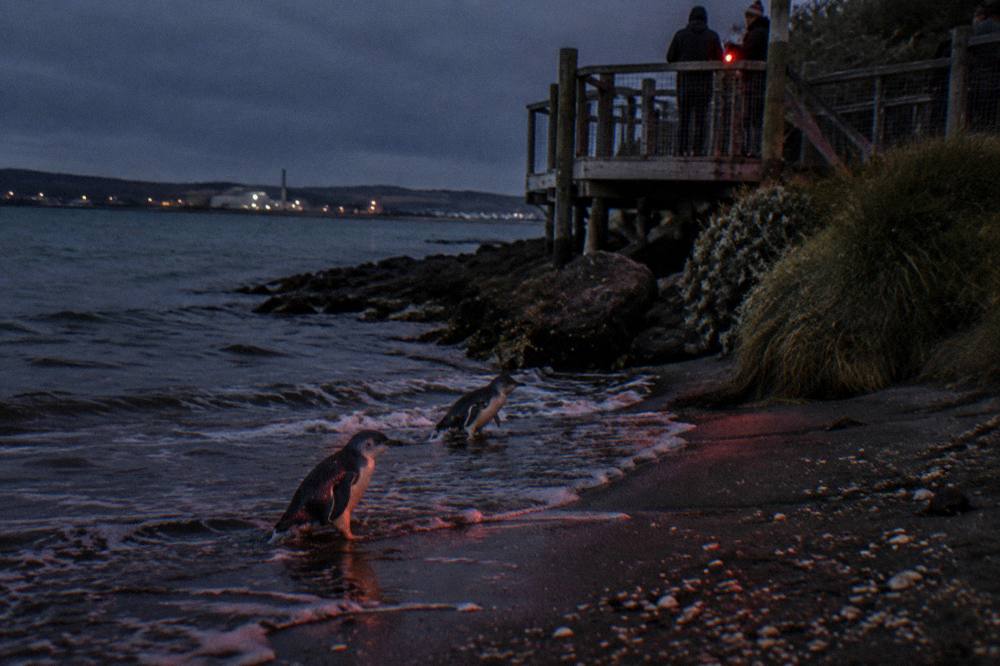
For the guided route, the Bicheno tour is the one this site features for first-time visitors: it is the cheaper of the two, the shorter commitment, and the one whose listing is flagged as often selling out, so it rewards booking ahead. You can read the full write-up on the Bicheno penguin tour page and Check availability once your dates are set. The homepage comparison on Tasmania Penguin Tours also puts the two listings side by side if you want the short version.
Whichever way you go, go at dusk, wear dark clothes, keep the torch red and the phone dark, and give the birds the beach. They are the smallest penguins in the world and they have had a long day at sea.
Common Questions About Seeing Penguins In Tasmania
Where can you see penguins in Tasmania?
At two guided tour sites, Bicheno on the East Coast and Low Head on the North Coast, and at free viewing areas including the Bruny Island Neck platform, Lillico Beach, the Burnie Observation Centre, Godfreys Beach at Stanley and the beaches around the Penguin township. All viewing happens at dusk.
Can you see penguins in Tasmania for free?
Yes. Burnie offers free guided viewing nightly from 1 October to 31 March, Lillico Beach has a free platform with volunteer guides generally from September to April, and the Bruny Island Neck, Stanley and Penguin township sites are free and self-guided. Donations are welcome at the volunteer-run sites.
What time of day do penguins come ashore in Tasmania?
Most birds come ashore in small groups within an hour or so of darkness, so viewing is anchored to sunset. Tour start times are adjusted to dusk, with Bicheno departing between 7:30pm and 9:30pm from September to January and earlier, between 5:00pm and 7:30pm, from February to August.
How much does it cost to see penguins in Tasmania?
The Bicheno guided tour starts at $53 per person and the Low Head tour with Launceston transfer starts at $83 per person. The free sites at Burnie, Lillico, Bruny Island Neck, Stanley and the Penguin township cost nothing, with donations welcome at the volunteer-run ones.
Can you take photos of penguins in Tasmania?
Photography is allowed without flash at the Bicheno tour, and video without spotlights is fine under the NRE guidelines. Flash must never be used on the beach, and only dim red-light torches are permitted, never pointed at the birds or the water.
Are there penguin tours from Hobart?
No evening penguin tour operates from Hobart. The two bookable tours depart from Bicheno on the East Coast and Low Head near George Town in the north, with the Low Head product including a central Launceston pickup. Hobart-based travellers need to factor in a significant drive to reach either.