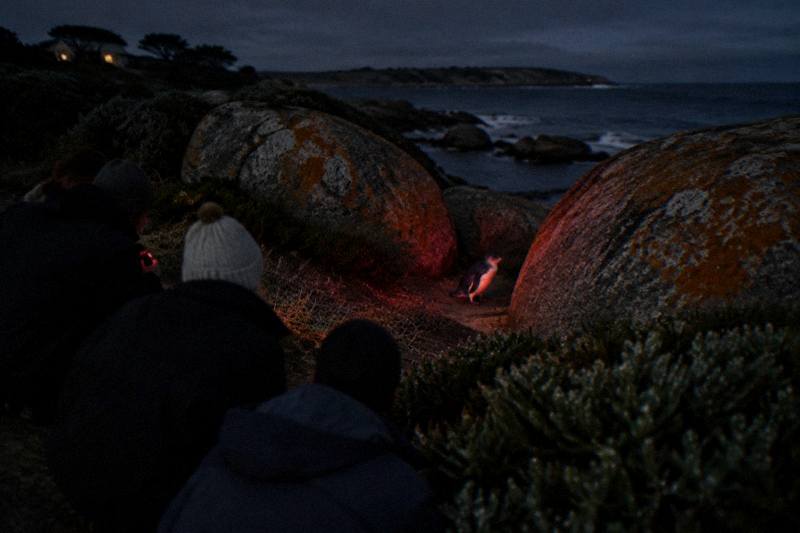
How To See Penguins On Bruny Island
Bruny Island is one of the places the Tasmanian Parks and Wildlife Service names for dusk little penguin viewing, at the Neck Conservation Area platform between the island's north and south halves. Here is how the ferry, the timing, the rules and the season fit together.
Short answer
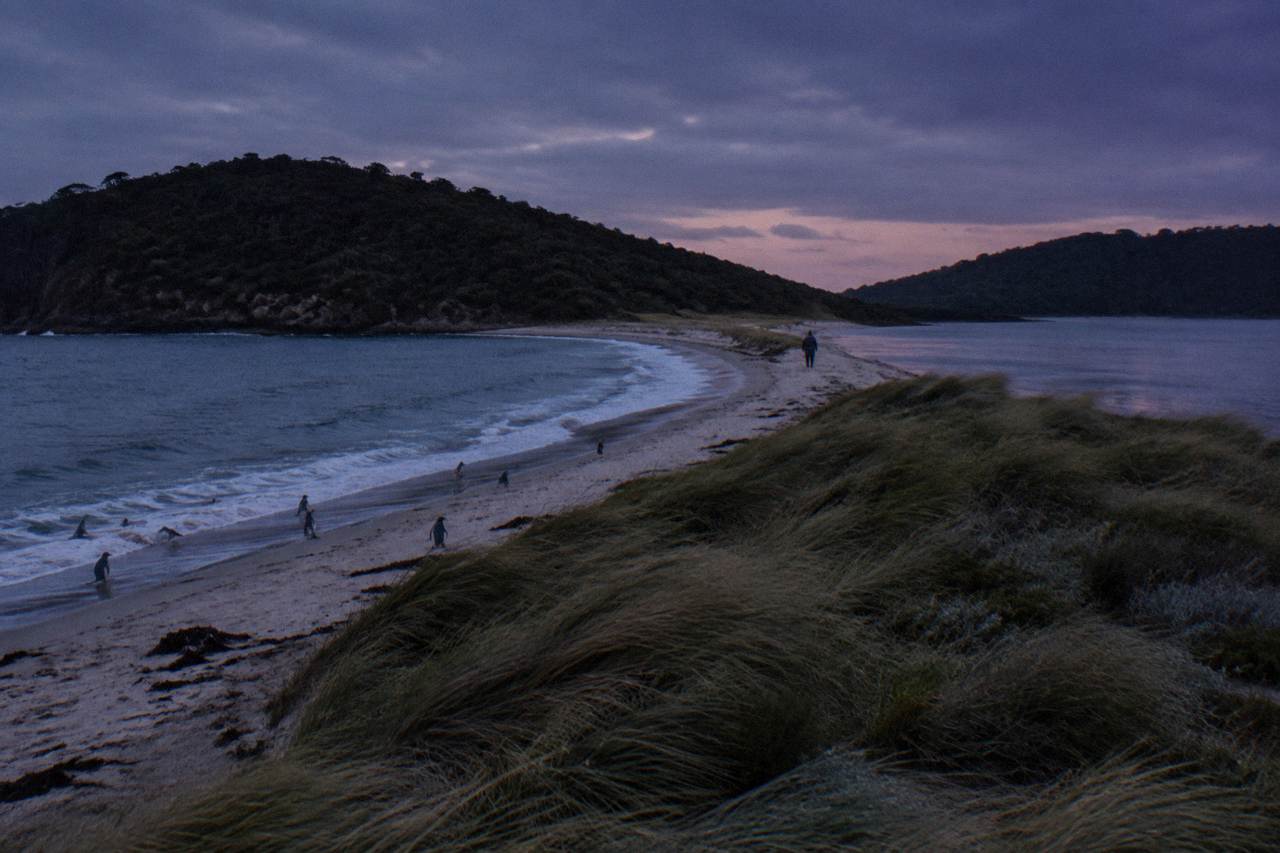
Little penguins come ashore at dusk at the Neck Conservation Area viewing platform, which Parks and Wildlife lists for penguins and shearwaters. No bookable Bruny penguin tour exists, so viewing is self-guided and free at the platform. The ferry from Kettering crosses in 20 minutes, and the nearest paid guided option is the Bicheno tour, from $53 per person.
Where Can You See Penguins On Bruny Island?
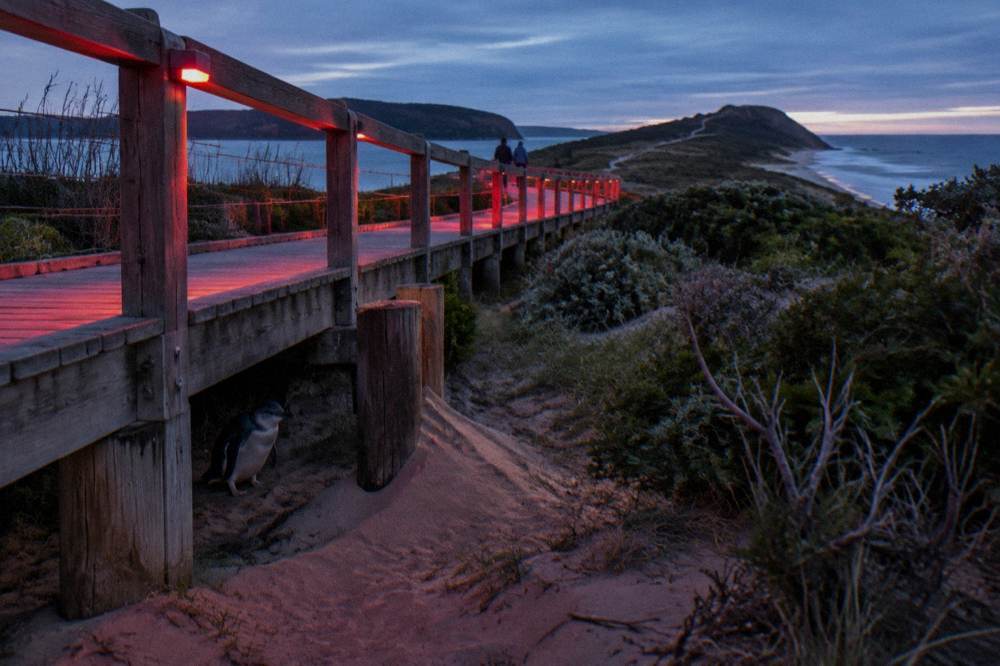
The place to stand is the Neck Conservation Area viewing platform, the spot the Parks and Wildlife Service itself names for dusk viewing of little penguins and short-tailed shearwaters. It sits on the narrow sandy isthmus that joins North Bruny and South Bruny, and it is the only penguin site on the island that appears on the service's official seabirds page. No other Bruny location is listed for penguins. If you're wondering whether a visit at dusk actually works in practice, the guide to seeing penguins on Bruny Island covers what to expect and how to get there.
The Neck is the island's most photographed strip of land, a low sand spit carrying the main road between the two halves of the island, with a long beach on either side and a lookout above. What the postcard views do not show is that this same stretch is a working rookery. Little penguins burrow into the dune vegetation here, and after dark they come up the beach in small groups to reach those burrows, which is exactly what the platform is built for. If you want the bigger picture of what draws visitors here, this guide to what Bruny Island is known for covers the ferry crossing, the lookout, and the penguins themselves.
The Parks and Wildlife Service describes the Neck Conservation Area as a highlight for little penguin and short-tailed shearwater colonies on its South Bruny national park page, and the service's seabirds and shorebirds page lists the Neck platform alongside Low Head, Lillico and Burnie as a dusk viewing site. That official listing is the strongest signal a visitor can get: this is a recognised, managed site rather than a rumour on a travel forum.
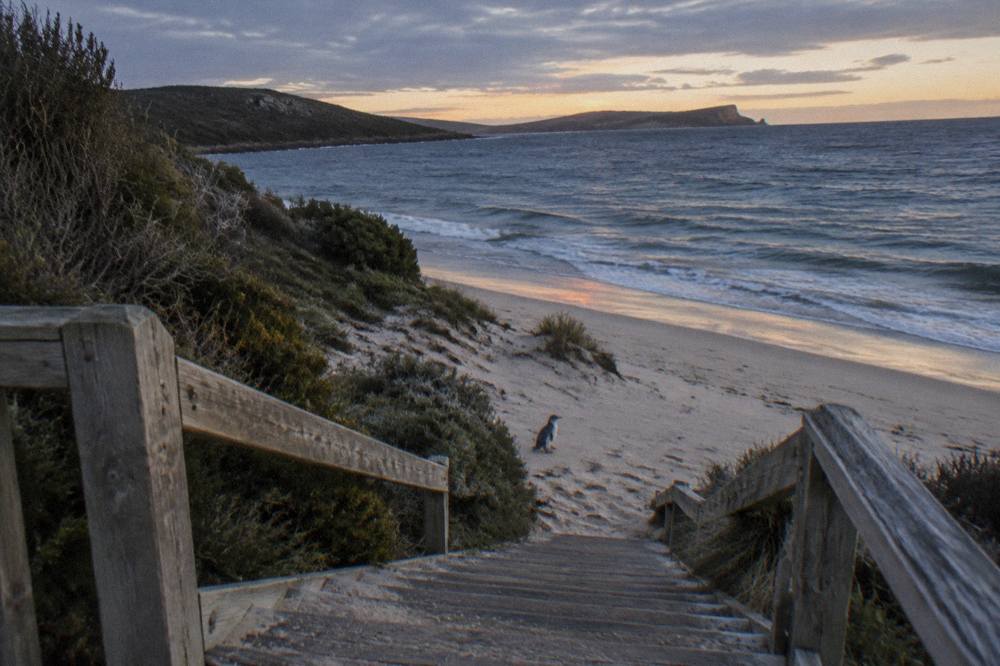
For opening hours, entry fees and access details at the Neck, check the Parks and Wildlife Service site before you go and repeating a number found elsewhere would be guesswork. If you are planning around a specific need, mobility or timing, check the Parks and Wildlife Service before you travel. For everything that is verifiable, read on.
It is also worth being clear about what Bruny is not. There is no bookable penguin tour on Bruny Island sold anywhere on this site, and no guided evening penguin walk on the island is currently offered. The Neck is a self-guided, arrive-at-dusk experience. If a guided evening with a guide and a red torch matters to you, the honest answer is to plan it elsewhere in Tasmania, and we cover those options further down.
How Do You Get To Bruny Island From Hobart?
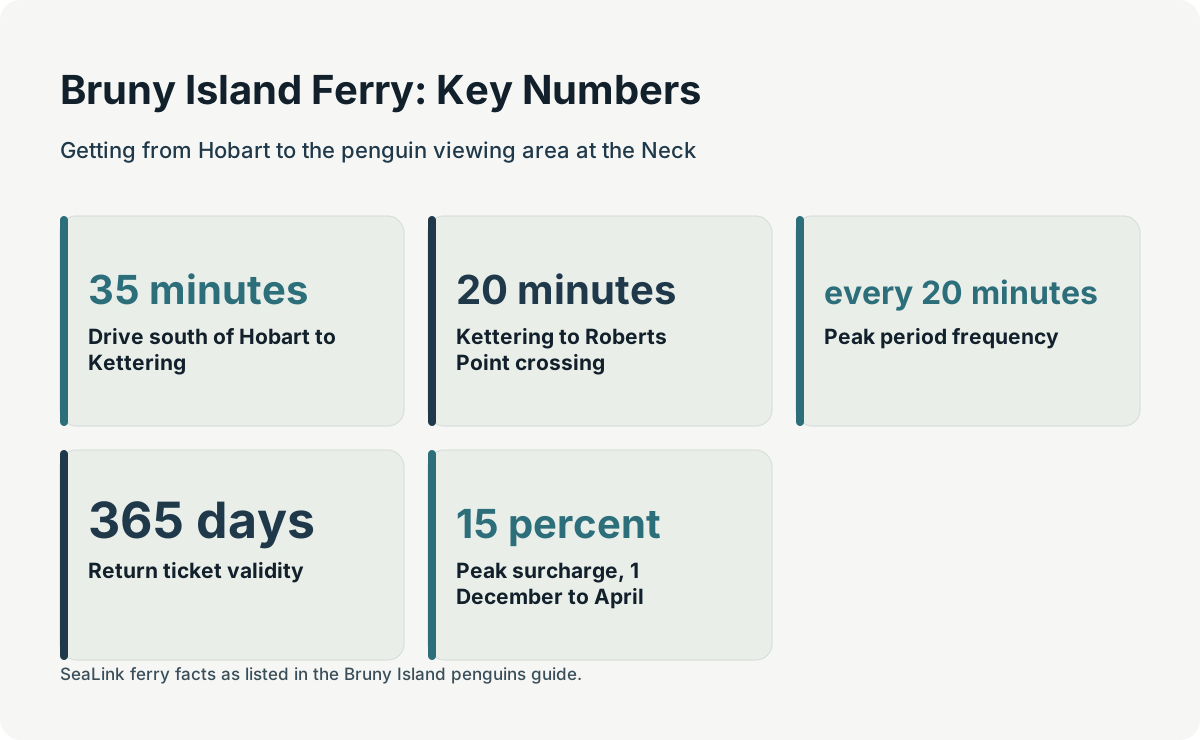
Drive about 35 minutes south of Hobart to Kettering, then take the SeaLink ferry from Kettering to Roberts Point. The crossing takes 20 minutes, the service runs 365 days a year, and it works on a queueing system: your ticket is valid for the next available ferry, not a specific sailing. The summer timetable started on 28 September 2026.
The ferry is the only way a vehicle reaches the island, and the queueing system is the detail that catches visitors out. You cannot book a particular sailing. You join the vehicle queue at Kettering, and pre-purchased tickets are honoured on the next ferry that has space. All tickets are return fares valid for 365 days. In peak periods the service runs roughly every 20 minutes, so even a long queue moves, but arriving mid-afternoon on a summer Saturday still means waiting.
Once you land at Roberts Point, the Neck is a drive south through North Bruny on the main road. We are not publishing a drive time for that leg because no official source gives one; check a mapping service for the day you travel. The road is sealed but narrow in places, and after dark it carries the same wildlife hazard as every Tasmanian road: drive slowly at dusk, when penguins, possums and wallabies are all moving.
| Ferry fact | Detail |
|---|---|
| Route | Kettering to Roberts Point, Bruny Island |
| Crossing time | 20 minutes |
| Frequency | Roughly every 20 minutes in peak periods, 365 days a year |
| Booking | No specific sailings; queueing system, tickets valid for the next ferry |
| Ticket validity | Return, open fare, valid 365 days |
| Summer timetable | From 28 September 2026 |
| Peak surcharge | 15 percent on the Visitor Regular fare, 1 December to April |
The current timetable and any service alerts are on the operator's own SeaLink ferry information page, which is the page to check the week you travel. The service status page has been showing services running as scheduled.
For penguin timing, the ferry schedule matters more than it first appears. Penguins come ashore within an hour or so of darkness, so an evening trip to the Neck means a late ferry back, or an overnight stay on the island. Many visitors solve this by staying the night in Adventure Bay or Alonnah and watching the birds on the way back to their accommodation.
What Time Do Penguins Come Ashore At The Neck?
Little penguins leave the water at last light and most come ashore in small groups within an hour or so of darkness, so the practical rule is to be settled at the platform before the sun goes down. In early October the Hobart-area sunset sits around 6:20 pm; by late December it peaks near 8:50 pm. The birds' schedule follows that slide across the whole summer.
The Department of Natural Resources and Environment Tasmania, whose biologists manage the state's little penguin information, puts it plainly: penguins leave the water at last light, and disturbed birds stay at sea longer, which stresses them and delays the feeding of chicks. That single fact is the reason every piece of advice about penguin watching starts with arriving early and staying still. A penguin that sees movement on the beach waits offshore, and a waiting penguin is a hungry chick on shore.
At the Neck you are also watching a second species. Short-tailed shearwaters, the muttonbirds, share the isthmus with the penguins, and they return to their burrows at dusk through the same hours. Their breeding presence runs September to April, and the Department notes their return to Tasmanian colonies in late September and early October each year. A still evening at the platform in October can deliver both birds in the sky and penguins in the surf line.
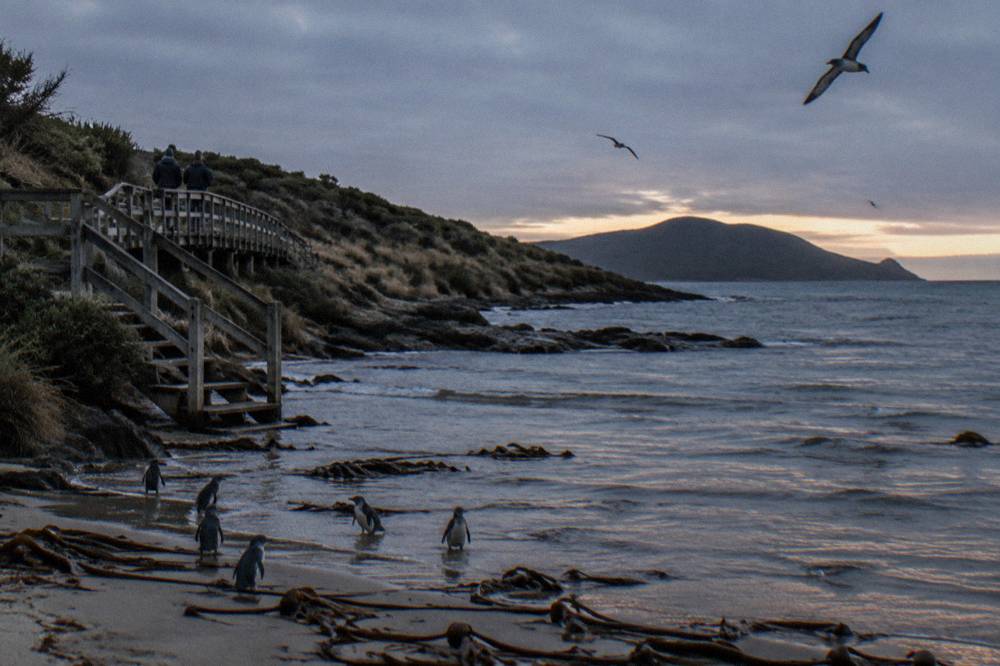
Because sunset shifts so much across the season, anchor your arrival to the day, not to a remembered time. Check the sunset time for the date of your visit, then aim to be standing quietly at the platform a good margin before last light. On a midsummer visit that can mean arriving after 8 pm; in late March it can mean arriving before 7:30 pm. The birds do not read timetables, but they reliably read the sky.
Is There A Guided Penguin Tour On Bruny Island?
No. There is no bookable guided penguin tour on Bruny Island, and this site does not sell one. The Neck platform is a self-guided, free, arrive-at-dusk experience, and the nearest guided evening penguin tours in Tasmania are the Bicheno tour on the East Coast and the Low Head tour near George Town on the North Coast.
That is an honest gap, not a hidden one. Bruny has wilderness cruises, gourmet day tours and sightseeing trips that pass the Neck lookout in daylight, but nothing we could verify runs a guided evening walk to a Bruny penguin colony. If a guide, a supplied red-light torch and a known meeting point are what you want from a penguin evening, the two real options are elsewhere on the island state.
The Bicheno option is the closest thing to a classic guided penguin experience in Tasmania. The listing describes a 70-minute guided beach walk: a short bus ride from the operator's shop on Burgess Street to a private rookery, then about 500 metres of walking over roughly 50 minutes with the guide. It runs from $53 per person, carries a 4.8 rating from 26 reviews, offers free cancellation, and the listing is flagged as often selling out, so advance booking is the sensible move. For travellers who want the penguin evening itself to be the event of the night, the Bicheno guided tour is the stronger choice.
Read more in the Bicheno Penguin Tours guide or see the 70-minute guided beach walk details, with Check availability on the live listing.
The Low Head option suits a different traveller. The listing includes central Launceston pickup, about three hours door to door with roughly one hour of guided penguin viewing at Low Head near George Town, a maximum of 10 guests, and a 5.0 rating from 22 reviews, from $83 per person with free cancellation. Our Low Head Penguin Tours guide covers it in full, and the Bicheno versus Low Head comparison weighs the two side by side.
What Are The Penguin Watching Rules At The Neck?
The state guidelines are specific: wear dark clothing, approach from land rather than along the beach, stay at least 3 metres from burrows, settle before last light, stay quiet, and use only a dim red-light torch, never pointed at the water or the penguins. No flash photography on the beach, no dogs or cats under any circumstances, and never touch a penguin, which is protected wildlife in Tasmania.
These rules come from the Penguin Watching Guidelines published by NRE Tasmania, and they apply at every viewing site in the state, the Neck included. They are not etiquette suggestions. Penguins are protected wildlife, and catching or harassing one is illegal. The practical core of the whole document is one sentence of biology: disturbed birds stay at sea longer, and that delays feeding their chicks.
| Rule | What it means at the Neck |
|---|---|
| Dark clothing | Plain, non-reflective layers so you read as silhouette, not threat |
| Approach from land | Use the track and platform, never walk the beach through the colony |
| 3 metres from burrows | Pick a viewing spot that does not block or sit beside burrow entrances |
| Settle before last light | Arrive early enough to be still and quiet before the first birds land |
| Red light only | Dim red torches or red cellophane; never point toward water or birds |
| No flash | Flash cameras are not used on the beach, full stop |
| No pets | No dogs or cats at any viewing site, even leashed |
| No touching | Penguins are protected; report harassment to a ranger |
The guidelines also ask visitors to take food scraps away and note that binoculars are genuinely useful, because they let you watch without closing distance. Video without spotlights is fine. The Department's own "About Little Penguins" page adds the simplest recommendation of all for people who are unsure of themselves at a wild colony: ideally, join a guided tour. On Bruny that is not possible, which is one reason the free, platform-based setup here asks a little more discipline from the visitor.
There is one current wildlife note worth knowing. H5 bird flu has been detected in Tasmanian wild birds, with 46 positive events reported since 19 June 2026, including little penguins on King Island. No viewing-site restrictions have been issued for it. The standing advice is to avoid contact with sick or dead birds and to report them to the Emergency Animal Disease Hotline on 1800 675 888.
When Is The Best Time Of Year For Penguins On Bruny Island?
September to January is the breeding season and the period of most activity at Tasmanian rookeries, with clutches of two eggs possible anywhere from May to December. February to April is the moulting window, when adults stay ashore for two to three weeks replacing feathers. Winter viewing is quieter, and the shearwaters that share the Neck are present September to April.
The breeding calendar is not a tidy one. The Department describes a season that varies by bird, place and year, commonly starting in winter with nest preparation, with incubation of about 35 days in shared shifts and chicks fledging at about eight weeks. Breeding has also become increasingly asynchronous in recent years, with winter breeding more frequent, including eggs laid as early as late May or June in past examples on the north-west coast. So the honest framing is a pattern, not a promise.
| Period | What is happening | What it means for viewing |
|---|---|---|
| September to January | Breeding season, most activity at many sites | The strongest months for numbers and beach traffic |
| February to April | Adults moulting ashore about 2 to 3 weeks | Birds visible but stationary; activity on the beach lower |
| May to August | Quieter season, nest preparation in winter | Fewer birds some nights, calmer viewing |
| September to April | Shearwaters present at the Neck | Dusk sky activity alongside the penguins |
Moulting deserves a word because it changes what you actually see. Before moulting, adults fatten at sea; during the moult they remain ashore for roughly two to three weeks while replacing all their feathers, unable to fish. A February or March evening at the Neck can therefore be about standing birds in the dunes rather than a parade up the sand, which some visitors find less dramatic and others find more intimate.
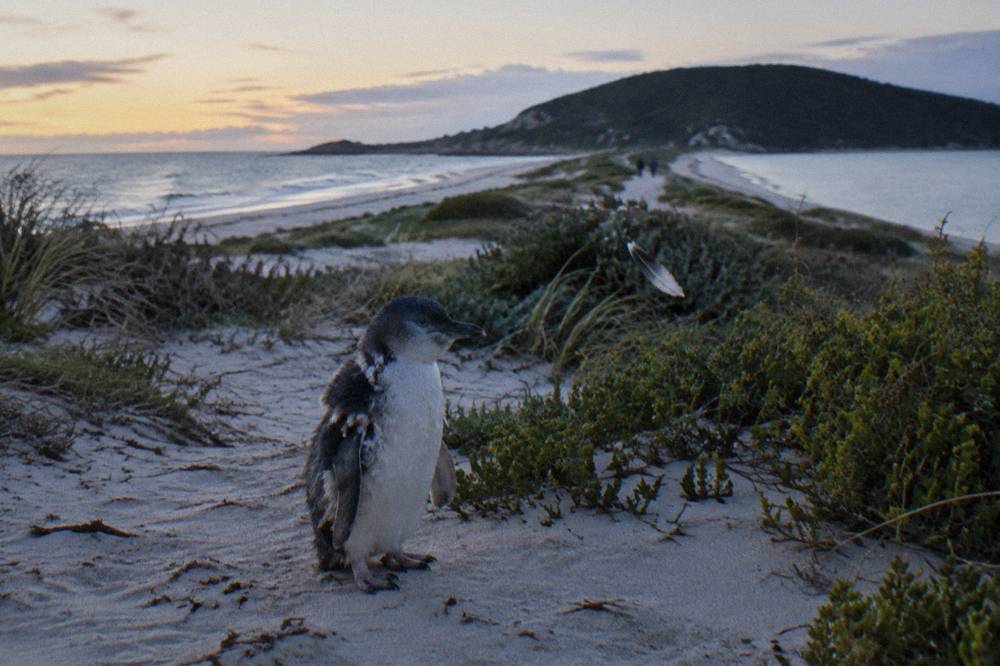
If your dates are locked to a quieter month, a guided option elsewhere can carry the evening. The Low Head tour runs year-round with penguin numbers varying by season, and the operator's own material notes higher numbers from November to February. The best time to see penguins in Tasmania breaks the whole state's calendar down month by month.
What Does The Ferry Cost And How Does The Queueing System Work?
From 28 September 2026 visitor fares were simplified to two options, Regular and Saver, with Saver applying at designated times. A vehicle under 6 metres on the Regular return fare is listed at $58.60 off peak, rising to $67.30 from 1 December to April, and the Saver return fare is $50.90. A 15 percent peak surcharge applies to the Visitor Regular fare only, 1 December to April.
Those are the operator's published example fares for a visitor vehicle under 6 metres, and they are the ones to budget from, but they change, so treat them as a planning range and confirm on the fares page before you book. Resident fares and the Saver option are unaffected by the peak surcharge. Motorcycles, bicycles and longer vehicles are listed separately.
| Visitor fare, vehicle under 6 m, return | Off peak | 1 December to April |
|---|---|---|
| Regular | $58.60 | $67.30 |
| Saver (designated times) | $50.90 | $50.90 |
The queueing system is the part to internalise. Every ticket is an open return valid for 365 days, honoured on the next available ferry. There is no advance booking for a specific sailing and no way to reserve one. In practice that means two things: pre-purchase online to skip the ticket queue at Kettering, and build slack into any evening plan that depends on a ferry, because the return queue after a long summer day on the island can be its own event.
For a penguin evening specifically, the arithmetic is simple. If you are not staying on the island overnight, you need a ferry back after dark, and the last sailings of the evening are the ones that fill first. The comfortable pattern is the one most locals use: take an afternoon ferry across, eat on the island, watch the dusk at the Neck, and either stay the night or accept that the return crossing may be the last one of the day.
What Else Should You Know Before A Bruny Evening?
The Neck campsite sits just past the lookout on the South Bruny side, and the Parks and Wildlife page for the area is the source for camping and track alerts. One current alert worth checking: walking tracks on the Labillardiere Peninsula, at the island's south end, were closed by fire from 31 October 2025, with the Jetty Beach Campground and Old Jetty Road reopened on 28 November 2025.
That closure does not touch the Neck or the isthmus, but it is a reminder that the official alerts page is the live source for anything that changes. The Neck campsite itself is outside the national park boundary, which also matters for the parks pass question: a valid pass is required for entry to all of Tasmania's national parks, but the Neck is listed as a Conservation Area and a pass requirement there is not established on an official page. Check the Parks and Wildlife Service if you are building a pass into a wider Tasmania itinerary.
For the rest of the island, the what Bruny Island is famous for guide covers the oysters, cheese and white wallabies people cross for, and the drive from Hobart to Bruny Island question deals with the mainland leg. If your evening at the Neck is one stop in a longer penguin trip around the state, the free penguin viewing sites across Tasmania page places Bruny alongside Lillico, Burnie and Stanley. If you're still mapping out the mainland leg, the guide to driving from Hobart to Bruny Island explains the ferry queue and fares so you can time your arrival for dusk.
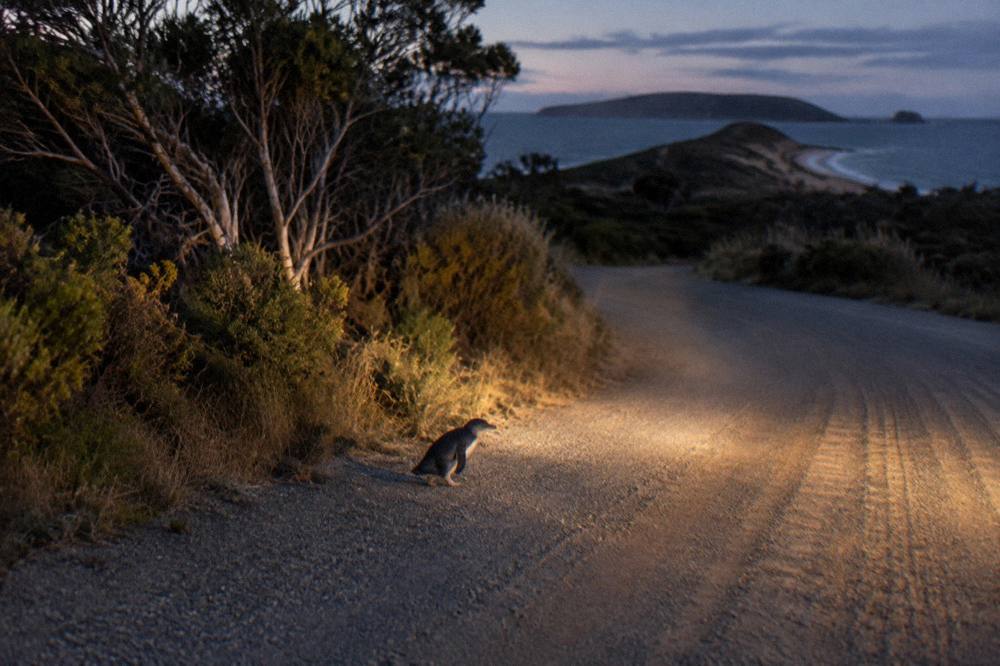
Packing for a Neck evening is the same packing as for any Tasmanian penguin site, and the what to wear on a penguin tour page has the full list. The short version: warm layers, because a still evening on an exposed isthmus is colder than the car thermometer suggests, dark clothing, enclosed shoes, and no torch brighter than a red one. Binoculars earn their space.
One more practical note for anyone planning around the whole state: the Spirit of Tasmania ferry fleet is in transition, with the new vessels beginning inaugural passenger sailings on 31 October 2026, initially with night sailings only. That does not affect Bruny, but it does affect Devonport arrivals and therefore the start of many North Coast itineraries.
Bruny Island Penguins Versus The Guided Alternatives
The Neck is free, self-guided and unbookable, which is its strength and its limit. Bicheno is a guided 70-minute walk from $53 with a 4.8 rating from 26 reviews. Low Head is a small-group tour with Launceston transfer, about 3 hours door to door, from $83, rated 5.0 from 22 reviews. Choosing between them is mostly choosing how much structure you want.
| Neck, Bruny Island | Bicheno tour | Low Head tour | |
|---|---|---|---|
| Format | Self-guided at a free platform | Guided beach walk, 70 minutes | Guided viewing with transfer, about 3 hours door to door |
| Price | Free | From $53 per person | From $83 per person |
| Rating | Not applicable | 4.8 from 26 reviews | 5.0 from 22 reviews |
| Group size | Open platform | Tour group | Maximum 10 guests |
| Getting there | Ferry from Kettering, own transport | Meets at Burgess St, Bicheno | Central Launceston pickup |
| Cancellation | Not applicable | Free cancellation | Free cancellation |
The Neck rewards the visitor who wants a wild, unmanaged hour with a torch and the sound of the sea, and who is happy to be the one managing their own behaviour. The tours reward the visitor who wants the certainty of a guide who knows where the birds come in, a supplied red light, and a start time confirmed at booking. Neither is the wrong choice, but on Tasmania Penguin Tours we would rather say plainly that Bruny offers the first kind of evening and not the second.
There is also a seasonal argument for splitting your trip. Bruny pairs naturally with Hobart and the South East, while Bicheno sits on the East Coast drive and Low Head sits near Launceston. A week that includes Hobart, the East Coast and the Tamar Valley can honestly include all three penguin evenings, and the east coast Tasmania itinerary shows how the driving fits together.
If you do decide a guided evening belongs in the plan, book it before you lock in the ferry. The Bicheno listing is flagged as often selling out and the operator advises booking weeks ahead in the busier months, while Low Head caps every departure at 10 guests with the Launceston pickup included. Both listings carry free cancellation, so an early booking costs nothing if the itinerary shifts later.
Common Questions About Bruny Island Penguins
Can you see penguins on Bruny Island?
Yes. The Parks and Wildlife Service names the Neck Conservation Area viewing platform for dusk viewing of little penguins and short-tailed shearwaters. Penguins come ashore at last light, so settle at the platform before the sun goes down, follow the state watching guidelines, and expect a free, self-guided evening rather than a ticketed event.
Is there a penguin tour on Bruny Island?
No bookable guided penguin tour on Bruny Island is sold on this site or verified on an operator page. The Neck is a self-guided platform experience. The nearest guided evening tours are the Bicheno tour on the East Coast, from $53 per person, and the Low Head tour with Launceston transfer, from $83 per person.
What time do penguins come ashore at the Neck?
Little penguins leave the water at last light and most come ashore in small groups within an hour or so of darkness. Sunset in the Hobart area runs from about 6:20 pm in early October to near 8:50 pm in late December, so check the sunset time for your date and arrive well before it.
How much does the Bruny Island ferry cost?
The operator's published example fares for a visitor vehicle under 6 metres are $58.60 return on the Regular fare off peak, rising to $67.30 from 1 December to April when the 15 percent peak surcharge applies, with the Saver return fare at $50.90. Fares change, so confirm on the operator's fares page before you travel.
Can you take photos of penguins at the Neck?
Photography without flash is the rule at every Tasmanian viewing site. Flash cameras should never be used on the beach, and only dim red-light torches are allowed, never pointed at the water or the penguins. Video without spotlights is fine. The state guidelines exist because disturbed birds stay at sea longer, delaying the feeding of chicks.
When is the best month to see penguins on Bruny Island?
September to January is the breeding season and the period of most activity. February to April is the moulting window, when adults stay ashore for two to three weeks, and winter is quieter. The shearwaters that share the Neck are present September to April, so spring and early summer deliver both species at dusk.