How Long Is The Drive From Hobart To Bruny Island?
The Hobart to Bruny Island drive is a 35-minute run to Kettering, then a 20-minute ferry crossing on a queueing system. Here is how to plan the trip, the fares, and the penguin viewing at the Neck.
How Long Is The Drive From Hobart To Bruny Island?
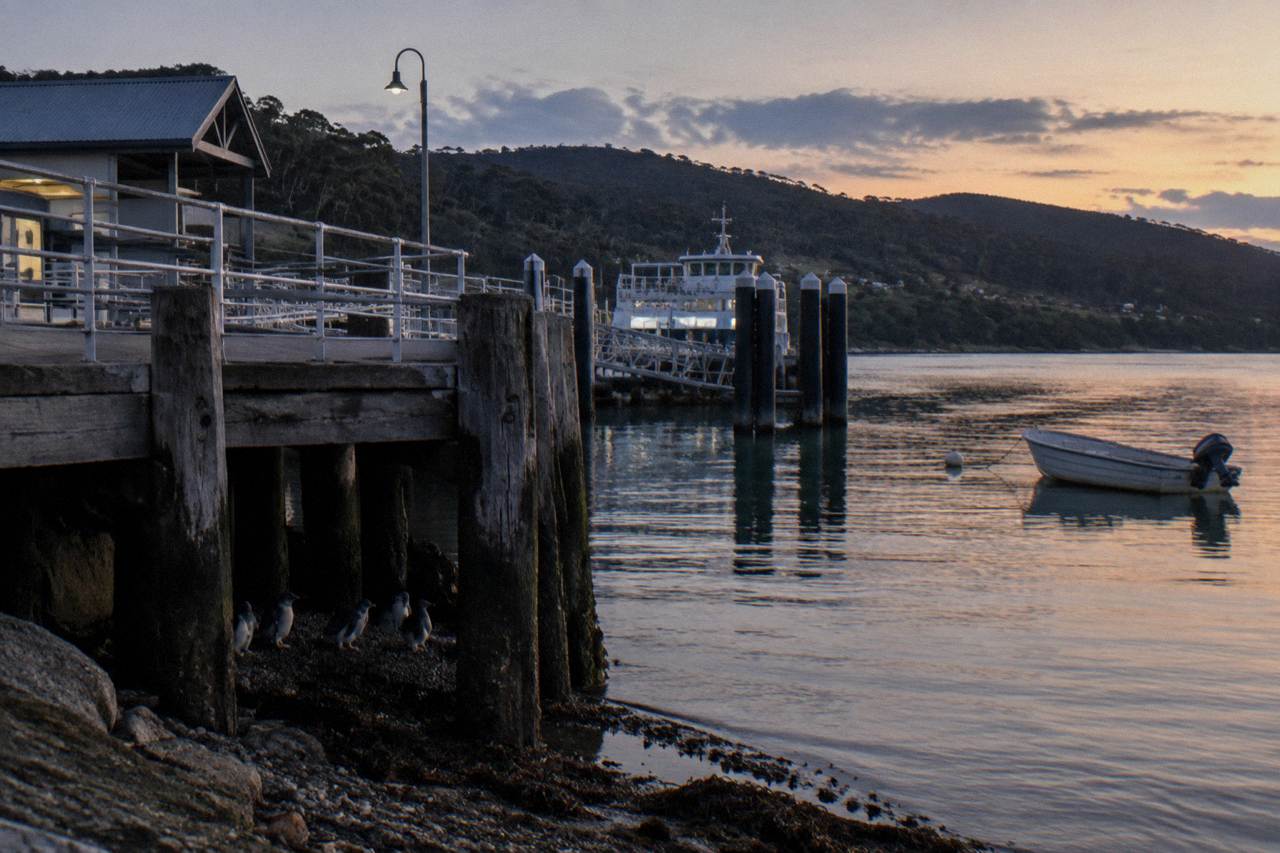
The drive itself is short: Kettering, where the Bruny Island ferry leaves, is a 35-minute drive from Hobart, and the crossing from Kettering to Roberts Point takes about 20 minutes. There is no bridge and no road onto the island, so the ferry is a fixed part of the journey, and the queueing system at the terminal is what usually determines how long the whole trip really takes. Once you're across on the ferry and settled into island time, the little penguins at The Neck make a rewarding first stop, and our guide to seeing the Bruny Island penguins covers the best viewing times and spots.
That 35-minute figure covers the run south from Hobart down the Channel Highway through Taroona, Kingston and Margate to the small marina village of Kettering. It is one of the easiest drives in southern Tasmania: a sealed, well-signposted highway the whole way, with the turn to the ferry terminal clearly marked as you come into Kettering. Allow a little more in peak periods, when day-trippers from Hobart and the southern beaches all converge on the same terminal approach road, but there is nothing difficult or remote about the route.
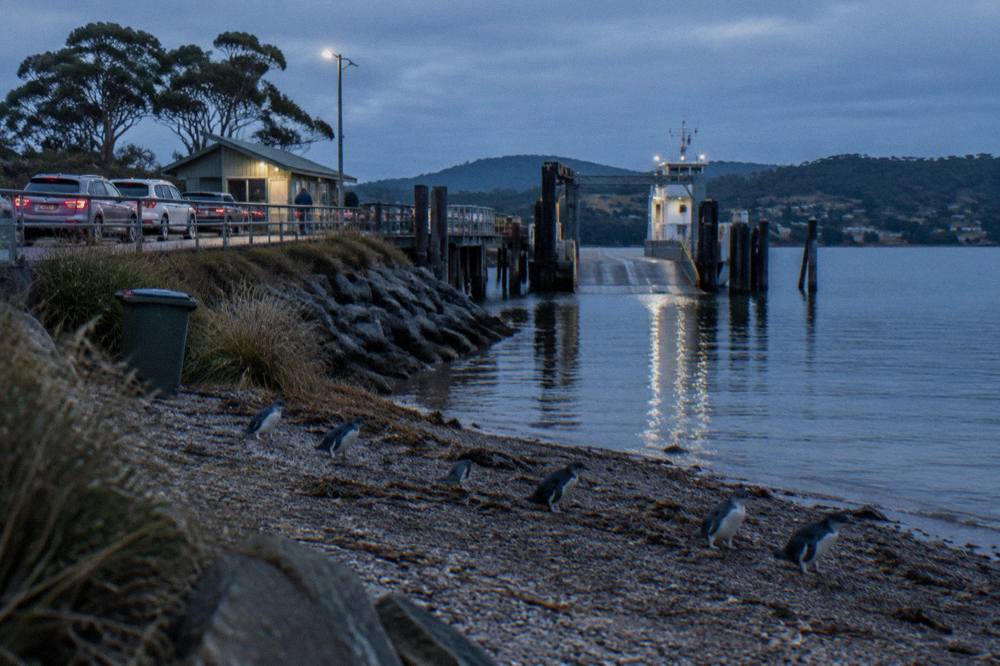
The 20-minute crossing is the second fixed cost in time. The ferry runs 365 days a year between Kettering and Roberts Point on Bruny Island's north end, with sailings roughly every 20 minutes in many periods and extra services in peak times. Once you are on board, the trip across the D'Entrecasteaux Channel is quick, and the approach to Roberts Point gives a first proper look at the island's wooded shoreline. You stay with your vehicle for the crossing.
What catches out first-time visitors is the queueing system. Tickets are not for a specific sailing: a pre-purchased ticket is valid for the next available ferry, and all tickets are return, open fares valid for 365 days. You can buy at the terminal on arrival at Kettering or pre-purchase online, but either way you join the physical vehicle queue and take the next ferry with space. In practice, that means a trip can be door-to-shore in under an hour, or it can stretch well past that on a summer Saturday when the queue is long.
For anyone building the island into a bigger southern Tasmania itinerary, this is the piece worth understanding before you set out. The rest of this article covers the fares, the timetable, the penguin viewing that draws many evening visitors to the island, and the practical details that make the difference between a smooth crossing and a long wait in a car park.
What Does The Bruny Island Ferry Cost And How Does Queueing Work?
A vehicle under 6 metres pays $58.60 return on the Regular fare from 28 September to 30 November, rising to $67.30 return from 1 December to April under the 15 percent peak-season surcharge, while the Saver fare costs $50.90 return at designated times. Fares were simplified to Regular and Saver options from 28 September 2026, and every ticket is a return, open fare valid for 365 days rather than a booking for a specific sailing.
The surcharge detail matters for anyone travelling in the busy months. From 1 December to April, the 15 percent peak-season surcharge applies only to the Visitor Regular fare; Saver fares and resident fares are unaffected. That is why the same vehicle crossing shows two different Regular prices depending on the date, and why checking the fares page before you travel is worth a minute of your time. The figures above are the published example fares for a visitor vehicle under 6 metres; other vehicle lengths, motorcycles and bicycles are listed separately on the operator's fares page.
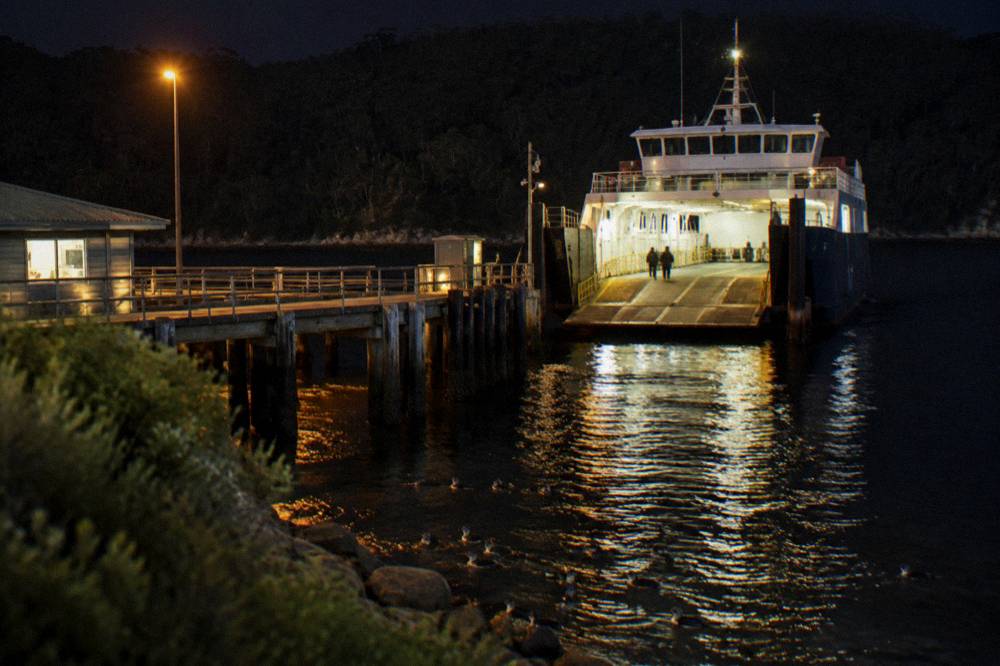
The queueing system is the operational heart of the crossing, and it rewards a small amount of planning. Because a ticket commits you to the next available ferry rather than a departure time, arriving early in the day, or outside the mid-morning and late-afternoon peaks, is the single most reliable way to shorten your wait. The service's own status and timetable pages are the place to check current operating conditions, and the operator posts updates when services are disrupted. No advance booking for a specific sailing is required or possible, which removes one kind of stress and adds another: you cannot reserve a slot, so timing is everything.
| Cost or rule | Detail |
|---|---|
| Drive, Hobart to Kettering | 35 minutes |
| Ferry crossing, Kettering to Roberts Point | About 20 minutes |
| Vehicle under 6 m, Regular return, 28 Sept to 30 Nov | $58.60 |
| Vehicle under 6 m, Regular return, 1 Dec to April | $67.30 |
| Vehicle under 6 m, Saver return | $50.90 |
| Ticket type | Return, open fare, valid 365 days |
| Booking | No specific sailing; queue for next available ferry |
One more practical note: the fare is per vehicle, not per person, so a car full of travellers pays one vehicle fare for the return trip. Foot passengers, motorcycles and bicycles are priced differently on the fares page. If you are walking on as a passenger rather than taking a vehicle, the same queueing logic applies at the terminal, just in a separate lane.
The published fares page carries the full current price list, and the service status page is where disruptions are posted. Both are worth a look the day before you travel, particularly between December and April when queues and surcharges both bite.
Can You See Penguins On Bruny Island After The Drive?
Yes. Little penguins come ashore at dusk on Bruny Island, and the Parks and Wildlife Service names the Neck Conservation Area viewing platform as a place to see little penguins and short-tailed shearwaters at dusk. No tour operator runs a penguin-specific guided tour from Hobart to the island, so viewing here is a self-guided, platform-based experience, and the Parks and Wildlife Service guidance on penguin watching applies. For tips on timing your dusk visit and what to expect at the platform, see our full guide to seeing little penguins on Bruny Island.
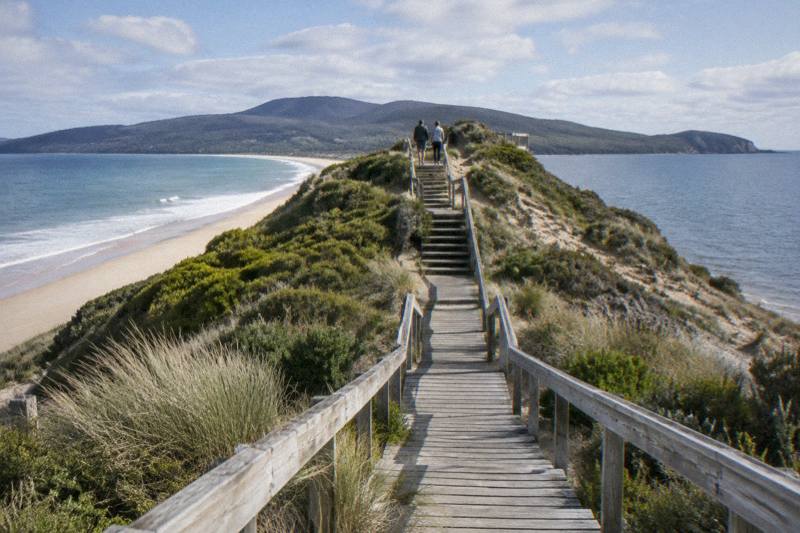
The Neck is the thin sandy isthmus that joins North and South Bruny, and it is the island's most famous viewpoint by day. After dark it becomes one of the publicly named penguin viewing spots in Tasmania. The Parks and Wildlife Service lists the Neck Conservation Area viewing platform alongside other dusk penguin sites such as Lillico Beach, Low Head and Burnie on its seabirds page. Exact platform opening hours, entry fees and step counts are not published on official pages, so check the Parks and Wildlife Service before you go rather than relying on secondhand numbers. The full index of guides sits on Tasmania Penguin Tours.
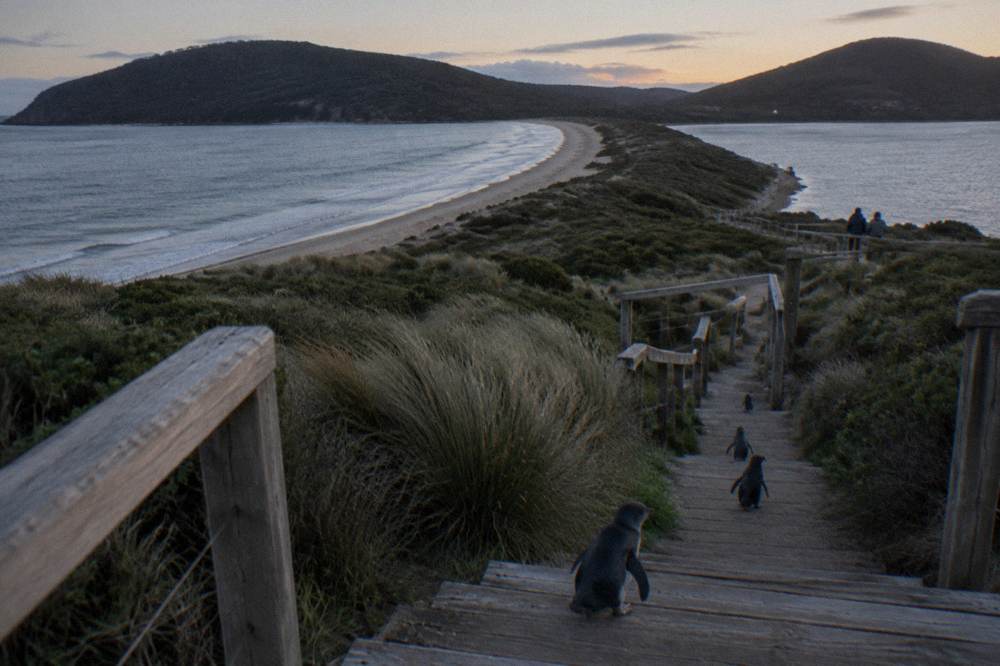
Because there is no guided penguin product on Bruny itself, the viewing rules carry the whole weight of protecting the birds. The state's penguin watching guidelines are specific: wear dark clothing, approach from land rather than along the beach, use existing tracks and never walk through the colony, settle at least 3 metres from burrows and never block them, stay quiet and still, and use only dim red-light torches, never pointed at the water or directly at penguins. Flash photography should not be used on the beach, and dogs and cats are prohibited under any circumstances, even leashed. Penguins are protected wildlife in Tasmania, and catching or harassing them is illegal.
The timing of a Bruny penguin evening is tied to the ferry in a way mainland viewing is not. Penguins come ashore in small groups within an hour or so of darkness, and sunset in the Hobart area runs from about 6:20 pm in early October to peaks near 8:50 pm in late December and early January. That means a summer evening at the Neck finishes late, and you need to be confident of a late ferry back, or stay on the island overnight. Check the timetable for the last sailing of the day before you plan a dusk viewing trip, because missing it means an unplanned night on Bruny. If an evening with the penguins has you curious about what else draws visitors across the channel, our guide to what makes Bruny Island so well known covers the highlights.
If a guided penguin experience is the priority rather than the island itself, the East Coast option is the stronger fit. The Bicheno Penguin Tour runs nightly to a private rookery, a 70-minute guided experience that starts with a short bus ride from the operator's shop on Burgess Street and continues with a guided walk of about 500 metres over roughly 50 minutes. It is rated 4.8 from 26 reviews, from $53 per person, with free cancellation, and the listing is flagged as often selling out, so booking ahead is the practical advice. Our Bicheno penguin tours guide covers the experience in detail, and the can you see penguins on Bruny Island post goes deeper on the island's own viewing.
One point worth weighing before you commit either way: the Bicheno tour's free cancellation policy means a change of plans costs nothing, which pairs well with a Tasmania road trip where ferry queues and weather can shuffle a schedule. The Bruny platform, by contrast, is free to visit but offers no guide, no interpretive commentary and no one to ask when the birds are late coming in. Both are legitimate ways to see little penguins; the difference is how much structure you want around the hour after dark.
When Do Ferries Run And What Changes With The Summer Timetable?
The ferry runs 365 days a year, with the summer timetable commencing on 28 September 2026. From that date, visitor fares were simplified to the Regular and Saver options described above, and the 15 percent peak surcharge applies to the Visitor Regular fare from 1 December to April. Sailings run roughly every 20 minutes in many periods, with additional services possible at peak times, and the crossing itself takes 15 to 20 minutes.
The summer timetable is the schedule that matters for most visitors reading this in the warmer months. It brought the simplified fare structure into effect and set the pattern of frequent crossings that carries the island through its busiest season. The queueing system means a timetable is less a promise of a departure time and more a statement of how often ferries cycle: in busy periods, back-to-back sailings keep the queue moving, but each ferry loads to capacity and the tail of the queue waits for the next cycle.
For planning purposes, the rhythm of the day matters more than any single departure time. Mid-morning is when day-trippers from Hobart arrive at Kettering, and the late afternoon sees the return surge. Early morning and early evening are the quieter windows. If your day on Bruny includes dusk penguin viewing at the Neck, the evening return is the constraint to plan around: know the last sailing, and treat anything after dark as a reason to book accommodation on the island rather than chance the queue.
The service status page is the official word on disruptions. Services are currently operating as scheduled; check the operator's ferry status page before you travel, but weather in the Channel can change quickly in spring, which is Tasmania's windiest period, with rapid changes between sunshine, wind and occasional hail. A rough crossing is rare given the sheltered water, but a delayed start to the day's sailings is possible, and checking status the morning of travel is cheap insurance.
What Should You Know Before Leaving Hobart?
Plan the drive in three parts: 35 minutes to Kettering, a variable queue, and a 20-minute crossing, then add island driving time on top, since Bruny Island is roughly 100 kilometres end to end. A parks pass is not established as required for Bruny Island access or the Neck, dusk driving demands caution for wildlife, and the island has limited evening services, so fuel, food and a plan for the last ferry all need sorting before you leave Hobart.
The island's internal geography is the part day-trippers most often underestimate. Once you are off the ferry at Roberts Point, everything on Bruny is reached by island roads: the Neck lookout, Adventure Bay, the South Bruny National Park coastline and the far south are each a further drive, and the more of the island you want to see, the earlier you need to be on a morning ferry. A day trip that tries to do the Neck, a lunch stop and a south-coast walk in daylight hours is tight but doable; adding a dusk penguin viewing to the same day pushes the return past the last sailing for most of the year.
Wildlife on the roads is a genuine Tasmanian dusk hazard, and the drive back from Kettering to Hobart after dark is exactly when wallabies and possums are active. The standard advice is to reduce speed and stay alert at dusk and dawn, and it applies as much to the Channel Highway as to the island's roads. On the island itself, unlit roads and wildlife are a reason to plan your evening viewing around a short, known drive rather than a long cross-island run in the dark.
What to wear and pack follows the same logic as any Tasmanian evening outdoors. Warm clothing and enclosed footwear are the norm for penguin viewing, red-light torches are the only lighting allowed around the birds, and the state guidelines ask visitors to settle into position before last light and stay quiet and still. Binoculars help. There are no ranger services on the beach at the Neck in the way a guided tour provides, so the discipline is entirely yours, which is the real difference between a platform evening and a tour like the guided options on the East Coast and North Coast.
For travellers structuring a whole Tasmania trip around penguins, the honest comparison is that Bruny offers the self-guided platform experience, while the guided products sit elsewhere: Bicheno on the East Coast and Low Head near George Town in the north. The penguin tours from Hobart and Launceston guide lays out which bases actually have guided tours, and the Low Head option, a small-group tour with a Launceston transfer rated 5.0 from 22 reviews and from $83 per person, suits a northern itinerary better than a southern one. If your trip is anchored in Hobart and the south, the island platform plus a Bicheno stop on an East Coast loop is the combination that fits the geography.
The drive itself, then, is the easy part of the question. Thirty-five minutes to Kettering and 20 minutes across the Channel are fixed, known numbers; the variables are the queue, the season's surcharge, and how much of the island you try to fit between two ferry cycles. Plan the queue, know the last sailing, and the Hobart to Bruny Island trip is one of the simplest island hops in the country.
Common Questions About The Hobart To Bruny Island Drive
How Long Is The Drive From Hobart To Bruny Island?
The drive from Hobart to the Kettering ferry terminal takes 35 minutes, and the ferry crossing from Kettering to Roberts Point on Bruny Island takes about 20 minutes. Add queue time at the terminal, which varies with the season and time of day, since tickets are for the next available ferry rather than a specific sailing.
Do You Need To Book The Bruny Island Ferry In Advance?
No. The ferry operates on a queueing system: tickets are valid for the next available ferry, and no advance booking for a specific sailing is required or possible. You can buy tickets on arrival at Kettering or pre-purchase online, and all tickets are return, open fares valid for 365 days.
How Much Does The Bruny Island Ferry Cost For A Car?
A visitor vehicle under 6 metres pays $58.60 return on the Regular fare for travel from 28 September to 30 November, or $67.30 return from 1 December to April under the 15 percent peak-season surcharge. The Saver return fare is $50.90 at designated times. Other vehicle lengths and motorcycle and bicycle fares are listed on the operator's fares page.
Can You See Penguins On Bruny Island?
Yes. Little penguins come ashore at dusk, and the Parks and Wildlife Service names the Neck Conservation Area viewing platform as a viewing spot for little penguins and short-tailed shearwaters. There is no guided penguin tour on the island, so viewing is self-guided and follows the state penguin watching guidelines: dark clothing, red light only, no flash, and no dogs.
What Is The Best Time Of Day To Cross On The Ferry?
Early morning and early evening are the quieter windows. Mid-morning is when day-trippers from Hobart arrive at Kettering, and the late afternoon brings the return surge. Since the queueing system means you take the next available ferry, arriving outside those peaks is the most reliable way to shorten your wait.
Do You Need A Tasmania Parks Pass To Visit Bruny Island?
A parks pass is required for entry to Tasmania's national parks, but a pass requirement for Bruny Island access or the Neck viewing platform is not established on official pages. The Neck is a Conservation Area and the ferry and viewing sites are not verified as pass-required. Check the Parks and Wildlife Service before you go if your itinerary includes national park stops.