Do Penguins Live In Tasmania?
Yes: little penguins live in Tasmania year-round, and the majority of the Australian population breeds here. Where they are, when they come ashore, and how to see them.
Do Penguins Live In Tasmania?
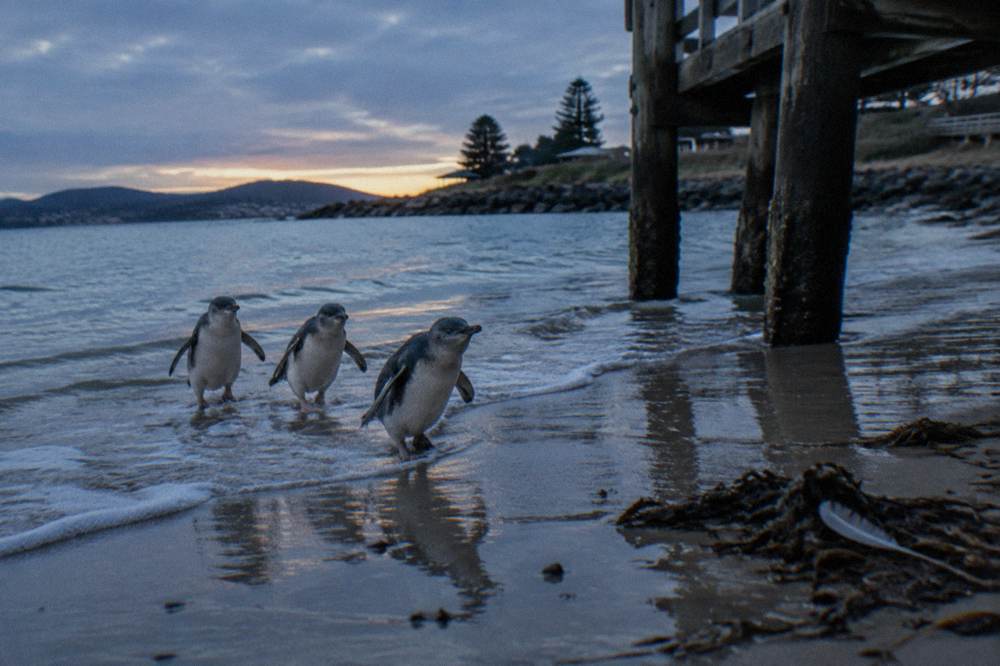
Yes, penguins live in Tasmania year-round. The species is the little penguin, the smallest penguin in the world at about 40 cm and 1 kg, and the majority of the Australian population breeds in Tasmania. Past state estimates put the Tasmanian population at 110,000 to 190,000 breeding pairs, with most of those on offshore islands and under 5 percent on mainland Tasmania.
That last figure surprises people. Tasmania is often imagined as one continuous penguin coast, but the birds concentrate on small, predator-free islands scattered around the state's shoreline. The mainland colonies that visitors can actually reach, places like Bicheno on the east coast, Low Head near George Town, Lillico Beach near Devonport, Burnie and Stanley on the north-west, and the Neck on Bruny Island, are the accessible fringe of a much larger island population. The state's nature agency, the Department of Natural Resources and Environment Tasmania, maintains the reference pages on the species and describes Tasmania as home to the majority of the Australian population. Its About Little Penguins page is the primary source for the population framing above.
Little penguins are not a seasonal visitor here. They live in Tasmania all year: breeding through spring and summer, moulting ashore in late summer and autumn, and coming back to their burrows every night of the year after a day fishing at sea. A bird you watch at a rookery in July is the same resident you could have watched in January. What changes through the year is behaviour and numbers, not presence, which is why the honest answer to "do penguins live in Tasmania" is simply yes, permanently, and in the hundreds of thousands of breeding pairs.
For visitors, the practical question is where a resident colony can actually be seen, because the bulk of the population is out of reach on offshore islands. Two guided options cover the accessible mainland rookeries: a beach walk at a private rookery near Bicheno, and a small-group tour at Low Head with a Launceston transfer.
Where Do Little Penguins Live In Tasmania?
Little penguins breed along most of Tasmania's coastline, but the big numbers sit on offshore islands: past estimates of 110,000 to 190,000 breeding pairs put most of the population on islands, with under 5 percent on mainland Tasmania. The places visitors can reach include Bicheno, Low Head, Lillico Beach, Burnie, Stanley and the Bruny Island Neck.
The distinction matters for trip planning. The islands that hold most of the birds, generally small and free of dogs, cats and other ground predators, are not tour destinations. What the mainland offers instead is a string of accessible rookeries and viewing platforms, each with its own setup. The Parks and Wildlife Service seabirds and shorebirds page names the recognised viewing spots: the Neck Conservation Area viewing platform on Bruny Island, the Lillico Beach Conservation Area viewing platform, Low Head Lighthouse, the Burnie penguin viewing platform, and The Nut State Reserve at Stanley.
Each site works differently. Bicheno's rookery is private land visited on a guided walk. Low Head's coastal reserve is toured nightly just after sunset. Lillico and Burnie are free, volunteer-supported viewing platforms with guides in season. Stanley's Godfreys Beach has a public platform with red lighting. The Neck on Bruny Island is a Parks-managed platform reached by a short detour off the island's main road. The table below sets out the differences.
| Site | Region | What it is | Access in practice |
|---|---|---|---|
| Bicheno private rookery | East Coast | Guided walk of about 500 m over about 50 minutes at dusk | Booked tour, from $53 per person on the listing |
| Low Head Coastal Reserve | North Coast, near George Town | Nightly guided tour of about 1 hour just after sunset | Booked tour, from $83 per person with Launceston transfer |
| Lillico Beach platform | Near Devonport | Free viewing platform, volunteer guides in season | Free, generally September to April, donations welcome |
| Burnie Observation Centre | North-West Coast | Free guided viewing at the boardwalk, 30 minutes before dusk | Free, 1 October to 31 March, no booking |
| Godfreys Beach platform | Stanley, North-West | Public viewing platform with red lighting | Free, self-guided at dusk |
| Bruny Island Neck platform | South-East | Parks-managed viewing platform at the Neck Conservation Area | Self-guided at dusk; check the Parks and Wildlife Service before going |
One naming trap worth flagging: the township of Penguin, on Tasmania's north-west coast, is named for the bird and sits on a coast where penguins do come ashore, but it is not a tour hub. Viewing around Penguin is self-guided at local beaches at dusk, roughly November to March, and no organised tours currently run there. The town is worth a stop for its giant penguin statue and beach, not for a guided colony visit.
For the two booked experiences, the choice is mostly geographic. The Bicheno tour suits travellers on the east coast, especially anyone driving the Great Eastern Drive towards Freycinet. The Low Head tour suits anyone based in or near Launceston, since the listing includes central pickup and about 3 hours door to door with roughly an hour of guided viewing.
When Do Penguins Come Ashore In Tasmania?
Little penguins come ashore at dusk, most of them in small groups within an hour or so of darkness, and they do it every night of the year. The busiest viewing is September to January, the breeding season; February to April is the moulting window, when adults stay ashore for two to three weeks replacing all their feathers. If Burnie is on your itinerary, the month-by-month timing guide for the Burnie penguin viewing tells you when to arrive at the Observation Centre.
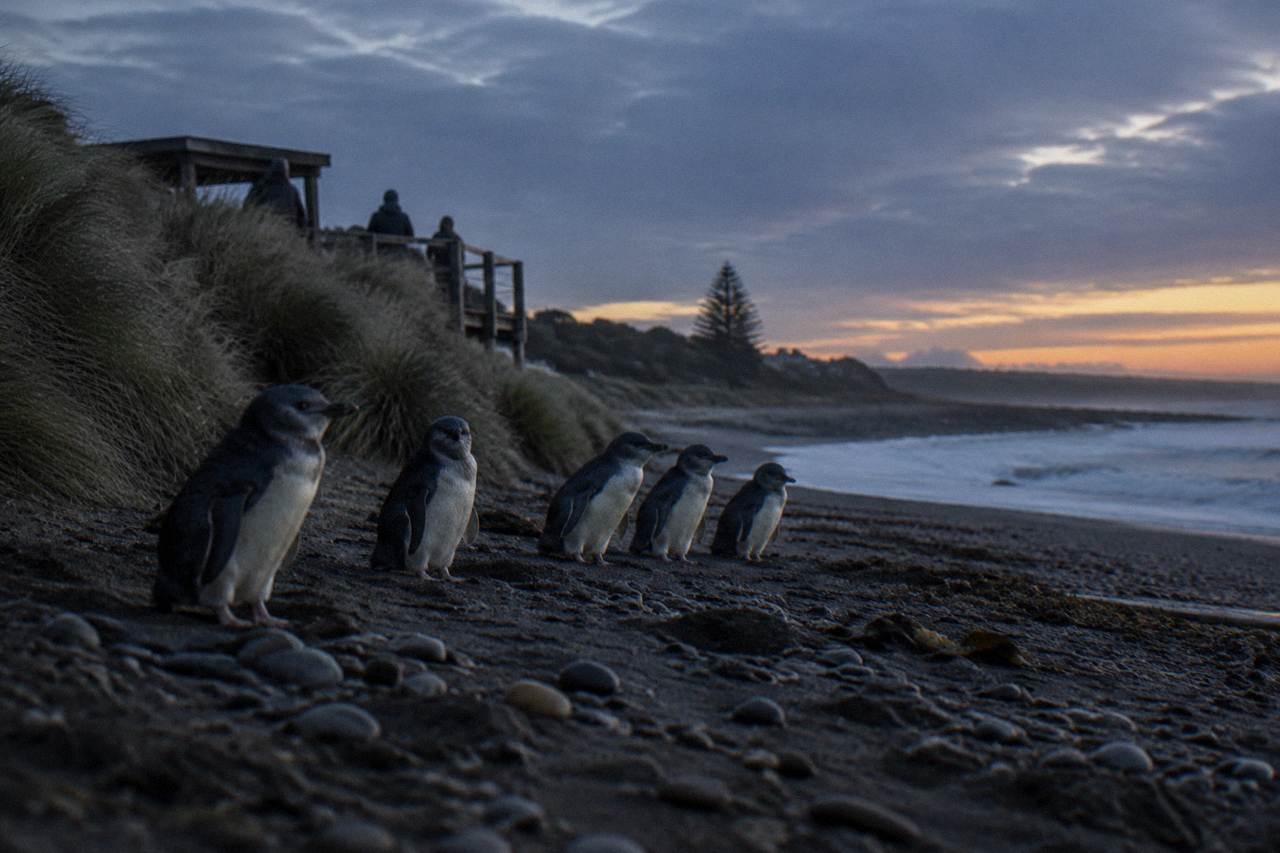
The dusk return is the event every penguin tour is built around. Birds spend the day fishing at sea, then raft up in groups near shore and dash up the beach together once the light drops, which spreads the arrival across the first hour of real darkness. Exact timing shifts with the season: a summer tour may not start until after 8:30 pm, while a midwinter tour can begin before 6 pm. Sunset in Tasmania runs from roughly 6:20 pm in early October to peaks near 8:50 pm in late December and early January, so tour start times move with it. Operators confirm the exact departure when you book.
The calendar shapes what you see. September to January is the breeding season, when the Bicheno operator describes activity at its peak: birds returning to feed chicks, lots of coming and going, and the loudest nights of the year. February to April is moulting season, when adults are anchored ashore and visible but stationary, sometimes standing at burrow entrances for days while their feathers replace. Winter, June to August, is quieter at some rookeries, but the birds are still there every night, and smaller crowds can make for a more relaxed watch. There is no month when the answer to "do penguins live in Tasmania" flips to no. If May falls in your travel window, our guide to penguin watching in Tasmania's quietest month explains which tours still run and how the birds behave.
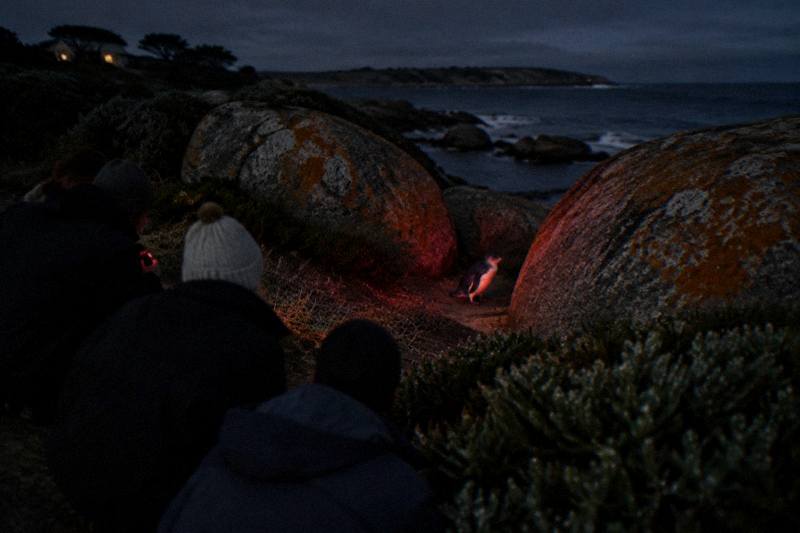
A few viewing rules follow directly from the biology. Penguins come ashore at last light because darkness protects them from predators, so any bright light pushes them back out to sea, and disturbed birds stay at sea longer, which delays feeding of chicks. That is why flash photography is banned at every viewing site in the state, why torches must be dim red-light only or left at home where guides supply them, and why the NRE Tasmania penguin watching guidelines ask viewers to wear dark clothing, settle before last light, keep at least 3 m from burrows and never bring dogs or cats, even leashed. The same guidelines note that joining a guided tour is the ideal way to watch.
Are Fairy Penguins And Little Penguins The Same Bird?
Yes: "fairy penguin" and "little penguin" are two common names for the same species, the smallest penguin in the world. The formal name used by Tasmania's wildlife agency is little penguin; adults weigh about 1 kg, stand about 40 cm tall, and live about six years on average.
The name shift is a real one, not a pedantic correction. "Fairy penguin" was the traditional Australian name and still turns up in older books, signage and conversation, while "little penguin" is now the standard usage in official material, and it is the name used on the Phillip Island Nature Parks pages in Victoria as well as by NRE Tasmania. If a Tasmanian tour or sign says little penguin and a guidebook at home says fairy penguin, they are describing the same bird, at roughly 40 cm and 1 kg the smallest penguin species on the planet.
The species is native to southern Australia and New Zealand, and its Australian stronghold is Tasmania. The state-level picture from NRE Tasmania's reference material: past estimates of 110,000 to 190,000 breeding pairs, the majority of the Australian population, with most Tasmanian birds on offshore islands and under 5 percent of the state's population on mainland Tasmania. Burrows are tunnels of 60 to 80 cm dug into soil or tucked under vegetation, and a pair may raise a clutch of two eggs, with incubation shared in shifts of up to a week and chicks fledging at about eight weeks.
A separate question people often bundle in here: is Phillip Island in Tasmania? No. The famous Penguin Parade is at Summerlands on Phillip Island, in Victoria, roughly 90 to 120 minutes from Melbourne. It is the same species of penguin, and its official pages describe about 40,000 little penguins on the Summerland Peninsula, but it is a different state, a ticketed grandstand event, and a much longer trip if your base is Tasmania. Travellers actually in Tasmania are watching wild birds at burrow colonies, usually in groups of a dozen or so, not from grandstands.
Where Can You Actually See Penguins In Tasmania?
The realistic options are a guided walk at Bicheno, a guided tour at Low Head, and free viewing platforms at Lillico, Burnie, Stanley and the Bruny Island Neck, all at dusk. Bicheno runs nightly year-round except Christmas Day and New Year's Eve, from $53 per person; Low Head runs nightly after sunset, from $83 per person with a Launceston transfer.
Starting with the two booked tours, since they solve the two hardest problems, finding the birds and finding them legally and safely at night. The Bicheno tour, which this site features, meets at the operator's shop at 1/70 Burgess Street in Bicheno, takes a short bus ride to a private rookery, then walks about 500 m over about 50 minutes with a guide. It runs nightly all year except Christmas Day and New Year's Eve, departs between 5:00 pm and 7:30 pm in the February to August season and between 7:30 pm and 9:30 pm from September to January, and rates 4.8 from 26 reviews, from $53 per person, with free cancellation and a note on the listing that it often sells out. Photography is permitted without flash, and enclosed shoes are required. There are no accommodation pickups, so you meet at the shop.
The Low Head tour covers the north. It runs every night just after sunset at the Low Head Coastal Reserve near George Town, with about an hour of guided viewing, small groups capped at 10 guests on the listing, red lights supplied by guides and no personal torches, selfie sticks or tripods. The listing, from $83 per person with central Launceston pickup and about 3 hours door to door, rates 5.0 from 22 reviews and carries free cancellation. The operator's own direct page also lists a $50 adult ticket at the site without the Launceston transfer, a useful figure if you have your own car, though the two prices are different products rather than competing listings. One practical note from the Parks alerts page: the Low Head Pilot Station cafe, accommodation and toilets have been closed since 22 April 2026 pending a new lessee, while the tours and grounds stay open, so plan accordingly for facilities.
The free options cost nothing but demand more from the viewer. Lillico Beach, ten minutes west of Devonport, has a volunteer-run platform generally in use September to April, with guides holding red torches in season; no visitor torches or flash, donations welcome. Burnie's Observation Centre runs free guided viewing nightly from 1 October to 31 March, with guides present 30 minutes before dusk and no booking needed. Stanley's Godfreys Beach platform is free and self-guided, with red lighting and wheelchair-accessible design. The Bruny Island Neck platform is named by the Parks and Wildlife Service as a recognised viewing spot; the platform's hours, fees and access details are not published on a current official page, so check the service before going, and note the ferry from Kettering runs on a queueing system with a 20-minute crossing.
Choosing between all of these comes back to where you are sleeping that night. Penguins at dusk means a dusk drive back, so the honest advice is to pick the site nearest your accommodation rather than the site with the best reputation. The viewing-site comparison on the homepage of Tasmania Penguin Tours breaks this down by region, and the east coast pairing of Bicheno with a Freycinet stay is the most common combination among visitors.
Is Penguin Watching In Tasmania Affected By Bird Flu?
H5 bird flu has been detected in Tasmanian wild birds, including little penguins on King Island, with 46 positive events reported since 19 June 2026, but no penguin viewing site or tour restrictions have been announced. The standard advice is to avoid contact with sick or dead birds and report them on 1800 675 888.
This is worth stating plainly because the answer is genuinely reassuring rather than alarming. Biosecurity Tasmania's surveillance data shows detections across wild bird species at coastal sites, and little penguins are among them, but the tours at Bicheno and Low Head continue to run nightly, and the free platforms at Lillico, Burnie and Stanley continue to operate in season. No viewing-site closure tied to bird flu has been found on any official Tasmanian page. The practical rules for visitors are unchanged: watch from the designated areas, never touch a penguin, and if you see a bird behaving oddly or dead, note the location and call the Emergency Animal Disease Hotline rather than handling it.
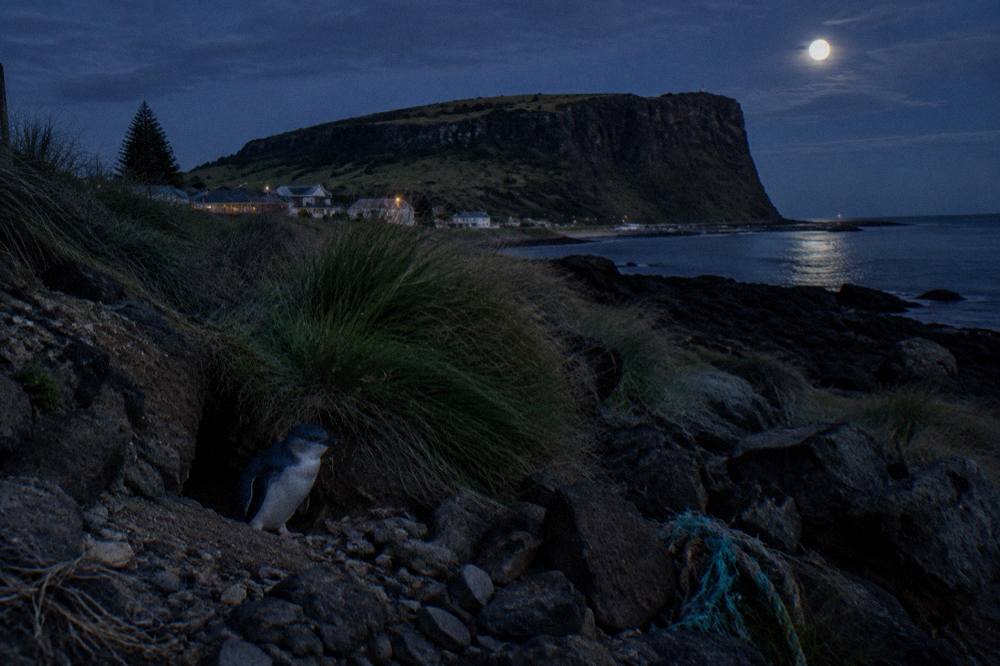
The wider conservation picture is the one that actually explains why Tasmania's penguins live where they do. Dogs and feral cats can kill many birds in a single night, roadkill takes birds crossing coastal roads at dusk, and housing development eats burrow habitat. The Bicheno rookery's own history is the clearest example: the operator tells how the colony fell to about 40 birds in the early 1990s after dog attacks, then recovered through land restoration work on the site. That recovery is why the rookery is private land visited only with a guide, and why every viewing site in the state bans dogs outright, even leashed ones. Little penguins are protected wildlife in Tasmania, and catching or harassing one is illegal.
Common Questions About Penguins In Tasmania
Do Penguins Live In Tasmania?
Yes, permanently. Little penguins breed along the Tasmanian coastline and on its offshore islands year-round, and the majority of the Australian population lives in Tasmania. Past state estimates put the Tasmanian population at 110,000 to 190,000 breeding pairs, mostly on offshore islands, with under 5 percent on mainland Tasmania.
What kind of penguins live in Tasmania?
One species: the little penguin, also traditionally called the fairy penguin. It is the smallest penguin in the world, about 40 cm tall and about 1 kg as an adult, with an average lifespan of about six years.
When can you see penguins in Tasmania?
At dusk, every night of the year, when the birds return from the sea in small groups within an hour or so of darkness. September to January is the breeding season with the most activity; February to April is the moulting window; winter is quieter but the birds still come ashore nightly.
Where is the best place to see penguins in Tasmania?
For a guided experience, Bicheno on the east coast and Low Head near George Town on the north coast. For free viewing, the platforms at Lillico Beach, Burnie, Stanley's Godfreys Beach and the Bruny Island Neck. Choose the site closest to where you are staying, since viewing ends after dark.
Can you see penguins in Tasmania without a tour?
Yes. Lillico, Burnie, Stanley and the Bruny Island Neck all have free public viewing, with volunteer guides in season at Lillico and Burnie. Follow the official guidelines: no flash, dim red light only, quiet, dark clothing, at least 3 m from burrows, and no dogs.
Are fairy penguins and little penguins the same?
Yes, they are two common names for the same species. Little penguin is the name used in current official Tasmanian material; fairy penguin is the older Australian name still used in everyday speech.
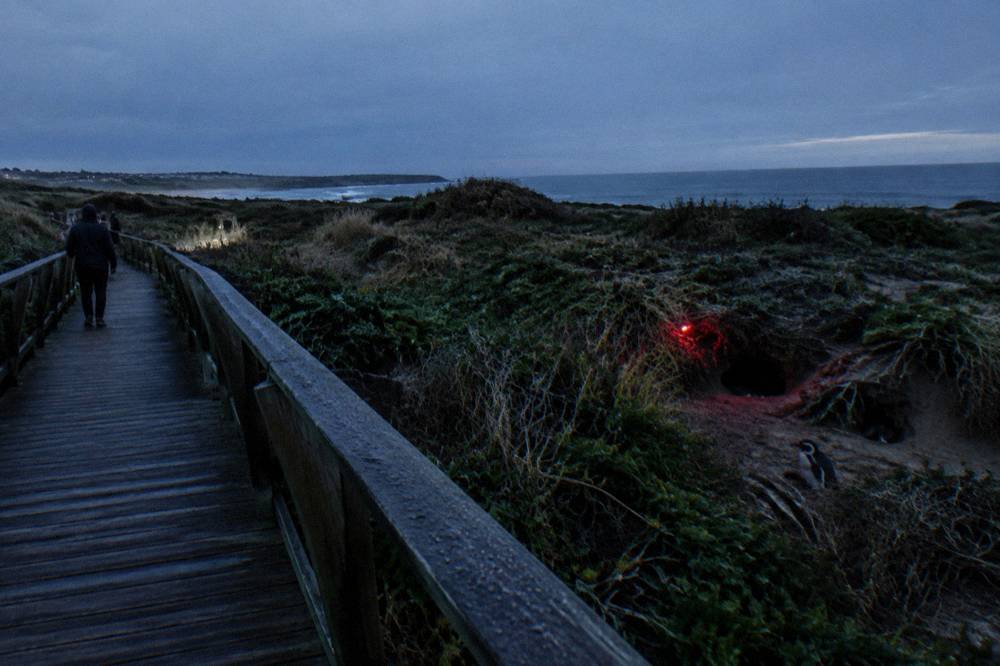
Whether you join a guided walk or stand quietly at a free platform, the birds you are watching are permanent Tasmanian residents, and the same ones will be back tomorrow night. If an evening at a rookery fits your itinerary, the Bicheno penguin tour guide covers the east coast option in detail, and the Low Head penguin tours guide does the same for the north.