Lillico Beach Penguins: The Free Devonport Viewing Platform Explained
Lillico Beach is one of the few places in Tasmania where you can watch little penguins come ashore for free, with volunteer guides holding red torches beside you. Here is how the platform works, when to go and what the rules are.
Short answer
Lillico Beach Conservation Area sits about ten minutes west of Devonport on the Bass Highway. The viewing platform is generally used September to April, with 2 to 3 volunteer guides on site nightly in season holding red torches. Entry is free, donations are welcome, visitor torches and flash photography are not allowed, and the paid upgrade is the Low Head tour from $83 with Launceston transfer.
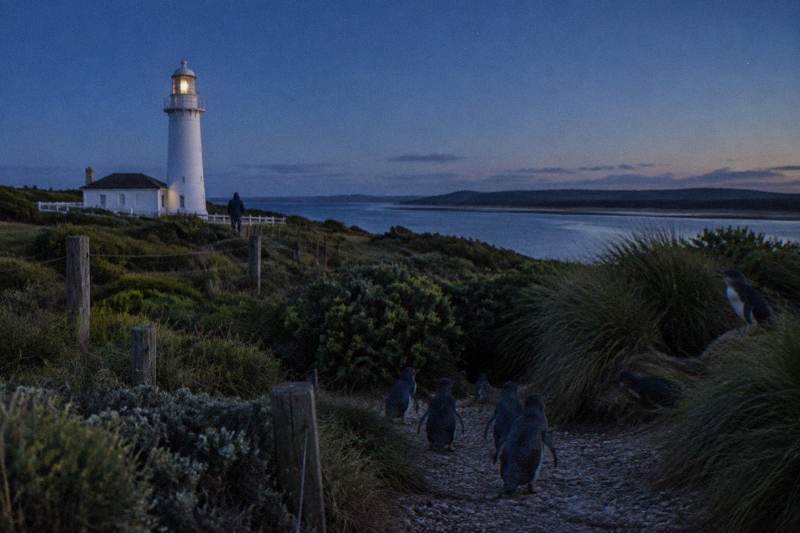
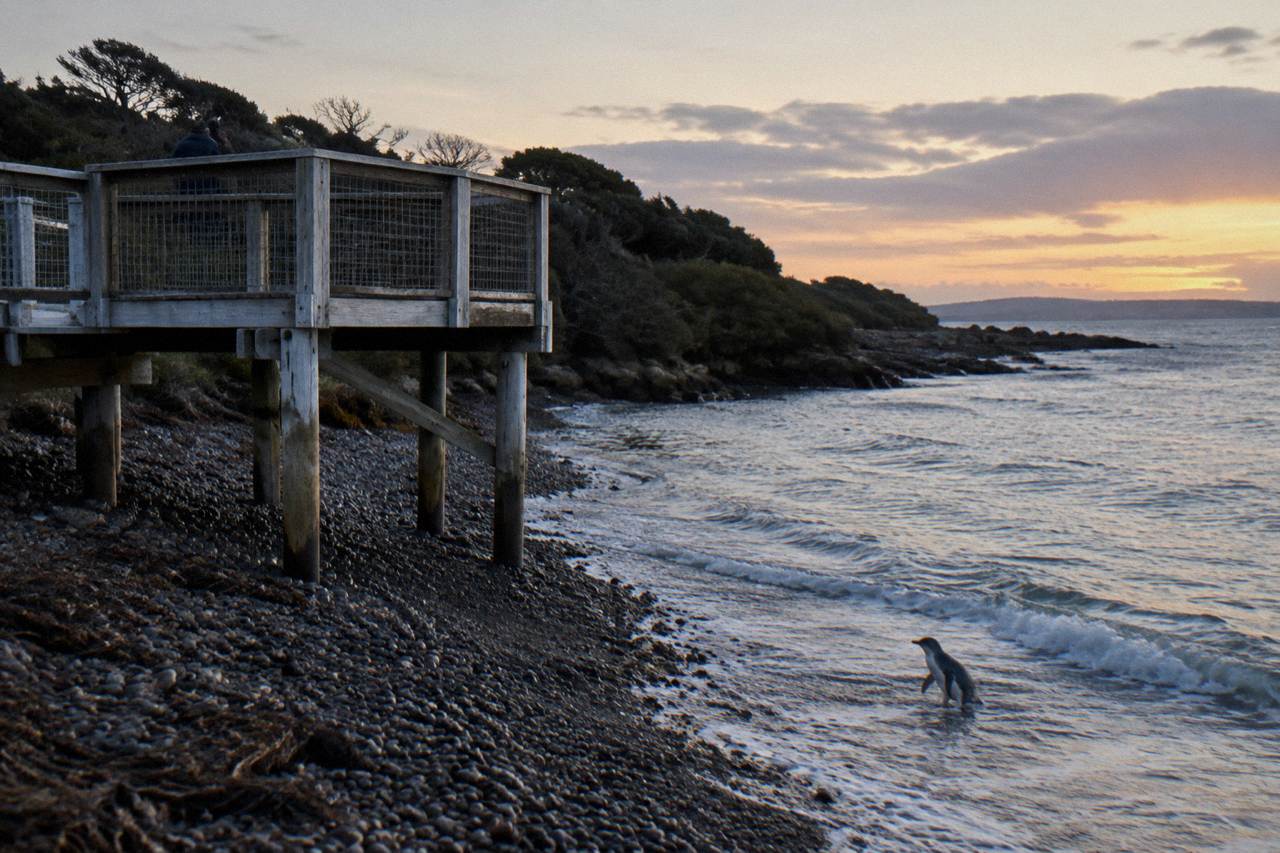
Lillico Beach is the quiet achiever of Tasmanian penguin watching. Ten minutes west of Devonport, on a narrow strip of coastal reserve squeezed between the Bass Highway and Bass Strait, a simple timber platform overlooks a pebble beach where little penguins haul out of the surf most nights of the warmer half of the year. No ticket, no booking, no gate. Just a short walk from the highway shoulder and a small band of volunteers who show up night after night with red-filtered torches to keep the birds calm and the visitors informed.
That volunteer model is what makes Tasmania Penguin Tours list Lillico alongside its paid products rather than pretend it does not exist. A free night on a conservation reserve with trained guides is a genuinely good penguin experience, and for a lot of travellers it is the right one. This guide explains how the platform works, when the penguins actually arrive, the rules the volunteers will ask you to follow, and where a paid tour such as the Low Head penguin tour with Launceston transfer earns its money instead.
What Is The Lillico Beach Penguin Viewing Platform?
The Lillico Beach viewing platform is a free, volunteer-run penguin watching spot in the Lillico Strait Conservation Area, roughly ten minutes west of Devonport on the Bass Highway coast. It is generally used from September to April, with 2 to 3 volunteer guides on the platform nightly in season, holding red torches and answering questions. There is no entry fee, no booking and no visitor infrastructure beyond the platform itself. For the full lowdown on seeing penguins near Devonport, including how the free platform works and what the paid tour adds, see our guide to penguin watching at Lillico Beach near Devonport.
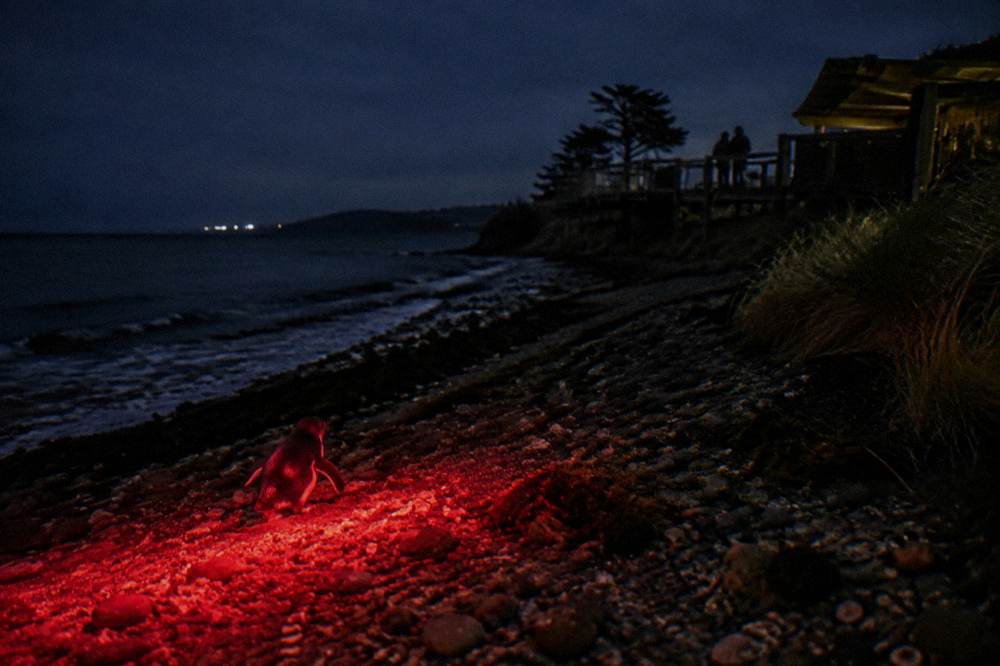
The platform sits in the Lillico Strait Conservation Area, a strip of coastal reserve managed for its shorebird and penguin habitat. Devonport City Council's own page on Lillico Beach describes it as a volunteer-run experience operated with the Friends of Lillico Penguins under the Wildcare umbrella, free of charge with donations accepted. The volunteers are the whole show: they arrive before dusk, position themselves along the viewing area, and carry the only torches permitted, red-filtered ones that do not distress the birds.
What you are watching is the nightly return of little penguins, the smallest penguin species in the world, standing about 40 cm tall and weighing around 1 kg. After a day fishing at sea, most birds come ashore in small groups within an hour or so of darkness, and they cross the pebble beach to burrows in the vegetation behind it. On a good night in the peak of the season the beach can feel almost busy with them; on a quiet night you may wait a long time for a handful of birds. No current published count exists for the Lillico colony, so treat any number a blog or brochure hands you with suspicion.
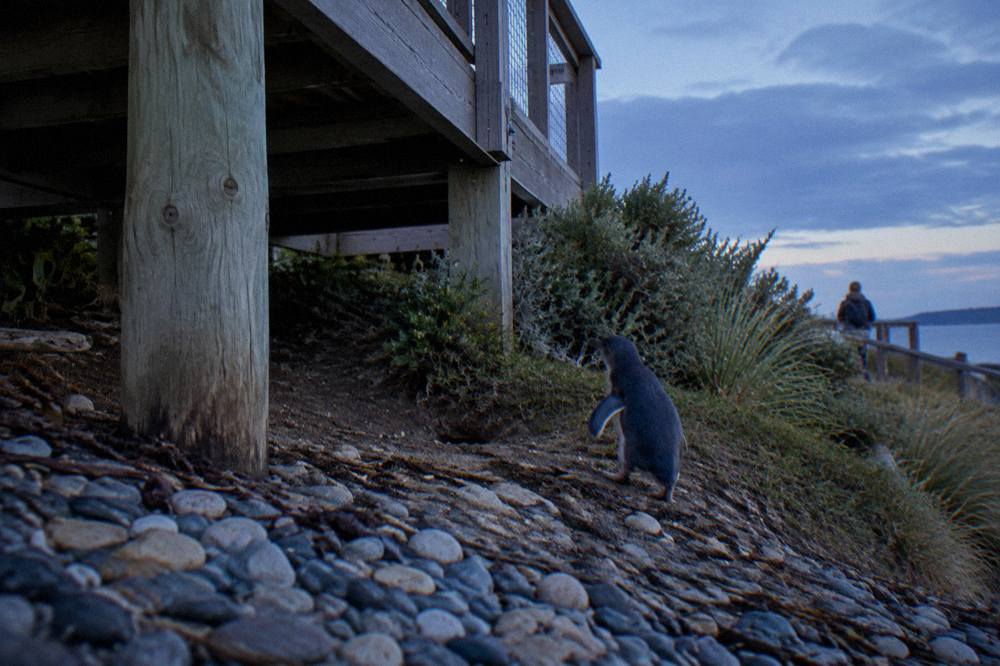
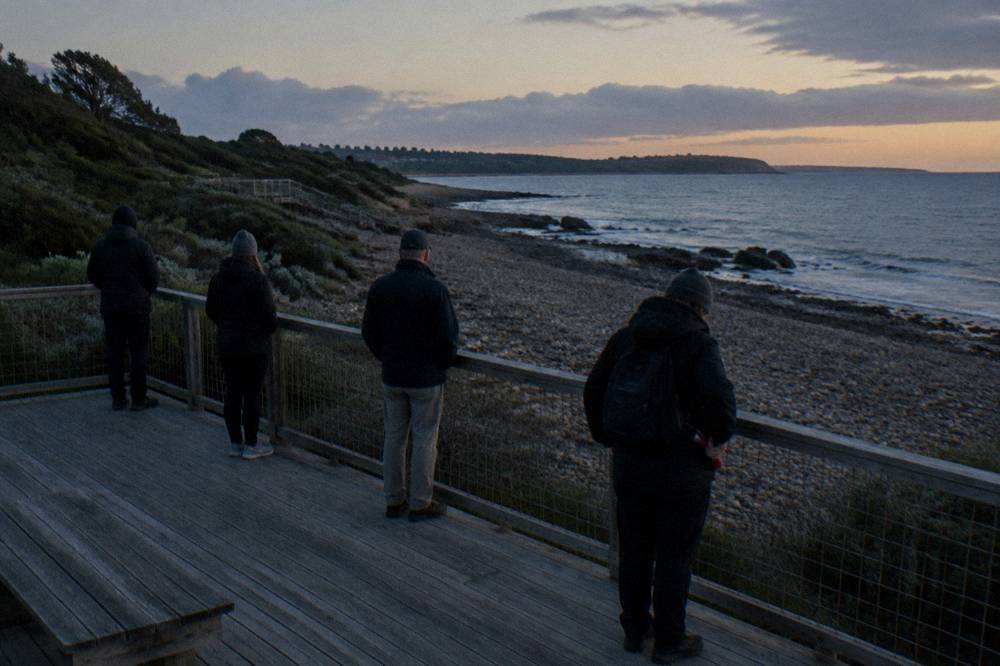
The experience is deliberately low-friction. You park on the highway side, walk a short distance to the platform, and settle in before last light. The guides will tell you where to stand, what to listen for, and when the first rafts of penguins are likely to appear. Because it is free and unstaffed outside the guiding season, it rewards visitors who arrive prepared: warm layers, dark clothing, patience and a genuine willingness to follow the rules.
When Can You See Penguins At Lillico Beach?
The platform is generally used from September to April, which lines up with the little penguin breeding season and the months volunteer guides are on site. The strongest viewing tends to fall in the warmer months, when more birds come ashore nightly, while winter brings quieter nights and no guiding. Penguins come ashore at dusk every night of the year, so the birds do not disappear outside the season, but the volunteers and the easy viewing largely do.
September to January is the breeding season, and that is when penguin activity peaks at most Tasmanian rookeries: more birds, more trips ashore, more noise and more movement on the beach. February to April is the moulting window, when adults stay ashore for two to three weeks replacing all their feathers, so you can still see birds, but they are stationary, scruffy and fasting rather than parading in from the surf. Winter, roughly May to August, is the quiet period, with fewer birds ashore and no volunteer presence on the Lillico platform.
The exact start of each guiding season shifts a little from year to year, and the Friends of Lillico Penguins announce it through their own channels. Devonport City Council and regional tourism pages keep the general September to April framing, and that is the safest basis for planning. If your trip falls in the shoulder weeks of early September or late April, check the council's Lillico Beach page or the volunteer group's social posts before counting on guides being present.
| Period | What happens at Lillico | What to expect |
|---|---|---|
| September to November | Breeding season begins, guides return to the platform | Building activity, dusk returns, cool evenings |
| December to January | Peak breeding and peak visitor season | Most nightly activity, latest sunsets, book Devonport accommodation early |
| February to April | Moulting window, guides still in season | Birds visible but often stationary, numbers tapering |
| May to August | Off season, no volunteer guiding | Quiet nights, possible sightings but no support |
Timing within the evening matters as much as timing within the year. Penguins leave the water at last light, and disturbed birds stay at sea longer, which stresses them and delays feeding of chicks. That is the reason every guideline asks you to arrive and settle before dark rather than stumble onto the beach mid-arrival. Sunset in northern Tasmania runs from roughly 6:20 pm in early October to near 8:50 pm at the December peak, so your start time shifts by more than two hours across the season. Check a sunset table for your exact date and aim to be on the platform well before it.
If you are planning a whole trip around penguin timing, our broader guide to the best months for penguins in Tasmania breaks the season down across every major site, including the paid options.
What Does A Night At The Lillico Platform Actually Look Like?
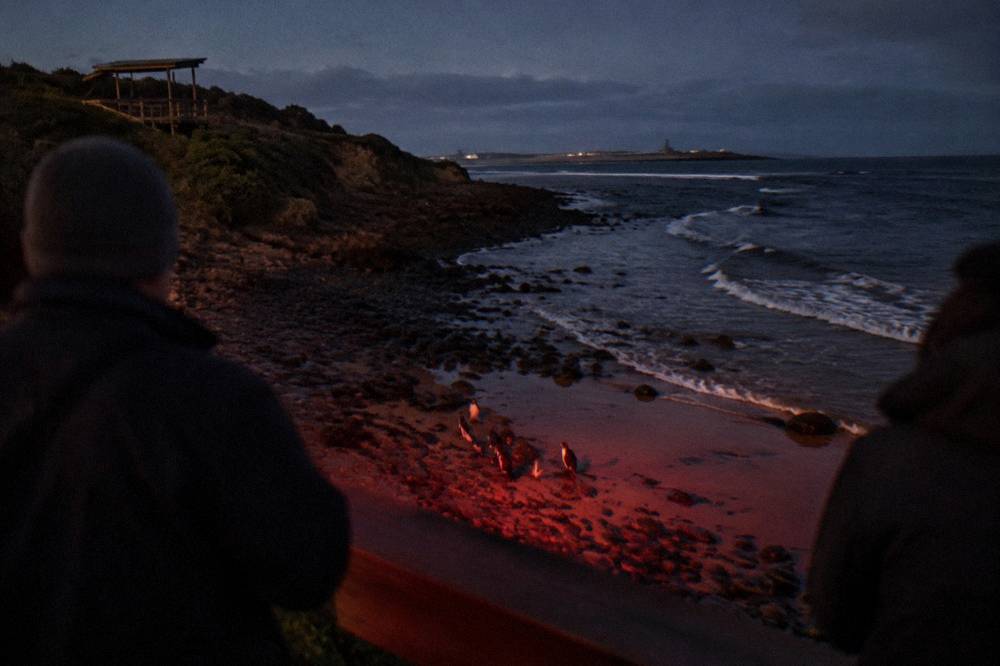
A typical night runs about an hour to 90 minutes from settling in to the main arrival. Arrive before last light in dark clothing, walk to the platform, meet the 2 to 3 volunteer guides, and wait quietly as the sky fades. The first penguins usually appear within an hour or so of darkness in small groups, crossing the pebbles to their burrows. Torches stay with the guides, and the night ends when the flow of birds slows.
The rhythm of the evening is slower and quieter than most people expect. Little penguins are cautious coming ashore, and the first birds often loiter in the shallows for a long time, waiting for confidence in numbers. The guides are good at reading this: they will point out birds gathering beyond the break, and they know the routes the penguins take up the beach. Listening is half the experience. Little penguins are vocal birds, and their braying calls from the dune vegetation behind the platform often start before you see anything on the water.
Photography at Lillico is effectively a no-go after dark. The rules prohibit flash outright, and visitor torches are not permitted at all, with the guides holding the only red-filtered lights. A phone camera without flash will capture almost nothing in the conditions, which is arguably the point: the platform is built around watching, not shooting. Travellers who want penguin photographs should read our separate guide to photography rules at Tasmanian penguin sites, which explains what is allowed where and why the restrictions are so strict.
Practical comfort matters more than gear. Devonport evenings on the coast are cool even in summer, and the wind off Bass Strait can cut through a light jacket. Enclosed shoes, a warm layer and something to sit or lean on for an hour of standing are the essentials. There is no kiosk, no lighting beyond the guides' torches and no shelter, so whatever you need for the hour, you carry in.
For visitors who want the same dusk arrival with more structure, the Low Head penguin tour runs every night just after sunset with a guide, supplied red lights and about an hour of viewing at the Low Head Coastal Reserve near George Town. Check availability on the live listing if a supported, small-group night suits you better than the volunteer platform.
What Are The Rules For Watching Penguins At Lillico?
The core rules are: no flash photography, no visitor torches (guides hold red-filtered lights), wear dark clothing, stay quiet and still on the platform, keep at least 3 m from burrows, approach from land on existing tracks, and never bring dogs or cats, even leashed. Penguins are protected wildlife in Tasmania, and catching or harassing them is illegal. Sick or dead birds should be reported, not touched.
These rules come from the state's official penguin watching guidelines published by the Tasmanian natural resources department, and they apply at every viewing site in Tasmania, not just Lillico. The reasoning is straightforward. Little penguins come ashore at last light precisely because darkness protects them from predators; a white torch beam or a camera flash reads as a threat, and a disturbed bird will turn around and spend longer at sea, burning energy it needs and delaying meals for its chicks. Red-filtered light sits outside the most sensitive part of their vision, which is why the guides carry red torches and visitors carry none.
| Rule at Lillico | Why it exists |
|---|---|
| No flash photography, ever | A flash reads as a predator threat and can send birds back to sea |
| No visitor torches; guides hold red lights | Red-filtered light is outside the penguins' most sensitive range |
| Dark clothing and quiet voices | Penguins watch for silhouettes and listen for unusual sound |
| Stay on the platform and existing tracks | Burrows tunnel 60 to 80 cm into the dune vegetation and collapse easily |
| Keep at least 3 m from burrows, never block them | Birds must reach their burrows freely to feed chicks |
| No dogs or cats under any circumstances | Dogs, even leashed, are a documented killer of penguin colonies |
| Report sick or dead birds, do not touch | Wildlife authorities track disease through public reports |
The dog rule deserves its own sentence. The Bicheno rookery on Tasmania's east coast fell to roughly 40 birds in the early 1990s after dog attacks, and only recovered through years of land restoration work. That history is why every operator and every guideline in the state is uncompromising about pets near colonies, and why leaving the dog at home or in the car well away from the reserve is not negotiable.
One current health note: H5 bird flu has been detected in Tasmanian wild birds, with little penguins among the positive detections on King Island. No viewing-site restrictions have been put in place at any penguin location, including Lillico. If you see a sick or dead bird on the beach, do not approach or touch it; report it to the Emergency Animal Disease Hotline on 1800 675 888 and let the volunteers know.
How Much Does It Cost To See Penguins At Lillico Beach?
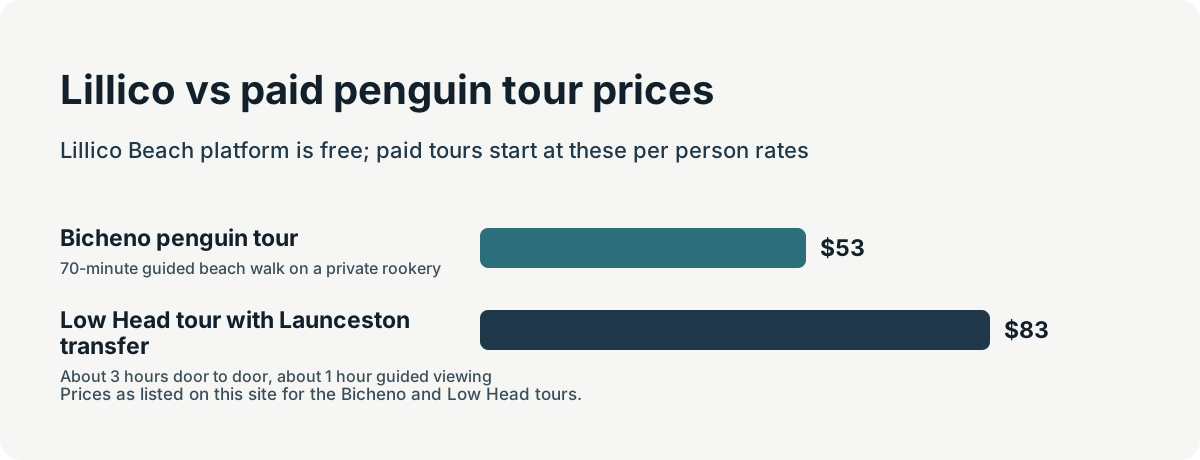
Nothing. The Lillico viewing platform is free, run by volunteers, with donations welcome and no booking system. That makes it one of the cheapest genuine penguin experiences in Australia. The only costs are getting there: fuel or a bus fare to Devonport, and your time. For comparison, the two paid tours on this site run from $53 per person at Bicheno and from $83 per person at Low Head with a Launceston transfer included.
Free does not mean costless to run. The Friends of Lillico Penguins and the Wildcare program maintain the platform, run the guiding rosters and fund the red torches, and the donation box on site is the direct way that work continues. If a guide spends an hour telling you where to stand and when to look, a note in the box is the fair response.
| Experience | Price | What is included |
|---|---|---|
| Lillico Beach platform | Free, donations welcome | Volunteer guides in season, red torches, viewing platform |
| Bicheno penguin tour (listing) | From $53 per person | 70-minute guided beach walk on a private rookery, guide commentary |
| Low Head tour with Launceston transfer | From $83 per person | About 3 hours door to door, central pickup, about 1 hour guided viewing, maximum 10 guests |
The paid options are not competing with Lillico on price; they are competing on structure. The Bicheno listing, rated 4.8 from 26 reviews, is a 70-minute guided walk over a private rookery that meets at the operator's shop on Burgess Street, and the listing is flagged as often selling out. The Low Head listing, rated 5.0 from 22 reviews, adds a central Launceston pickup and return transfer to about an hour of guided viewing at Low Head, capped at 10 guests. Both carry free cancellation. A full breakdown of prices across every site, including the free ones, sits in our guide to penguin tour costs in Tasmania.
There is also a middle path worth naming: self-guided free viewing. Our roundup of free penguin viewing spots in Tasmania covers Lillico, Burnie, Stanley and the Penguin township, all of which cost nothing and differ mainly in how much volunteer support and how much walking is involved.
Lillico Beach Or A Paid Tour: Which Suits You?
Lillico suits travellers already near Devonport who are happy to self-manage a free evening and support volunteers. A paid tour suits anyone who wants a guaranteed guide, a set start time, transport or a private rookery. Families and visitors without a car usually do better on the Low Head tour with its Launceston transfer, while independent drivers can treat Lillico as the best free night on the north-west coast.
The honest comparison is about certainty, not quality. The volunteers at Lillico know the beach and the birds as well as any paid guide, and the viewing itself can match a tour night for night. What a paid listing adds is a structure you can plan around: a confirmed departure, a meeting point, a guide whose job it is to run the evening, and in the Low Head case, a door-to-door transfer from central Launceston that removes the need to drive at dusk on Tasmanian roads, when wildlife is active.
| Factor | Lillico platform (free) | Low Head tour with transfer | Bicheno tour |
|---|---|---|---|
| Price | Free, donations welcome | From $83 per person | From $53 per person |
| Guide | 2 to 3 volunteers in season | Professional guide, max 10 guests | Professional guide |
| Transport | Self-drive to the platform | Central Launceston pickup and return | Meets at operator's shop in Bicheno |
| Duration | Your own pace, about an hour of viewing | About 3 hours door to door | 70 minutes |
| Rating | Not applicable | 5.0 from 22 reviews | 4.8 from 26 reviews |
| Booking | None | Recommended, free cancellation | Recommended, often sells out |
Season is the other deciding factor. If your trip falls between May and August, the Lillico platform has no volunteer guides and far fewer birds ashore, while both paid tours run year-round, every night. A winter traveller relying on Lillico alone may be disappointed; a winter traveller on either tour will still see birds, just fewer of them.
Getting To Lillico Beach From Devonport
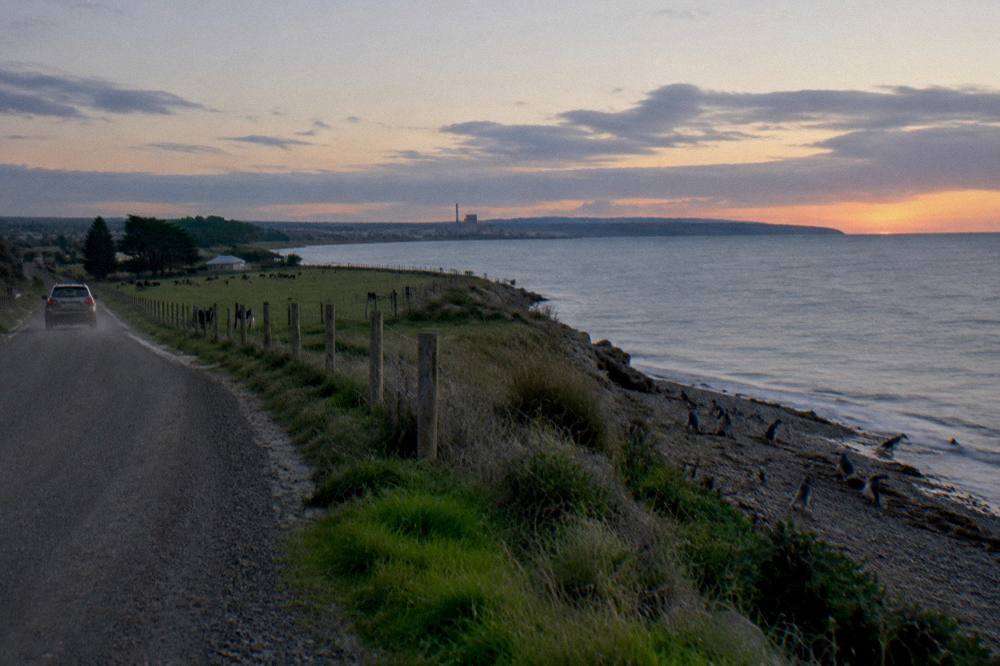
Lillico Beach lies about ten minutes west of Devonport along the Bass Highway, with the viewing platform signposted from the coast side of the road. Access is by car or taxi; there is no dedicated public transport to the platform. Visitors arriving in Devonport on the overnight ferry from the mainland often drive straight past it on the way into town, which makes Lillico one of the easiest first-night wildlife stops in the state.
The drive itself is simple: head west out of Devonport on the Bass Highway (the A1) and the Lillico Strait Conservation Area appears within minutes, with the platform reached by a short walk from the roadside. Because the reserve sits between the highway and the beach, the main safety note is the road itself: park clear of traffic, and take care crossing to and from the viewing area in fading light.
Ferry arrivals give Lillico a particular niche. The Spirit of Tasmania sailings from Geelong arrive in Devonport in the morning, and the service is in the middle of a major transition: the new vessels begin inaugural passenger sailings on 31 October 2026, with night sailings only during the changeover, and the fuel surcharge was removed on 1 September 2026. A morning arrival in Devonport leaves a whole day for the town before a dusk session on the platform, and the official Spirit of Tasmania site carries the current schedule. The state's penguin watching guidelines are worth a read before any first penguin night, free or paid.
If you are touring the whole north-west coast rather than basing yourself in Devonport, the free options chain together nicely: Lillico near Devonport, the volunteer-run boardwalk at Burnie, and the Godfreys Beach platform at Stanley, all covered in our Burnie penguin viewing guide. Just remember that every stop is a dusk stop, so two sites in one evening is rarely realistic.
What Else Is There To Do Around Devonport?
Devonport itself is a working port city with a waterfront precinct, markets and a genuine food scene, and it works well as a base for the north-west coast. Around it sit the Don River Railway, the Mersey Bluff lighthouse and Aboriginal rock carvings, and the entrance to the Tarkine region further west. For penguin-focused travellers, Devonport's real advantage is position: Lillico ten minutes one way, Burnie under an hour further along the coast.
A penguin evening only occupies the last 90 minutes of daylight, which leaves a full day to fill. Devonport's council page on Lillico Beach also lists the surrounding coastal reserves, and the wider region rewards slow exploration: cheese and berry producers inland, historic towns, and long empty beaches west of the city. Our broader guide to things to do in Tasmania places the north-west in context if this is one leg of a longer route.
The practical pattern that works for most visitors is a Devonport base of two or three nights. Use the first day for the town and the bluff, the second for a drive west with a Burnie dusk stop, and slot Lillico into whichever evening has the better weather forecast. Penguin watching is an outdoor, all-weather activity, and a still night beats a windy one for both bird numbers and comfort.
What To Wear And Bring For A Lillico Evening
Wear dark, warm layers and enclosed shoes, and bring nothing that emits light. The platform has no shelter, no seating to speak of and no facilities, so dress for an hour of standing still on a windy coast after dark. Binoculars are genuinely useful and fully allowed; torches, selfie sticks and flash cameras are not. A small donation in cash or via the box on site is the one thing worth carrying that most people forget.
Dark clothing is not a style suggestion, it is part of the rules. Penguins coming ashore look for movement and silhouette against the sky, and pale jackets on a platform read as trouble. The same logic applies to phone screens: dim them or pocket them once the birds start arriving, because a bright screen at chest height does the same job as a torch beam. Enclosed shoes matter for the walk in and for the pebbles, which are uneven underfoot even on the marked route.
The state guidelines also ask viewers to settle before last light and stay settled, since standing up, shuffling and arriving late all register as disturbance. Plan to be on the platform early, claim a spot at the rail, and treat the wait as part of the night rather than dead time before it. The volunteers often fill the waiting period with the colony's story, and it is a good one.
Common Questions About Lillico Beach Penguins
When can you see penguins at Lillico Beach?
The viewing platform is generally used from September to April, when 2 to 3 volunteer guides are on site nightly. Penguins themselves come ashore at dusk year-round, but numbers are lower in winter and there is no guiding outside the season.
Is Lillico Beach penguin viewing free?
Yes. The platform is free to visit and donations are welcome, which is what funds the volunteer guiding program run by the Friends of Lillico Penguins under Wildcare.
Can you take photos of penguins at Lillico?
Not after dark in any practical sense. Flash photography is prohibited, visitor torches are not allowed, and the guides hold the only red-filtered lights. Watching, not photography, is the purpose of the platform.
How far is Lillico Beach from Devonport?
About ten minutes west of Devonport along the Bass Highway, on the coast side of the road. Access is by car or taxi; there is no dedicated public transport to the platform.
Do you need to book the Lillico platform?
No booking is needed or possible. You simply turn up before last light in season. If you want a bookable, guided alternative nearby, the Low Head tour with Launceston transfer runs nightly and takes a maximum of 10 guests.
Are dogs allowed at Lillico Beach?
No. Dogs and cats are not permitted near penguin colonies under any circumstances, including leashed. Dog attacks drove the Bicheno colony to roughly 40 birds in the early 1990s, and the statewide ban exists for that reason.