What Penguin Tours Cost In Tasmania: Paid Tours And Free Viewing Compared
Tasmania has exactly two bookable guided penguin tours, one from $53 per person on the east coast and one from $83 per person with a Launceston transfer, plus a string of free viewing platforms. This page sets out every cost, what each price buys, and where the free options sit against the paid ones.
Short answer
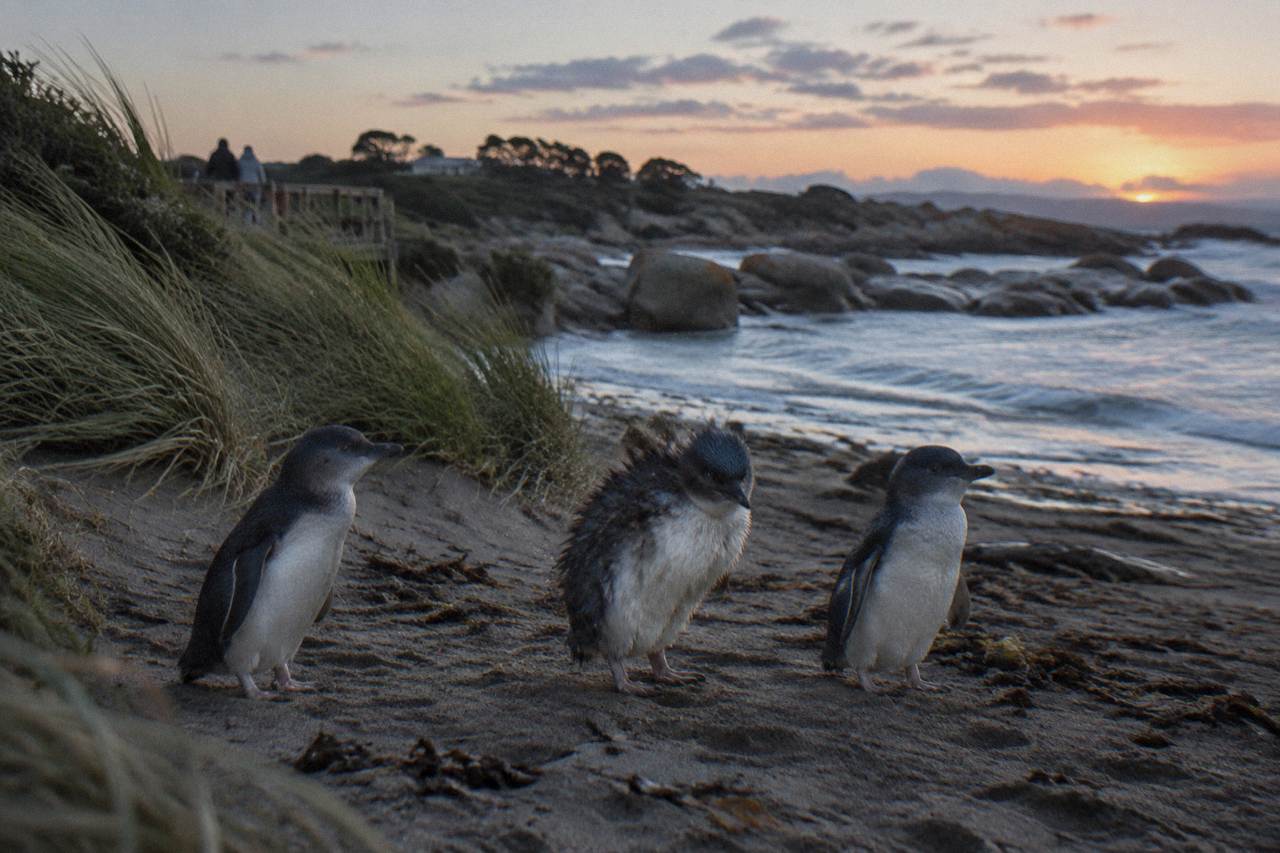
The two bookable penguin tours in Tasmania cost from $53 per person for the 70-minute Bicheno beach walk and from $83 per person for the Low Head tour with its Launceston transfer, about 3 hours door to door. Free viewing platforms at Burnie, Lillico Beach and Stanley cost nothing, with donations welcome and no guide or gear included.
Penguin viewing in Tasmania splits cleanly into two price worlds. The paid world is small: exactly two bookable guided tours operate in the state, one at Bicheno on the east coast and one at Low Head on the north coast near George Town. The free world is larger: volunteer-run platforms at Burnie and Lillico Beach, a self-guided platform at Stanley, and a handful of do-it-yourself beaches where the birds come ashore at dusk whether anyone charges you or not. If you're weighing Tasmania against Victoria's famous penguin experience, our guide comparing Phillip Island's parade with Tasmania's penguin tours covers the differences in cost and crowds.
The paid gap is real but easy to explain. The Bicheno tour runs from $53 per person and lasts about 70 minutes, meeting at the operator's shop in town. The Low Head tour runs from $83 per person and lasts about 3 hours door to door, because it bundles a central Launceston pickup and transfer with roughly an hour of guided viewing. One price buys a walk; the other buys a walk plus the drive. Everything else on this page, the free platforms, the hidden extras, the seasonal timing, follows from that split. If you want to see exactly where that money goes, the full Bicheno price breakdown covers what the ticket includes and what you might pay on top.
How Much Do Guided Penguin Tours Cost In Tasmania?
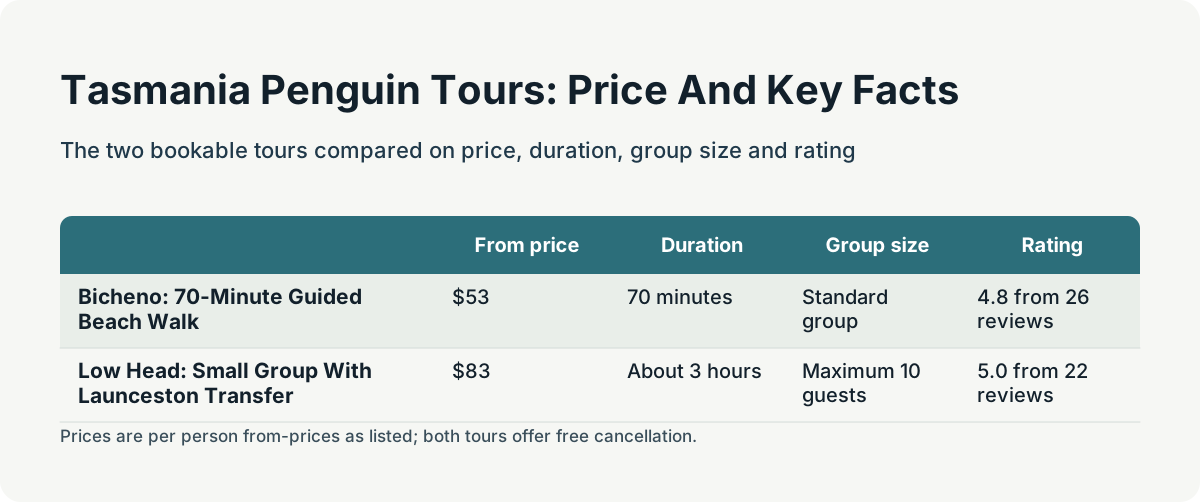
The two bookable penguin tours in Tasmania cost from $53 per person at Bicheno and from $83 per person at Low Head with the Launceston transfer included. The Bicheno tour is a 70-minute guided experience rated 4.8 from 26 reviews; the Low Head tour runs about 3 hours door to door, caps groups at 10 guests and carries a 5.0 rating from 22 reviews. Both listings offer free cancellation.
Those are the only two tour prices that exist on this site, and they are the only ones we treat as firm. The Bicheno figure is the listing's from-price for the guided beach walk, which includes a short bus ride from the shop at 1/70 Burgess Street to a private rookery and a guided walk of about 500 metres over roughly 50 minutes. The Low Head figure is the listing's from-price for the small-group tour with hotel pickup in central Launceston, the transfer north, about an hour of guided viewing at the Low Head Coastal Reserve, and the drive back.
The Low Head operator also sells the tour directly without the transfer, at $50 per adult on its own booking page. That direct price is worth knowing about, but it is not a competitor to the $83 listing: it covers the viewing only, and you would need your own car, a designated driver willing to sit in the dark, and your own way back to Launceston afterwards. The listing price buys the whole evening, door to door, with no driving on Tasmanian roads at night in wildlife-heavy dusk hours.
| Tour | From price (per person) | Duration | Group size | Rating | Cancellation |
|---|---|---|---|---|---|
| Bicheno: 70-Minute Guided Beach Walk | $53 | 70 minutes | Standard group | 4.8 from 26 reviews | Free |
| Low Head: Small Group With Launceston Transfer | $83 | About 3 hours door to door | Maximum 10 guests | 5.0 from 22 reviews | Free |
Neither price is seasonal in the way some wildlife tours are. Both operators run year-round, every night, adjusting start times to dusk. The Bicheno listing is flagged as often selling out, which is the one urgency note worth acting on: if your dates are fixed, book ahead rather than walking in on the night.
What Are You Actually Paying For On A Guided Penguin Tour?
You are paying for three things: access to a known rookery, a guide who can find the birds in the dark, and equipment you cannot easily bring yourself, mainly red-light torches. The Bicheno price buys a private rookery the operator has managed since the early 1990s; the Low Head price adds capped group sizes of 10 and the transfer. Neither price buys a sighting guarantee.
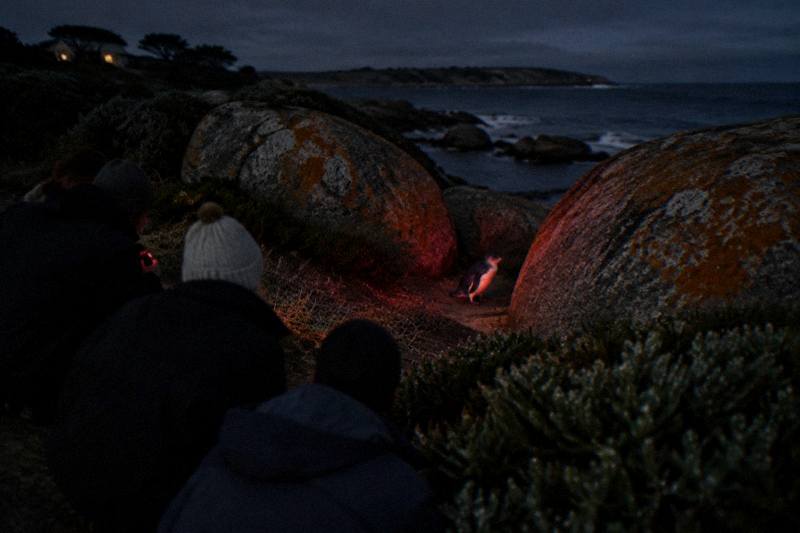
Access is the quiet half of the value. The Bicheno tour ends at a private rookery, land the operator has restored since dog attacks cut the colony to about 40 birds in the early 1990s, after which numbers recovered through habitat work. You cannot walk onto that land independently at night. At Low Head the viewing happens in a public coastal reserve, but the guide knows where the birds land and where to stand so the group does not disturb them, which matters more than it sounds: the state wildlife guidelines note that disturbed birds stay at sea longer, delaying feeding of their chicks.
Guides also carry the lighting. Bright torches and camera flash are prohibited at every rookery in Tasmania, and the state penguin watching guidelines allow only dim red-light torches, never pointed at the water or the birds. The Low Head operator supplies red and yellow low-intensity lights and bans visitor torches, selfie sticks and tripods outright. That is a genuine inclusion: a good red torch is a specialist item most travellers do not own, and a bad one can end the evening for the whole beach.
What the price does not buy is a promise. Penguins are wild birds and numbers swing with season and food supply. The Bicheno operator is candid that numbers dipped over one summer and tours continued as normal, and the Low Head operator describes higher numbers from November to February and fewer outside that window. A guide improves your odds dramatically over standing alone on a beach, but no honest listing guarantees a count.
Bicheno Or Low Head: Which Paid Tour Fits Your Budget?
Choose Bicheno at from $53 if you are already staying on the east coast and can meet the tour at its Burgess Street shop; choose Low Head at from $83 if you are based in Launceston without a car, since the transfer, the 10-guest cap and the 3-hour door-to-door format are what the extra $30 buys. The two tours serve different bases, not different quality tiers.
The geography decides more than the price does. Bicheno sits on the east coast, most naturally reached while touring Freycinet and the east coast region, and the operator runs no accommodation pickups: you meet at the shop, take the short bus ride to the rookery, and walk about 500 metres with the guide. If your trip already includes an east coast night, this is the cheaper and shorter evening, and the Bicheno penguin tour details spell out the meeting point and seasonal departure windows, which run 7:30pm to 9:30pm in the September to January season and 5:00pm to 7:30pm across the quieter February to August months.
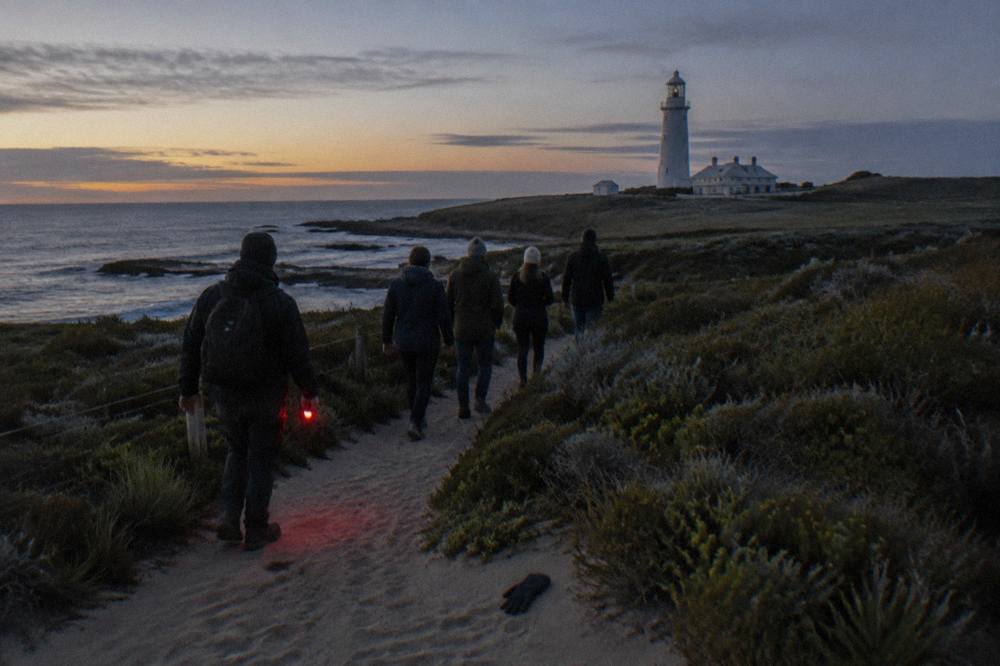
Low Head serves the north. The tour's whole design assumes you are in Launceston: central hotel pickup, the drive north towards George Town, about an hour of guided viewing near the Low Head lighthouse, and the return leg. The 10-guest cap keeps the group small enough that everyone hears the guide and the birds are not mobbed, and the listing's 5.0 rating from 22 reviews reflects a small but consistently pleased pool. For a fuller side-by-side, the Bicheno versus Low Head comparison breaks down the experience, the seasonality and the logistics of both.
One practical note on the Low Head end of the evening: the Pilot Station cafe, accommodation and toilets at the site have been closed since 22 April 2026 while a new lessee is found, though the tours and grounds remain open. Plan for the facilities you would expect at a cafe stop to be absent, and treat the 3-hour window as mostly outdoors.
Where Can You See Penguins In Tasmania For Free?
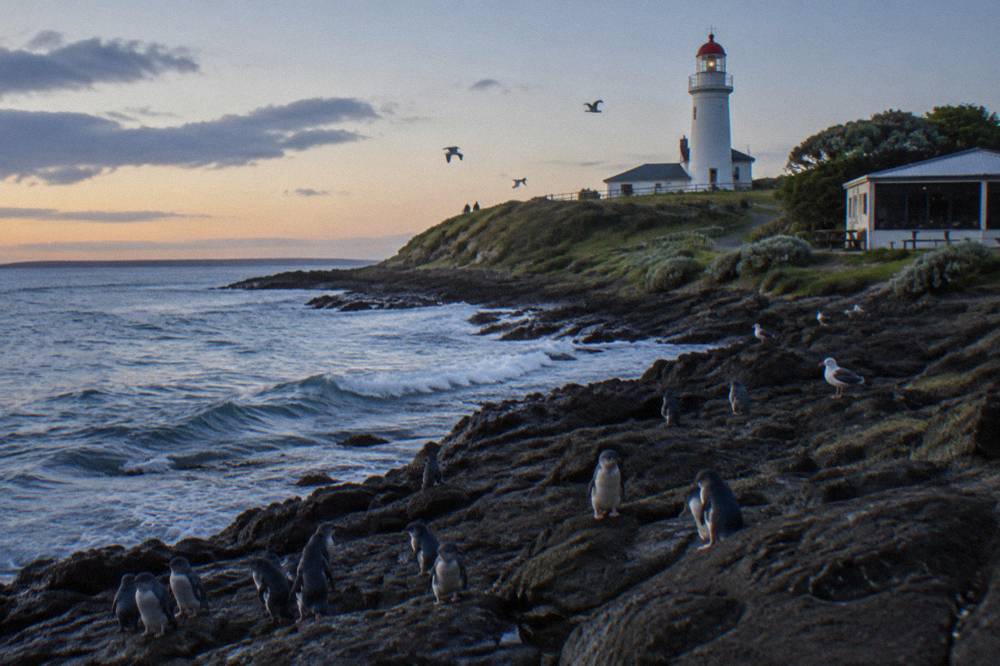
Burnie, Lillico Beach near Devonport and Stanley all offer free penguin viewing, with donations welcome at the volunteer-run sites. Burnie runs free guided viewing nightly from 1 October to 31 March; Lillico's platform operates roughly September to April with volunteer guides in season; Stanley's Godfreys Beach platform is self-guided year-round. None of the three charges an entry fee.
Burnie is the strongest free option because it is guided. The Friends of Burnie Penguins run free nightly viewing from the Observation Centre on the Parsonage Point boardwalk, with guides present from 30 minutes before dusk, no booking needed, and donations accepted. The season runs 1 October to 31 March regardless of weather, and the boardwalk is level and wheelchair accessible. You get a guide, a known site and red-light discipline enforced, which is most of what the paid tours provide, minus the rookery exclusivity and the transfer.
Lillico Beach, ten minutes west of Devonport, is the volunteer-run platform in the Lillico Strait Conservation Area. The Devonport council page describes a free experience with donations accepted, volunteer guides on hand in season, generally September to April, and the same rules: no visitor torches, no flash, guides hold the red lights. Stanley, furthest west, offers the free Godfreys Beach viewing platform near The Nut, which is pram and wheelchair accessible with red lighting installed, but no guides: you are on your own to arrive at the right hour and behave correctly. The free penguin viewing guide covers all of these sites in detail.
| Free site | Location | Guided? | Season | Cost |
|---|---|---|---|---|
| Burnie Observation Centre | Parsonage Point, West Beach | Free volunteer guides nightly | 1 October to 31 March | Free, donations welcome |
| Lillico Beach platform | Ten minutes west of Devonport | Volunteer guides in season | Generally September to April | Free, donations welcome |
| Godfreys Beach platform | Stanley, near The Nut | Self-guided | Year-round, best September to March | Free |
Timing is the hidden cost of free. All three sites depend on you arriving at dusk and staying into darkness, and the birds come ashore within roughly an hour of last light. In December that can mean waiting past 9pm; in winter the same sites see far fewer birds, and Burnie's guided season is closed entirely outside its October to March window. The best time to see penguins guide maps the breeding and moulting calendar against these sites.
What Does Free Viewing Not Include?
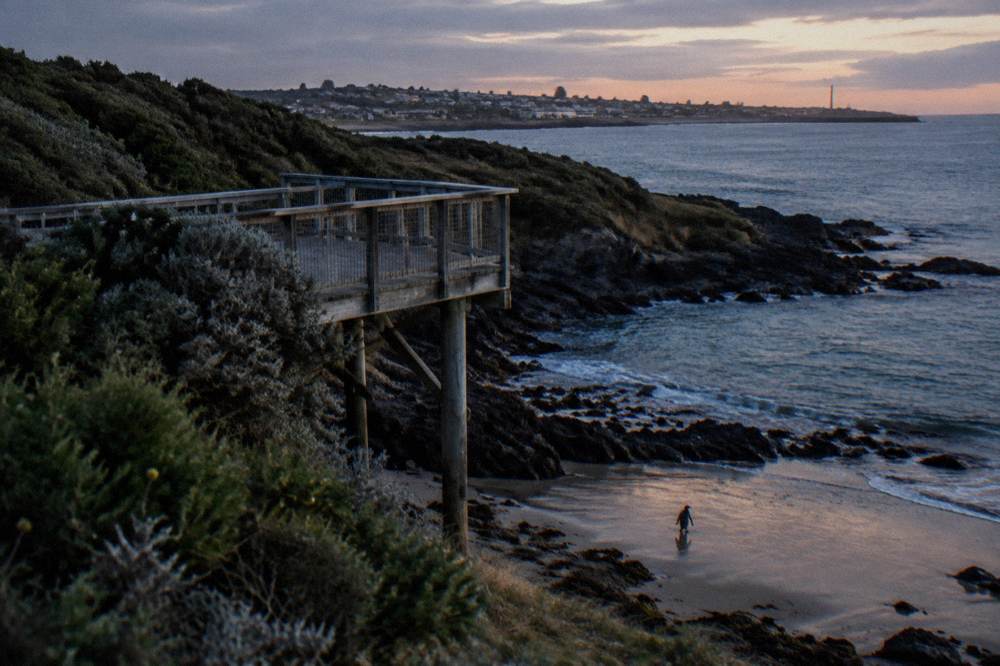
Free viewing includes no red-light torches unless a volunteer happens to be on duty, no guarantee of guidance outside guiding season, no shelter or seating, and no transport. At Burnie and Lillico in season you get guides; outside those windows, and always at Stanley, you supply your own discipline, your own red light and your own patience.
The equipment gap is the practical one. The wildlife guidelines permit only dim red-light torches, red cellophane over a standard torch is acceptable, and flash is banned on every beach. Volunteer guides at Burnie and Lillico carry proper red lights and know where to point them. At an unstaffed platform at 9:30pm in July, your preparation is the difference between a lawful, low-impact viewing and an evening that stresses the colony. The penguin photography rules guide covers exactly what is and is not allowed, and the rules are enforced by wildlife law, not courtesy: penguins are protected and harassing them is illegal.
The knowledge gap is subtler. A guide at Bicheno or Low Head reads the night: which gully the rafts will land in, when to stop talking, where the group should settle before last light. The state guidelines ask independent viewers to approach from land rather than along the beach, use existing tracks, stay at least 3 metres from burrows and settle before dark. That is a learned routine. Some travellers manage it well; plenty do not, which is why the state's own advice says to ideally join a guided tour.
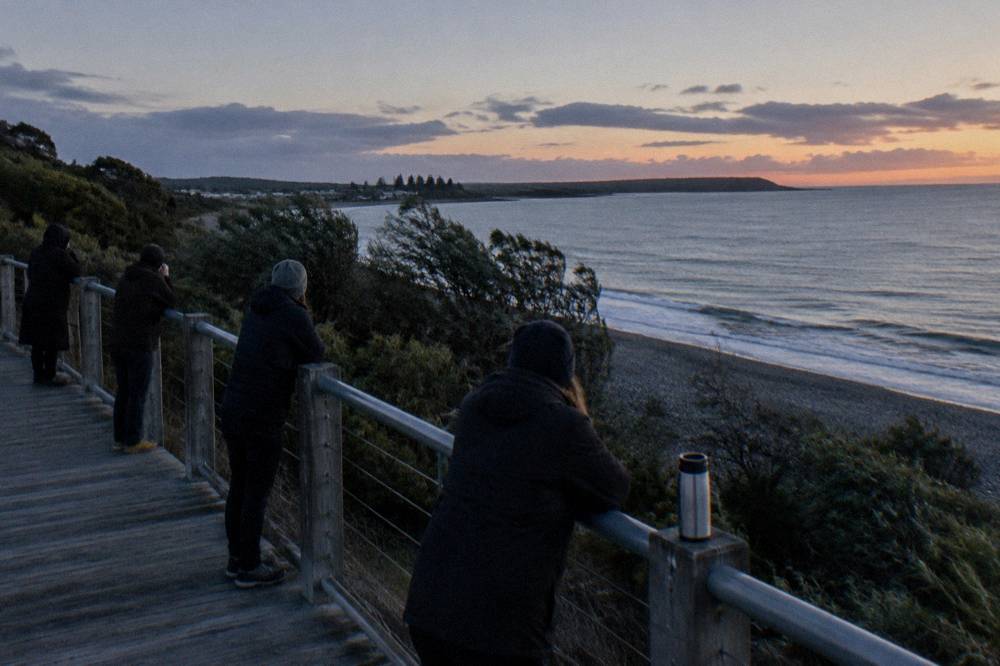
Then there is comfort. Paid tours are short, structured evenings with a known endpoint. Free viewing is open-ended: you may wait an hour past sunset for the first raft, in wind, on a boardwalk, with no toilets at some sites and no cafe at any of them after dark. Families with young children often find the $53 structured hour easier than the free indefinite wait, and that is a legitimate reason to pay.
How Do Extra Costs Add Up On A Penguin Night?
Beyond the ticket, the extras are small but real: a national parks pass is not required at any of the named penguin viewing sites, but fuel or transfer costs apply if you are not within walking distance, and warm layered clothing and enclosed shoes are effectively mandatory. A Tasmanian parks pass, at $49.15 per vehicle for a daily pass, only matters if your itinerary includes national parks.
The parks pass question comes up often because visitors assume any wildlife site needs one. The Parks and Wildlife Service pass page states the requirement plainly: a valid pass is required for entry to all of Tasmania's national parks, with a daily vehicle pass at $49.15 and a two-month holiday pass at $98.35. None of the penguin sites in this comparison is a national park. The Bicheno rookery is private operator land, Low Head is a coastal reserve, and Burnie, Lillico and Stanley sit on council or reserve land. If your trip also includes Freycinet, which most east coast itineraries do, the pass belongs in your budget for that reason, not for the penguins. If you're still sketching out your route, the five to ten day Tasmania itinerary planner shows where a dusk penguin stop fits alongside Freycinet and the other east coast must-sees.
Transport is the bigger line item. The Bicheno tour has no accommodation pickups, so you drive to Burgess Street, park for free opposite the IGA, and ride the operator's bus to the rookery. Low Head's $83 listing exists precisely to absorb that cost and the dusk-driving risk: Tasmanian roads at dusk carry real wildlife hazards, and handing the wheel to a transfer driver is a safety purchase as much as a convenience one. For clothing, the what to wear on a penguin tour guide has the full list; the short version is dark layers, enclosed shoes and no reliance on any shelter at the viewing site.
| Cost item | Bicheno tour | Low Head tour | Free platforms |
|---|---|---|---|
| Ticket | From $53 per person | From $83 per person | $0, donations welcome |
| Transport to site | Own drive to Burgess Street shop, free parking | Included in listing price | Own drive |
| Red-light equipment | Guide-supplied | Guide-supplied | Bring your own outside guiding season |
| Parks pass | Not required | Not required | Not required |
| Typical time commitment | About 70 minutes | About 3 hours door to door | Open-ended, often an hour past sunset |
Add it up and the paid tours look cheaper than their sticker prices suggest. The $83 Low Head evening replaces a night-time return drive, the $53 Bicheno hour replaces a self-guided attempt at an unknown beach, and both include the lighting and the local knowledge that free sites only sometimes provide.
Is A Paid Penguin Tour Worth The Price?
For most visitors, yes: from $53 for a structured, guided hour at a managed rookery is modest against the cost of a Tasmanian holiday, and the free alternatives demand time, gear and knowledge that many travellers do not have. The exception is a prepared traveller already near Burnie or Lillico in guiding season, for whom the free guided platforms deliver most of the paid experience at no cost.
The honest comparison is not $53 versus $0. It is $53 for a near-certain, guided, managed evening versus a free night that may involve a long drive, a cold wait and a self-enforced rulebook. The listings and the free sites differ on the same measures, access, guidance, equipment and time, and the paid tours win on three of the four for anyone without local knowledge. The free sites win on price, always, and at Burnie in season they win on guidance too.
Season tilts the math. September to January is the breeding season with the most activity at most sites, and that is when a paid tour's fixed hour is most likely to deliver. Outside it, February to April brings moulting birds that stay ashore, and winter brings quieter rookeries, so a free platform costs you less to be disappointed at. If your dates are locked to the peak window and the Bicheno tour fits your route, the Bicheno worth-it review weighs the experience itself, and you can Check availability on the operator's live listing.
One last framing from the publisher of this site, Tasmania Penguin Tours: the two paid tours are not competing products so much as two regional answers to the same question. Pick by where you are sleeping that night, and the price takes care of itself.
Whichever way you lean, the decision is low-risk to make early. Both listings carry free cancellation, the Bicheno tour is flagged as often selling out in peak season, and the free platforms never need a booking at all, so the only costly mistake on this page is arriving at the wrong hour.
Common Questions About Penguin Tour Costs In Tasmania
How much does a penguin tour cost in Tasmania?
The two bookable tours cost from $53 per person for the 70-minute Bicheno guided beach walk and from $83 per person for the Low Head tour with its Launceston transfer, about 3 hours door to door. The Low Head operator also sells the viewing-only tour directly at $50 per adult, without the transfer.
Why is the Low Head tour more expensive than Bicheno?
The gap buys the transfer. The Low Head listing includes central Launceston pickup and return, roughly an hour of guided viewing and a maximum of 10 guests, which makes it a 3-hour door-to-door evening. The Bicheno tour is a 70-minute experience you meet at the operator's shop in town.
Can you see penguins in Tasmania for free?
Yes. Burnie offers free guided viewing nightly from 1 October to 31 March, Lillico Beach near Devonport has a volunteer-run free platform generally September to April, and Stanley's Godfreys Beach platform is free and self-guided. Donations are welcome at the volunteer sites.
Do you need a Tasmanian parks pass for penguin viewing?
No. None of the named penguin viewing sites is a national park: the Bicheno rookery is private operator land, Low Head is a coastal reserve, and the free platforms sit on council or reserve land. A parks pass at $49.15 per vehicle per day only matters if your itinerary includes national parks such as Freycinet.
What is not included in a penguin tour price?
Accommodation, meals and any gear beyond the guide-supplied red lighting. The Bicheno tour has no accommodation pickups and no toilets at the rookery, and the Low Head site's cafe and toilets have been closed since April 2026 while tours continue, so plan for an outdoors evening.
Are penguin tours cheaper in winter?
No. Both listings hold their from-prices year-round, though winter departures start earlier, 5:00pm to 7:30pm at Bicheno between February and August, because dusk comes sooner. Winter is the quieter season at the rookeries, so the price holds while the activity drops.