Phillip Island Penguin Parade Vs Tasmania: Which Penguin Experience Suits You?
The Penguin Parade at Phillip Island is one of the world's most famous wildlife spectacles, but it is in Victoria, not Tasmania. Here is how it honestly compares with the smaller guided tours and free viewing platforms on this island.
Short answer
The Phillip Island Penguin Parade runs nightly at Summerlands in Victoria, about 90 to 120 minutes from Melbourne, with ticketed formats from about $87.50 to $129 per adult and no photography after sunset. Tasmania offers smaller guided tours, Bicheno from $53 and Low Head from $83 per person, plus free platforms at Lillico, Burnie and Stanley.
The Penguin Parade at Phillip Island is Australia's best-known little penguin attraction, and its name comes up in almost every conversation about seeing penguins in Australia. It sits on the Summerland Peninsula in Victoria, roughly 90 to 120 minutes' drive from Melbourne depending on traffic, and it runs every night of the year. It is not in Tasmania, and no tour on this site sells it. What Tasmania offers instead is a different scale of experience: guided walks for groups of a dozen or fewer, on beaches where the birds walk past your feet, plus a set of free volunteer-run viewing platforms along the north coast. This guide compares the two honestly, because both are genuinely good and they suit different trips.
Where Is The Phillip Island Penguin Parade And Why Do People Compare It With Tasmania?
The Penguin Parade is at Summerlands on Phillip Island, Victoria, about 90 to 120 minutes' drive from Melbourne, and it is a ticketed, timed event held every night of the year. People compare it with Tasmania because both places are home to the same species, the little penguin, and because travellers planning an Australian penguin evening routinely weigh a big staged spectacle against a small guided walk before deciding where to spend the night.
The comparison is fair but the geography trips people up constantly. Phillip Island is in Victoria, reached from Melbourne by road and bridge, and the official site gives the address as 1019 Ventnor Rd, Summerlands, Victoria. Tasmania is a separate island state, a ferry or flight away, and its penguin sites sit along its own coastline: Bicheno on the east coast, Low Head near George Town in the north, and a string of free platforms near Devonport, Burnie and Stanley in the north-west. Nothing sold on this site involves Phillip Island.
The reason the two get mentioned together is the bird. The little penguin, Eudyptula minor, is the smallest penguin species in the world, about 40 cm tall and around 1 kg as an adult, and the majority of the Australian population lives in Tasmania. The official Phillip Island pages describe their colony on the Summerland Peninsula as about 40,000 little penguins, which is the largest colony of the species. Tasmania's colonies are smaller and more scattered, and the state's past estimates run to 110,000 to 190,000 breeding pairs, with most of those on offshore islands and under 5 percent on mainland Tasmania, according to the Tasmanian environment department.
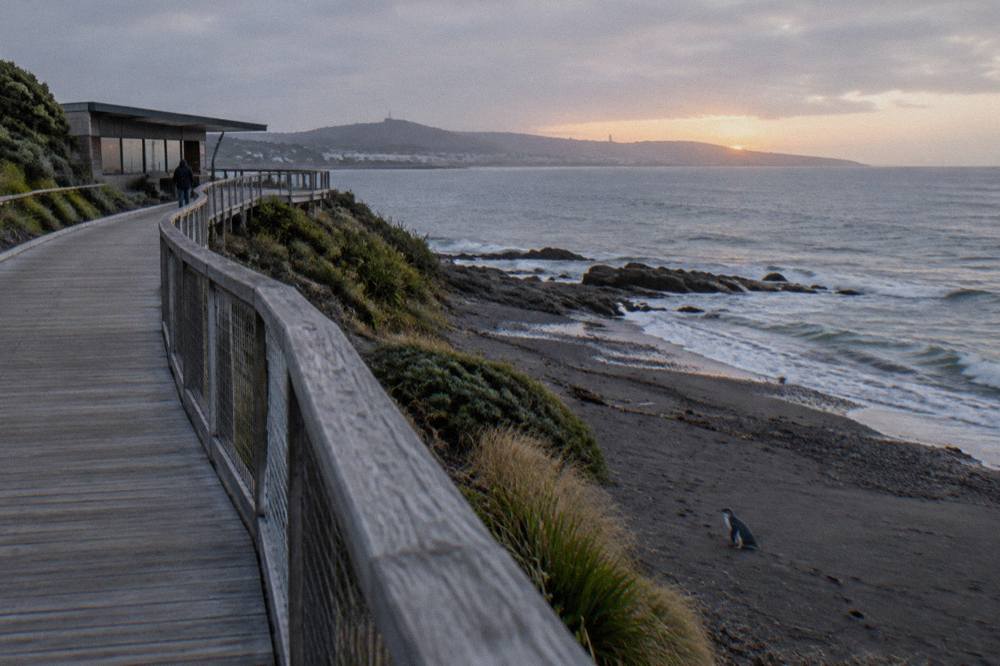
So the honest framing is this: the Parade is a large, engineered, ticketed spectacle built for thousands of nightly visitors, while Tasmania's paid tours are small guided sessions on or beside real rookeries, and its free platforms are volunteer-supported spots where you watch wild birds with almost no infrastructure beyond a boardwalk. Neither is a lesser version of the other. They are different products at different prices, and the right choice depends on where your trip already takes you.
What Species And Bird Behaviour Are You Actually Watching At Each Place?
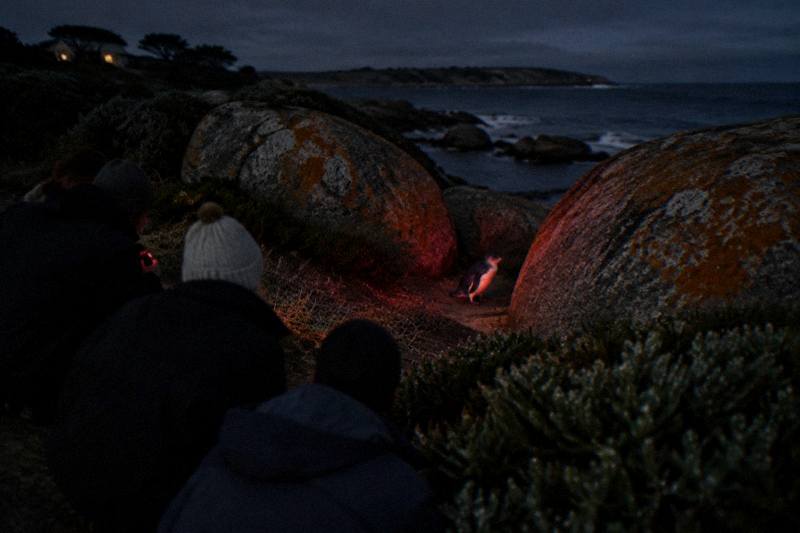
Both experiences feature the same species, the little penguin, also widely called the fairy penguin in Australia, and in both places the birds return from the sea at dusk in small groups. The Parade stages that return on a floodlit beach with tiered grandstands, while Tasmanian tours walk you to a rookery and let the birds pass close by in near darkness. The behaviour you see, adults coming home to feed chicks, is identical.
Little penguins spend their days fishing at sea and come ashore at last light, usually in small rafts of a few birds, within an hour or so of darkness. That rhythm is the same at Phillip Island, at Bicheno, at Low Head and at every free platform in between. The Tasmanian environment department notes that disturbed birds stay at sea longer, which stresses them and delays feeding of chicks, which is why every legitimate viewing site in both states builds its rules around keeping the beach dark and quiet.
The difference is presentation. At the Parade, penguins arrive at sunset every night and visitors watch from tiered grandstands and boardwalks, with premium formats including reserved beachfront areas, an underground viewing window and guided ranger options. At Bicheno, the tour is a short bus ride from the operator's shop on Burgess Street to a private rookery, then a guided walk of about 500 m over roughly 50 minutes with a guide who knows the burrows. At Low Head, the operator runs a fully guided session of up to about an hour near the lighthouse, with small groups and red lights supplied by the guides. If you want a deeper look at the bird itself, our guide on little penguins and fairy penguins covers the naming, the biology and the breeding calendar in detail.
One honest point in Tasmania's favour for wildlife watchers: the birds pass close. On a small guided walk there is no grandstand between you and the beach, and penguins routinely waddle within a few metres of visitors on their way to burrows. One point in the Parade's favour: reliability at scale. With about 40,000 birds on the peninsula per the official colony figure, and penguins arriving at sunset every night of the year, the odds of seeing a good return are about as high as wildlife viewing gets.
How Do Prices And Ticket Formats Compare Between The Parade And Tasmania?
The Parade sells ticketed, timed formats with published adult prices from about $87.50 for the Family Wildlife Tour up to $129 for the Ultimate Adventure Tour, with premium tiers such as Penguins Plus at $93 and Underground Viewing at $103, and bookings are essential year-round. Tasmania's guided tours are cheaper per adult, Bicheno from $53 and Low Head from $83 per person, and its free platforms cost nothing but a donation.
The Parade's current published adult prices, on the official attraction pages, include Penguins Plus at $93, Underground Viewing at $103, the Guided Penguin Tour at $108, the Ultimate Adventure Tour at $129 and the Family Wildlife Tour at $87.50, with reduced child rates and free entry for under 4s in some cases. General Viewing pricing is not separately itemised in current listings, and the operator notes prices can change, so treat these as the official page's figures rather than a promise. Every format is ticketed and timed, and the site recommends arriving 30 to 60 minutes or more before sunset depending on the ticket.
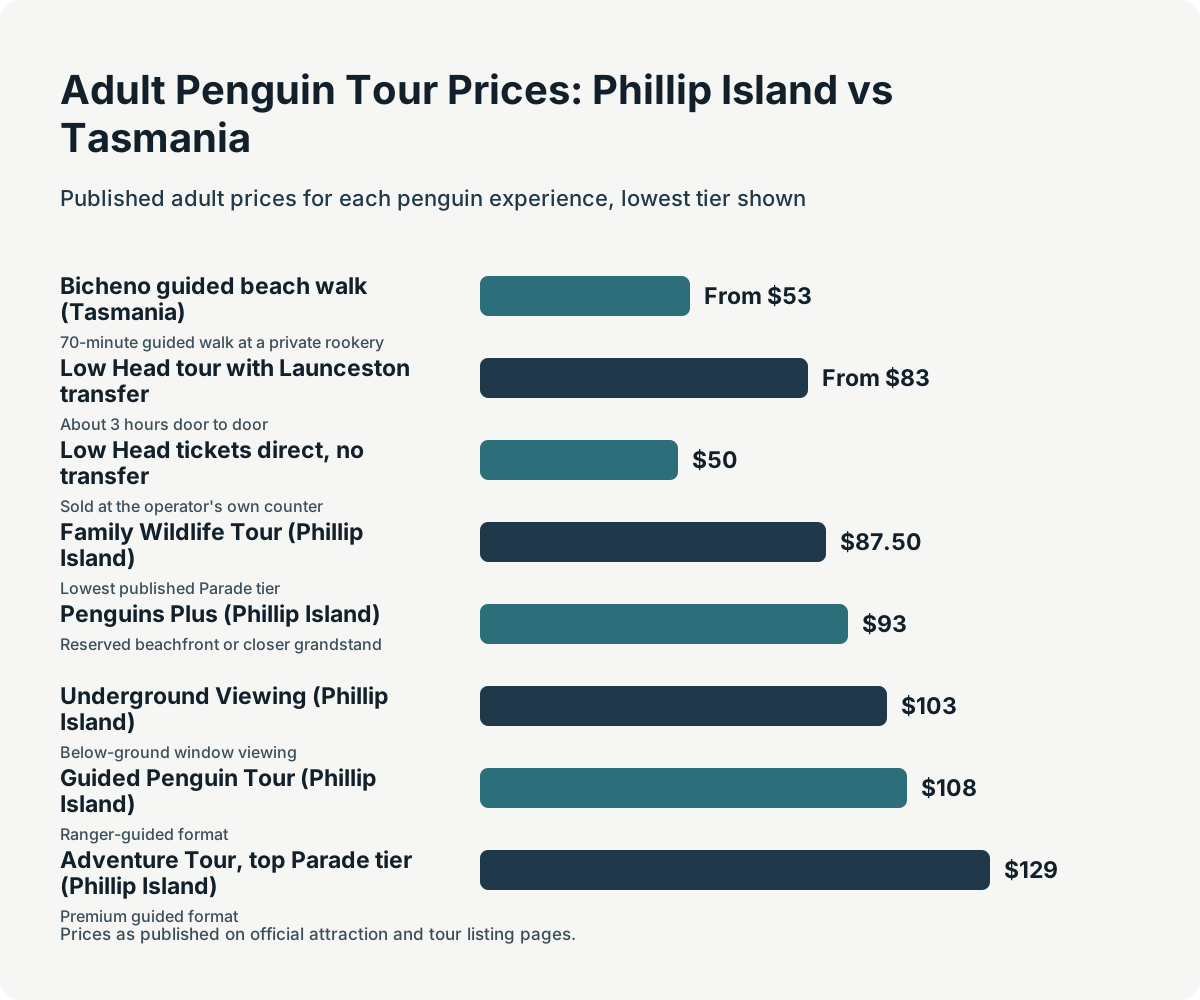
Tasmania's two bookable guided tours sit below all of those numbers. The Bicheno tour, a 70-minute guided beach walk, is from $53 per person and rated 4.8 from 26 reviews, and it often sells out, so book early, which is worth knowing before you build an evening around it. The Low Head tour from Launceston is from $83 per person, runs about 3 hours door to door including central Launceston pickup and roughly an hour of guided viewing, caps groups at 10 guests, and carries a 5.0 rating from 22 reviews. Both listings offer free cancellation.
| Experience | State | Adult price | Format | Group size |
|---|---|---|---|---|
| Penguin Parade General Viewing | Victoria | Not itemised in current listings | Timed grandstand viewing | Very large |
| Penguins Plus | Victoria | $93 | Reserved beachfront or closer grandstand | Large |
| Underground Viewing | Victoria | $103 | Below-ground window viewing | Limited |
| Guided Penguin Tour | Victoria | $108 | Ranger-guided format | Small group |
| Ultimate Adventure Tour | Victoria | $129 | Premium guided format | Very small |
| Bicheno guided beach walk | Tasmania | From $53 | 70-minute guided walk at a private rookery | Small |
| Low Head tour with Launceston transfer | Tasmania | From $83 | About 3 hours door to door, about 1 hour viewing | Maximum 10 guests |
For completeness, the Low Head operator also sells tickets direct at its own counter for $50 per adult without the Launceston transfer, so the $83 listing price on this site reflects the transfer being bundled in. Our penguin tour cost guide for Tasmania breaks down every price on the island, including the free options, if you want the full budget picture.
The Parade is not a rip-off by any measure. You are paying for infrastructure, rangers, boardwalks, conservation funding and a near-guaranteed spectacle on a scale nothing in Tasmania matches. But if your question is simply where an evening of penguin watching costs less per person, Tasmania wins on price every time, and the free platforms win harder still.
How Do The Photography Rules Differ At The Parade And In Tasmania?
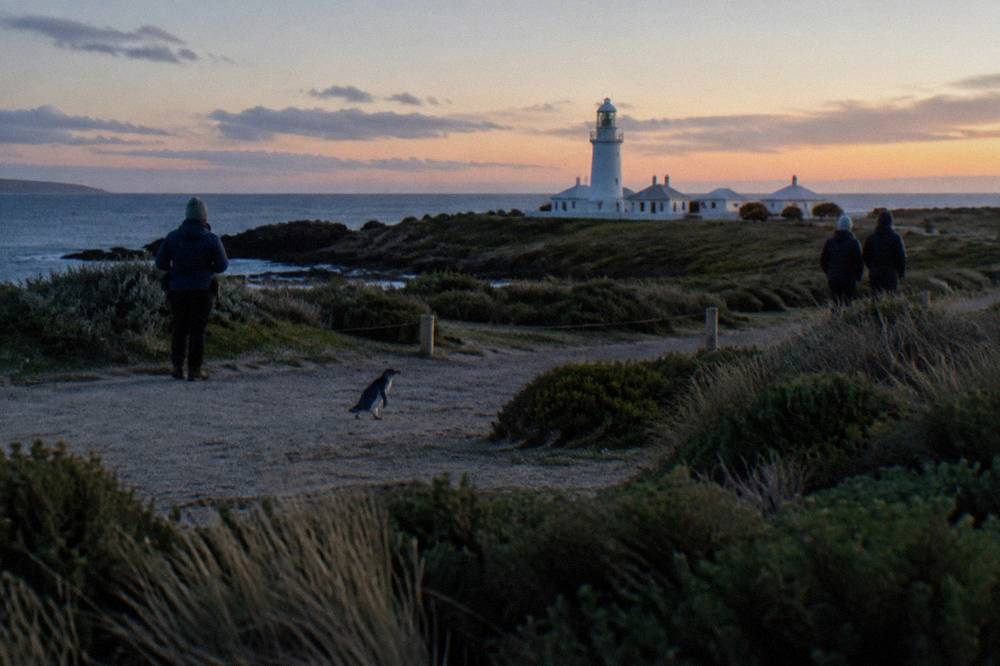
The Parade bans all photography and filming after sunset to protect the penguins' sensitive eyes from flashes and bright screens, and that ban is strictly enforced across the viewing areas. Tasmania's guided tours permit photography without flash, and Bicheno explicitly allows non-flash photos on its walk, while free platforms such as Lillico and Burnie allow no visitor torches or flash at all, with red-light rules set by the site or the volunteer guides.
This is one of the sharpest practical differences between the two experiences, and it surprises people who assumed the Parade, being the bigger commercial event, would be the more permissive one. It is the opposite. The official Phillip Island guidance is that cameras and camcorders are not permitted after sunset, full stop, because the birds' eyes are adapted for night vision and any bright light can disrupt their return. Before sunset, in non-parade areas, photography is not banned outright, but the parade itself is a camera-free event after dark.
Tasmania's rules are set per site, and the paid tours are the most permissive. Bicheno's operator states photography is permitted without flash on the tour, and the Low Head operator allows photos but prohibits flash, selfie sticks and tripods, with guides supplying red or yellow low-intensity lighting. The state-wide guidelines from the Tasmanian environment department, which every site works from, say flash cameras should never be used on the beach, dim red-light torches only, never pointed at the water or directly at penguins, and video without spotlights is fine. Our full Tasmanian penguin photography rules guide covers what you can and cannot shoot, and why.
| Site | Flash | Photography after dark | Torches |
|---|---|---|---|
| Phillip Island Parade | Prohibited | No photography or filming after sunset | Not applicable to visitors |
| Bicheno guided tour | No flash | Permitted without flash | Guide-managed, red light only |
| Low Head guided tour | No flash | Permitted, no selfie sticks or tripods | Red or yellow lights supplied by guides |
| Lillico Beach platform | No flash | Viewing only, no visitor torches | Volunteer guides hold red torches |
| Burnie Observation Centre | No flash | Viewing only | Red cellophane recommended on any torch |
The honest read: if getting a photo of a wild penguin at dusk matters to you, a Tasmanian guided tour is the only one of these experiences where that is genuinely possible, and even then it is hard, dark, and limited to non-flash work at distance. If you would rather watch with your eyes and buy a postcard, the Parade's blanket rule stops being a frustration and becomes part of the event's calm.
What Does A Tasmanian Guided Penguin Tour Actually Look Like Instead?
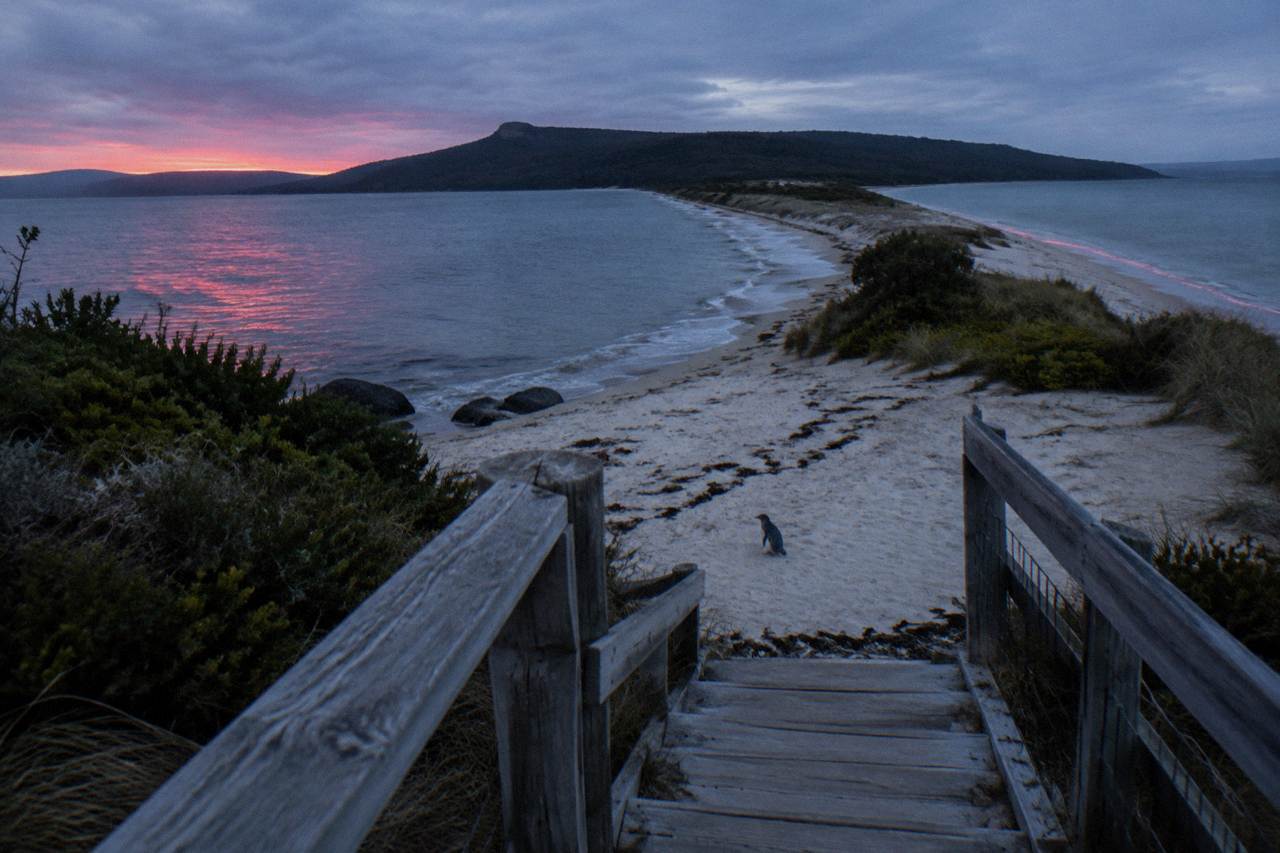
A Tasmanian guided penguin tour is a small, quiet, guide-led session on or beside a working rookery: at Bicheno a 70-minute experience with a short bus ride and a guided 500 m walk, at Low Head up to about an hour of guided viewing near the lighthouse with groups capped at 10 guests. There are no grandstands, no floodlights and no queue, and the birds pass close enough to hear.
The Bicheno tour, which is the related tour on this page, meets at the operator's shop at 1/70 Burgess Street in Bicheno, across from the IGA, with free parking and no pickups from accommodation. From there it is a short bus ride to a private rookery, then the guided walk of about 500 m over roughly 50 minutes. The operator runs year-round except Christmas Day and New Year's Eve, with departures between 5:00pm and 7:30pm from February to August and between 7:30pm and 9:30pm from September to January, always adjusted to dusk and confirmed at booking. Enclosed comfortable shoes are required, there are no toilets at the rookery, and wheelchair access is handled case by case. The rookery itself has a story worth hearing: the colony fell to about 40 birds in the early 1990s after dog attacks, and recovered after the operator restored the land, which is why the site exists as a protected private reserve today.
The Low Head tour runs every night just after sunset from the Low Head Coastal Reserve near George Town, with the bookable transfer tour capping groups at 10 guests, up to an hour of guiding, and wheelchair access available. The version sold on this site bundles a central Launceston pickup and return transfer, making it the only penguin tour on the island you can take without a car, which is exactly why it suits visitors basing themselves in Launceston. One practical note from the Parks and Wildlife Service alerts: the Low Head Pilot Station cafe, accommodation and toilets have been closed since 22 April 2026 pending a new lessee, while the tours and grounds remain open, so plan your evening around that.
Neither tour is a parade. There is no light show, no amphitheatre and no gift shop at the beach. What there is instead is proximity: a guide who can tell you which burrow has chicks, red-light discipline that keeps the birds relaxed, and a walk home in the dark past penguins a few metres away. For many travellers that is the more memorable version of the same animal.
Which Free Penguin Viewing Options Exist In Tasmania?
Tasmania has several genuinely free penguin viewing sites run by councils and volunteer groups: the Lillico Beach platform about ten minutes west of Devonport, the Burnie Penguin Observation Centre on the west coast, the Godfreys Beach platform at Stanley, and self-guided beaches near the township of Penguin. All are dusk experiences, all ask for red light only, and donations are welcome at the volunteer-run ones.
This is the category the Parade has no answer to. Victoria's penguin experience is ticketed by design; Tasmania's north coast is dotted with free platforms where the only cost is getting there and the only rule is to keep the beach dark and quiet. The Parks and Wildlife Service names little penguin viewing at the Bruny Island Neck Conservation Area platform, the Lillico Beach Conservation Area platform, Low Head Lighthouse, the Burnie penguin viewing platform, and The Nut State Reserve at Stanley. If the Neck is the one you want to see, our guide to driving from Hobart to Bruny Island, ferry and all covers the crossing times and what the penguin viewing there involves.
| Site | Cost | Season | What it is |
|---|---|---|---|
| Lillico Beach, near Devonport | Free, donations welcome | Generally September to April | Volunteer-run platform, 2-3 guides nightly in season |
| Burnie Observation Centre | Free, donations welcome | Guiding nightly 1 October to 31 March | Level wheelchair-accessible boardwalk, guides from 30 minutes before dusk |
| Godfreys Beach, Stanley | Free | Best September to March | Accessible platform with red lighting |
| Bruny Island Neck | Free | Dusk viewing | Named viewing platform at the Neck Conservation Area |
| Penguin township beaches | Free | Best November to March | Self-guided, no tours currently run |
The Lillico platform, ten minutes west of Devonport, is the flagship: volunteer guides from the Friends of Lillico Penguins are on site evenings through the season, they hold the red torches, and they will tell you what you are looking at. Burnie's Observation Centre runs free guided viewing nightly from 1 October to 31 March, with guides on the boardwalk from 30 minutes before dusk, no booking needed. At Stanley, the Godfreys Beach platform is pram and wheelchair accessible with red lighting installed. The township of Penguin, named for the bird, offers self-guided viewing at local beaches at dusk, with no organized tours currently running. Our free penguin viewing in Tasmania guide maps all of these in one place.
The trade-off, stated plainly: free sites offer no guarantee. Penguins are wild, numbers swing with the season, and on a quiet winter night you may see very little. The Parade sells certainty, the paid Tasmanian tours sell a guide and a known rookery, and the free platforms sell nothing at all except the chance. Plenty of visitors do all three across one trip.
When Is The Best Time Of Year At Each Place?
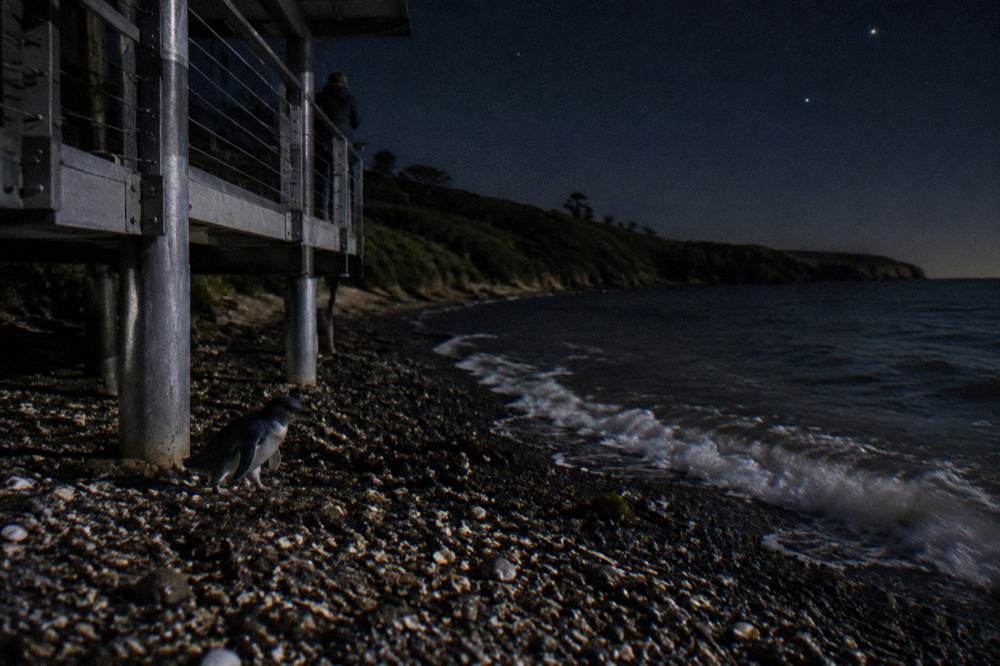
The Parade runs every night of the year and penguins arrive at sunset regardless of season, so timing there is about crowds and weather rather than birds. In Tasmania, September to January is the breeding season with the most activity, February to April is the moulting window when birds stay ashore, and winter is quieter at the rookeries, so the calendar matters more on this island than it does in Victoria.
At Phillip Island the official position is simple: open every night, penguins arrive at sunset every night of the year, all-weather outdoor event, arrive about an hour early. There is no bad month for seeing birds, only busier and colder ones. The current boardwalk upgrade programme has some amenities and toilets unavailable until around February 2027, with boardwalks themselves open and wheelchairs available on request, which is worth checking on the official pages before a visit.
Tasmania's seasonality is real. The state's environment department describes a breeding season that varies by bird, place and year, commonly starting in winter, with clutches of two eggs laid anywhere from May to December, incubation of about 35 days, and chicks fledging at about eight weeks. The concentrated summer breeding period is typically September to January, and that is when the guided operators describe the busiest activity. Moulting runs roughly February to April, when adults stay ashore for two to three weeks replacing feathers, which can mean visible but stationary birds. Winter viewing is quieter, with fewer birds coming ashore at some rookeries. Our best time to see penguins in Tasmania guide goes month by month if you are picking dates. For a wider look at weather, crowds and prices across the whole state, our guide to the best time to visit Tasmania covers the tradeoffs month by month.
| Period | Phillip Island Parade | Tasmanian rookeries |
|---|---|---|
| September to January | Nightly arrivals at sunset, peak visitor season | Breeding season, most activity, busiest tours |
| February to April | Nightly arrivals at sunset | Moulting window, birds ashore but less movement |
| May to August | Nightly arrivals at sunset, cold and quiet | Quieter viewing, fewer birds, lower crowds |
One wildlife note that applies to both states: H5 bird flu has been detected in Tasmanian wild birds, with little penguins among the detections on King Island, and the official advice is to avoid contact with sick or dead wildlife and report sightings to the Emergency Animal Disease Hotline on 1800 675 888. No penguin viewing restrictions tied to the flu have been found at any Tasmanian site, and the Parade remains open nightly.
How Do You Choose Between The Parade And A Tasmanian Penguin Tour?
Choose the Parade if your trip is anchored in or near Melbourne, you want a guaranteed nightly spectacle with world-class infrastructure, and you accept a no-photography rule and premium prices. Choose Tasmania if your trip is already here, you want a small guided walk close to the birds at from $53 to $83 per person, or you want to watch penguins for free from a volunteer-run platform on the north coast.
The single biggest factor is geography, and it outweighs everything else. If your Australian itinerary is Melbourne-centric, the Parade is a straightforward evening or day trip, about 90 to 120 minutes each way, and it delivers exactly what it promises. Building a Tasmanian detour purely for penguins would be a strange use of a holiday. Conversely, if you are touring Tasmania, and most visitors here are, driving to Victoria for penguins makes no sense at all when Bicheno, Low Head, Lillico, Burnie and Stanley are already on your route. The viewing-site comparison on the homepage of Tasmania Penguin Tours lays out every Tasmanian option side by side, and our Bicheno versus Low Head comparison settles the internal Tasmanian choice between the two paid tours.
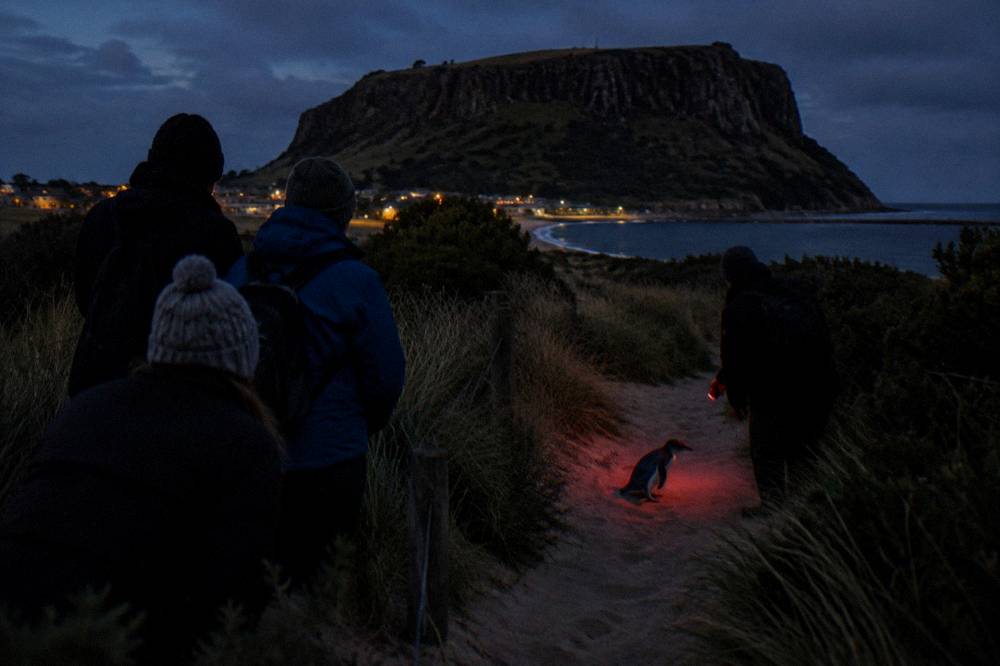
After geography, the honest differentiators are these. Scale: the Parade is bigger, and nothing in Tasmania matches 40,000 birds on one peninsula. Intimacy: Tasmania wins, with groups of 10 to 15 rather than grandstands. Price: Tasmania wins, from $53 against premium formats starting at $87.50 to $129 in Victoria. Photography: Tasmania's paid tours permit non-flash photography; the Parade does not permit any after sunset. Guarantee: the Parade wins, with nightly arrivals at sunset year-round. Access without a car: the Low Head tour with its Launceston transfer wins, since the Parade requires self-drive or a tour from Melbourne. Free options: Tasmania wins outright, with multiple volunteer-run platforms.
There is no wrong answer here, and this site has no interest in talking down the Parade. It is a genuinely world-class wildlife attraction run by a conservation organisation, and the money it generates funds the protection of the very species Tasmania's rookeries depend on. If your trip takes you to Victoria, go and see it. If your trip takes you to Tasmania, the birds are here too, in smaller numbers, closer, cheaper, and often within arm's reach of an empty boardwalk.
Common Questions About The Parade Vs Tasmania
Is the Phillip Island Penguin Parade in Tasmania?
No. The Penguin Parade is at Summerlands on Phillip Island, in Victoria, about 90 to 120 minutes' drive from Melbourne. Tasmania's penguin experiences are separate and include guided tours at Bicheno and Low Head plus free viewing platforms on the north coast.
Are the penguins at Phillip Island the same species as in Tasmania?
Yes. Both are little penguins, Eudyptula minor, the smallest penguin species in the world, also widely called fairy penguins. Adults stand about 40 cm tall and weigh around 1 kg, and the majority of the Australian population lives in Tasmania.
Can you take photos at the Phillip Island Penguin Parade?
No, not after sunset. Photography and filming are prohibited after sunset across the parade viewing areas to protect the penguins' night-adapted eyes. Tasmanian guided tours permit photography without flash, and the free platforms allow viewing only, with red-light rules set by each site.
Is the Tasmanian penguin tour cheaper than the Parade?
Yes. The Bicheno guided beach walk is from $53 per person and the Low Head tour with Launceston transfer is from $83, while the Parade's published adult formats run from $87.50 to $129. Tasmania's free platforms at Lillico, Burnie and Stanley cost nothing but a donation.
Which is better, the Parade or a Tasmanian penguin tour?
Neither is better, they are different. The Parade offers a guaranteed nightly spectacle with grandstands and premium formats; Tasmanian tours offer small groups, guides and close-up viewing at lower prices. Choose based on where your trip already is.
Can you see penguins in Tasmania without a tour?
Yes. Volunteer-run free viewing operates at the Lillico Beach platform near Devonport, generally September to April, and at the Burnie Penguin Observation Centre nightly from 1 October to 31 March. Stanley's Godfreys Beach platform and the Bruny Island Neck platform are also free, and all ask for red light only and no flash.