How Many Days Is Enough For Tasmania?
A practical itinerary length planner for Tasmania, from a tight five day sampler to a ten day full loop, with a dusk penguin evening built in on the east or north coast.
How Many Days Is Enough For Tasmania?
Most travellers find five days is the honest minimum for a first visit: two around Hobart and the south, two up the east coast, and one for travel. Seven days adds Bruny Island or the Tasman Peninsula without rushing. Ten days suits a full island loop including Launceston and the north-west coast. Under four days means choosing one region and staying in it.
The honest starting point is that Tasmania is bigger than it looks on a map of Australia. Distances that read as short can take half a day once you factor in winding roads, wildlife at dusk and the simple fact that the best stops are not next to each other. A trip that tries to touch Hobart, Freycinet, Launceston, Stanley and Hobart again in four days becomes a driving holiday with photo stops, not a Tasmania holiday.
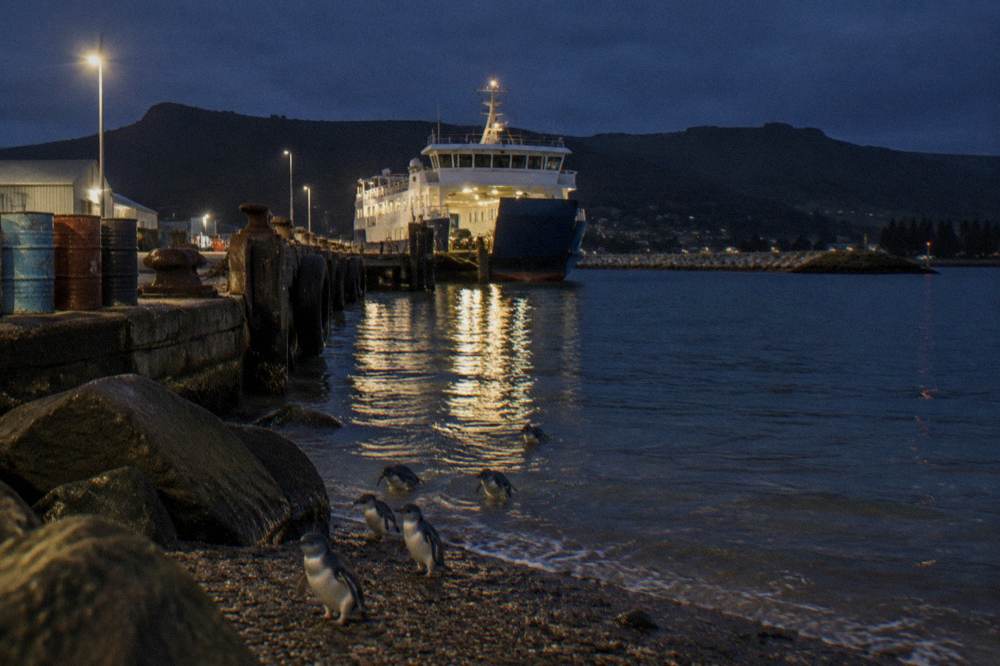
The second thing that shapes the answer is what you actually want from the island. Food and wine around Hobart and the Tamar, walking in national parks, coastal towns, or wildlife at dusk: these pull the itinerary in different directions. Wildlife is the easiest to plan for, because the star attraction arrives on its own schedule every evening. Little penguins come ashore at dusk in small groups within an hour or so of darkness, which means a penguin tour costs no daytime hours at all, only a late dinner. The state's own environment department notes that the majority of the Australian little penguin population lives in Tasmania, so the odds of a good evening are genuinely in your favour. The NRE Tasmania little penguin page covers the biology if you want the detail.
That is also why this site exists: two bookable dusk anchors, one on the east coast at Bicheno and one on the north coast at Low Head with a Launceston transfer, slot neatly into almost any trip length. If your itinerary touches either coast, an evening with penguins is one of the cheapest ways to make the trip feel distinct from a mainland break.
What Can You Realistically See In Five Days?
Five days covers Hobart, the Tasman Peninsula, one east coast town such as Bicheno or Coles Bay, and the return drive, at a steady pace. It is the shortest length where you are not repacking every night. It leaves out Launceston, the north-west coast and Bruny Island, so treat it as a south and east sampler rather than a survey of the state.
A five day shape that works: arrive Hobart, two nights there with a Port Arthur or Tasman Peninsula day, then drive north with a stop in Orford or Swansea, two nights in Bicheno or Coles Bay, then the run back south. The east coast stretch is where the trip slows down in the good sense: Freycinet, the blowhole at Bicheno, and an evening penguin walk all sit within a short drive of each other.
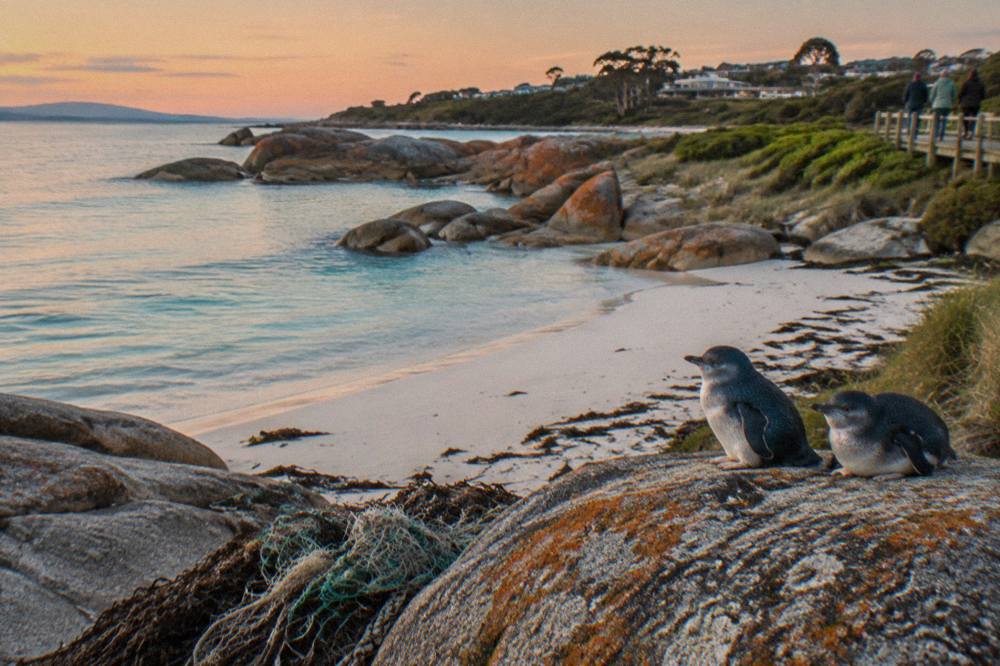
The Bicheno penguin evening is the natural dusk anchor for this shape. The tour meets at the operator's shop on Burgess Street in Bicheno, includes a short bus ride to a private rookery, then a guided walk of about 500 metres over roughly 50 minutes, 70 minutes with the guide in total. It is rated 4.8 from 26 reviews and runs from $53 per person, with free cancellation. The listing is flagged as often selling out, which on a five day trip matters more than usual: with only one or two possible east coast evenings, booking ahead protects the one night that suits.
| Trip length | What it realistically covers | What you give up |
|---|---|---|
| 3 to 4 days | One region only: Hobart and the south, or Launceston and the north | The opposite coast, Bruny Island, most walking parks |
| 5 days | Hobart, Tasman Peninsula, one east coast base, return drive | Launceston, the north-west, Bruny Island |
| 7 days | Adds Bruny Island or the north around Launceston and Low Head | The far north-west and Stanley |
| 10 days | Full island loop, two penguin evenings on opposite coasts, a spare weather day | Very little, at the cost of a longer trip |
The table is a planning guide, not a rule. Plenty of travellers have a superb four days entirely in Hobart with a Bruny day trip, and plenty find ten days too long if they dislike driving. The point of the frame is to stop the classic mistake: booking five days and planning a route that needs eight.
How Do You Split Time Between Hobart, The East Coast And Launceston?
A common seven day split is two nights in Hobart, two on the east coast around Bicheno or Swansea, and two around Launceston, keeping the last day loose for the drive back. Five days forces a choice between east coast and north. Ten days lets you add the north-west coast and still keep evenings free.
The seven day version is the sweet spot for a first trip because it touches three different Tasmanias: the colonial and food capital in the south, the beaches and pink granite of the east, and the quieter rural north around Launceston. It also puts a penguin evening within reach on both legs. Bicheno sits on the east coast leg, and Low Head sits about an hour's worth of quiet coastal road out of Launceston on the north leg.
The north leg is where the Low Head tour earns its place. The listing is a small group experience, capped at 10 guests, rated 5.0 from 22 reviews, from $83 per person, and about three hours door to door including central Launceston pickup and transfer, with about an hour of guided penguin viewing at Low Head near George Town. For travellers staying in Launceston without a car, or who simply do not want to drive coastal roads after dark, the transfer is the whole point: you get a guided dusk experience without a night drive.
For the east coast leg, the itinerary planning in the east coast Tasmania itinerary guide goes town by town, and the timing notes in when can you see penguins at Bicheno help you pick which evening to book. If you are travelling in the shoulder months, the month by month detail in best time to visit Tasmania is worth a read before you lock dates.
| A seven day shape | Nights | Region feel | Dusk option |
|---|---|---|---|
| Hobart and the south | 2 | City, food, history, Tasman Peninsula day trip | Self-guided options limited; most tours are elsewhere |
| East coast, Bicheno or Coles Bay | 2 | Beaches, granite, small towns | Bicheno guided penguin walk, 70 minutes |
| Launceston and the north | 2 | River city, valleys, quiet coast | Low Head small group tour with transfer |
One practical note for the north leg: the cafe, accommodation and toilets at the Low Head Pilot Station have been closed pending a new lessee, while the tours and grounds remain open. Eat before you go and use facilities in George Town or Launceston.
Where Do Penguins Fit Into A Tasmania Itinerary?
Little penguins come ashore at dusk, so a penguin evening costs no daytime sightseeing, only a late dinner. Bicheno anchors the east coast with a 70 minute guided walk from $53, and Low Head anchors the north near Launceston with a small group tour from $83 including transfer. Both run nightly and both allow free cancellation.
This is the single most useful scheduling fact on the site. Penguins leave the water at last light and most come ashore in small groups within an hour or so of darkness, so the tour times are pegged to dusk rather than to a clock. Sunset in the Hobart area runs near 6:20 pm in early October and pushes out toward 8:50 pm in late December, so the same tour can start before dinner in spring and after 9 pm in midsummer. Exact start times are confirmed at booking.
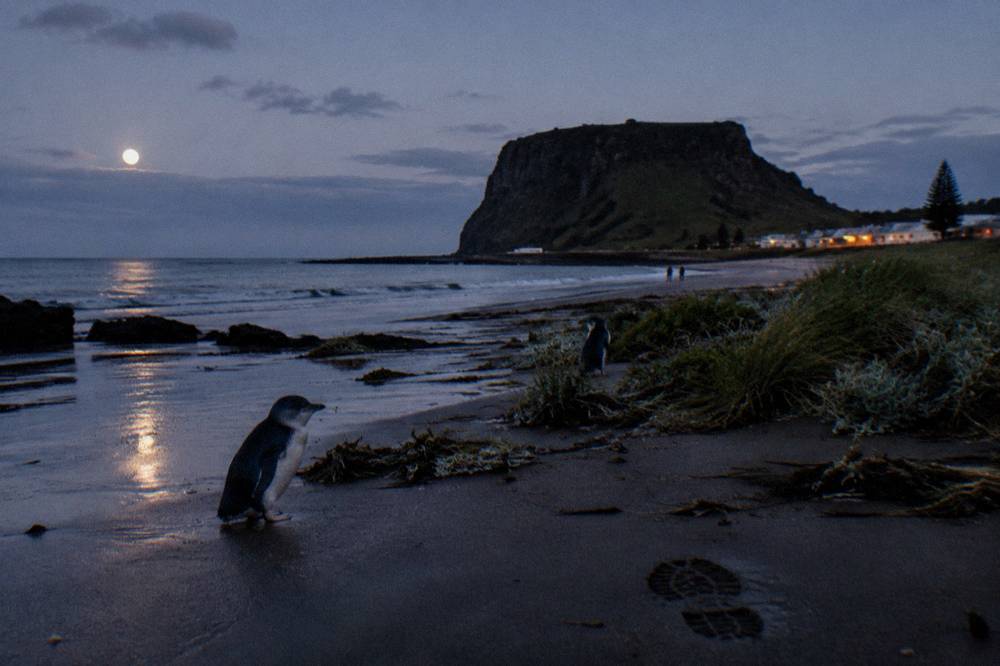
The two tours also suit different trip shapes. Bicheno is the pick for the classic south to east coast route, because the town sits right on that drive and the tour meets in the town centre. Low Head is the pick if Launceston is your base or your arrival airport, because the transfer handles the coastal night drive. On a ten day loop you can honestly do both, one on each coast, and see how different the evenings feel: a beach walk to a private rookery in the east, a lighthouse reserve in the north.
Both listings carry free cancellation, which matters on a dusk dependent activity: if the weather turns foul you can rebook rather than lose the night. What to bring is simple and the what to wear on a penguin tour guide covers it in full: warm layers, enclosed shoes, and no expectations of flash photography, which is prohibited at both sites. The photography rules in penguin photography rules Tasmania explain why, and why your best souvenir is the memory rather than the shot.
Season matters less than people fear. The Bicheno operator describes September to January as its breeding season with the most activity, February to August as quieter, and February to April as the moulting window when birds stay ashore. Tours run year round at both sites, so a winter trip still gets an evening, just a smaller and earlier one.
What Should You Know About Ferries, Parks Passes And Driving?
Book the Spirit of Tasmania around your dates early: the new vessels begin inaugural sailings on 31 October 2026, with night sailings only during the transition. A parks pass is required for Tasmania's national parks but not for the main penguin viewing sites. Expect roadworks on the Tasman Highway near Bicheno and on Bass Highway sections into autumn 2027.
If you are arriving by sea, the ferry schedule deserves a spot in your day count, not just your booking. The current vessels run until a transition in the final week of October 2026, and the new vessels begin passenger sailings on 31 October 2026 with night crossings only at first. That means a day you might have planned as a sailing day could become an overnight, and a night sailing effectively costs you no sightseeing time at all. The Spirit of Tasmania site carries the current schedule.
Bruny Island, if your day count stretches that far, adds its own logistics. The ferry from Kettering to Roberts Point is a 20 minute crossing, runs 365 days a year on a queueing system where tickets are valid for the next available sailing rather than a fixed time, and the summer timetable started on 28 September 2026. From 1 December to April a 15 percent peak surcharge applies to the visitor regular fare. The SeaLink Bruny Island timetable page has the details. Budget a full day for Bruny rather than an afternoon.
On parks: a valid pass is required for entry to all of Tasmania's national parks, and the daily pass runs $49.15 per vehicle for up to eight people, with holiday and annual options listed on the Parks and Wildlife Service page. The main penguin viewing sites, including the private Bicheno rookery and the Low Head reserve, are not national parks, so a penguin evening does not add a pass to your budget. If Freycinet or Cradle Mountain is on your route, that is where the pass applies.
Driving deserves the final word because it is the hidden tax on short trips. The Apsley upgrade on the Tasman Highway near Bicheno has been under way since early 2025 and the Bass Highway resurfacing program runs into autumn 2027, so pad coastal drives on both sides of the island. And the standard Tasmanian advice applies doubly at dusk: wildlife comes to the roads, so where a tour offers a transfer, as the Low Head listing does, letting someone else drive the dark leg is a genuine safety choice rather than a luxury.
Is Ten Days Too Long For Tasmania?
Ten days is not too long, it is the length where Tasmania stops feeling compressed. You can loop the whole island, spend two evenings with penguins on opposite coasts, and keep a spare day for weather. The realistic risk at ten days is overplanning rather than boredom: the island rewards a loose day more than a tenth booked attraction.
A ten day loop might run Hobart, Bruny or the Tasman Peninsula, up the east coast with two nights around Bicheno, across to Launceston with a Low Head evening, then the north-west coast, Stanley and the Nut, and back down. That is a lot of ground, and it only works if you accept two or three single-night stops. Travellers who hate one night stands should flip the logic: pick four bases and day trip from each, which trades distance for calm.
The penguin evenings are a good example of what ten days buys. On a five day trip you pick one coast and one tour. On ten you can take the Bicheno walk on the east leg and the Low Head small group tour on the north leg, two evenings, two very different settings, and no daytime cost on either. The comparison in the Bicheno vs Low Head penguin tours guide breaks down the differences if you are choosing, and the broader options in penguin tours from Hobart and Launceston cover the bases.
Whatever length you settle on, the planning principle from Tasmania Penguin Tours is the same one that runs through this site: count your evenings as carefully as your days. Tasmania's best known sights are daylight attractions, but its most reliable wildlife experience happens after dark, and it fits every itinerary from five days up.
Common Questions About Tasmania Trip Length
How Many Days Is Enough For Tasmania?
Five days is the honest minimum for a first visit covering Hobart and the east coast. Seven days adds the north around Launceston or Bruny Island without rushing. Ten days suits a full island loop with a spare weather day. Under four days, pick one region and stay in it.
Can You See Penguins On A Short Tasmania Trip?
Yes. Penguin tours run at dusk, so they cost no daytime sightseeing. The Bicheno tour is a 70 minute guided walk from $53 on the east coast, and the Low Head tour from $83 with Launceston transfer serves the north. Either fits a five day itinerary on the matching coast.
Is Seven Days Enough To See Both Hobart And Launceston?
Yes, with an east coast drive between them. Two nights in Hobart, two on the east coast around Bicheno, and two in Launceston is a common shape, and it puts a penguin evening within reach on both legs.
Do I Need A Parks Pass For A Penguin Tour?
No. The main penguin viewing sites, including the private Bicheno rookery and the Low Head reserve, are not national parks. A pass is required for national parks such as Freycinet, at $49.15 per vehicle for a daily pass, so budget for it if parks are on your route.
What Is The Biggest Mistake In Planning A Tasmania Trip?
Underestimating drive times and overpacking the itinerary. Distances are short on paper but roads are winding, roadworks around Bicheno and on the Bass Highway add delays, and wildlife at dusk makes night driving unattractive. Plan fewer bases and looser days.