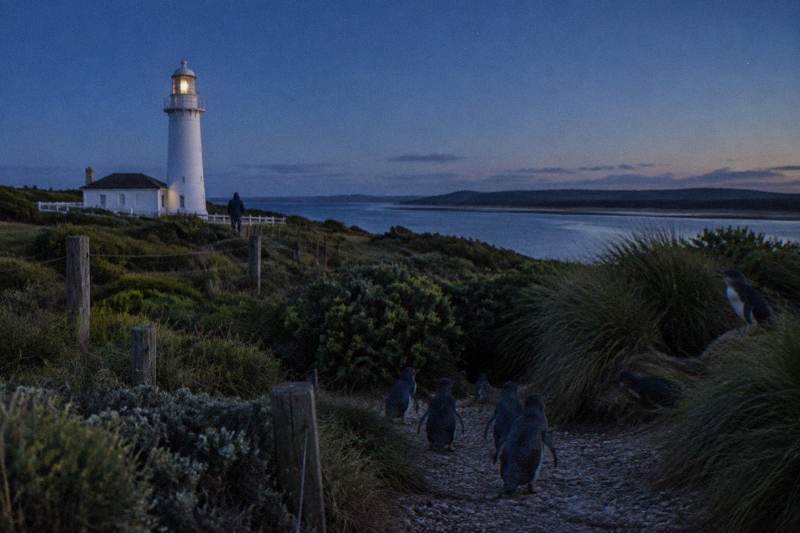
Are There Penguins In Devonport?
Yes: little penguins come ashore at Lillico Beach, ten minutes west of Devonport, on a free volunteer-run viewing platform generally open September to April. Here is how it works, plus the paid tour option.
Are There Penguins In Devonport?
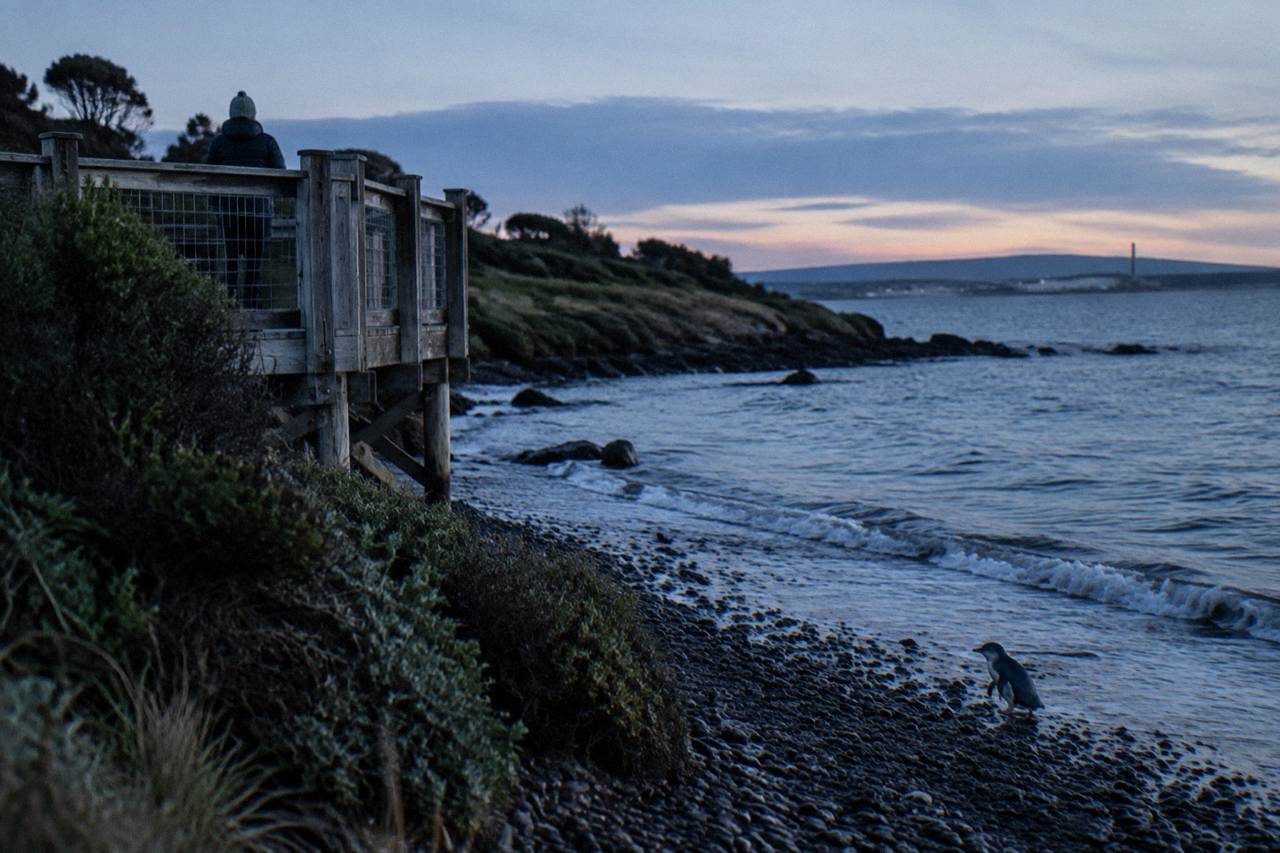
Yes, but not in the town itself. Little penguins come ashore at Lillico Beach, a coastal reserve about ten minutes west of Devonport on the Bass Highway, where a free viewing platform is generally used from September to April with volunteer guides on site in season. Devonport's own waterfront is working port, not penguin habitat. If you're willing to drive further along the coast, our guide to seeing penguins near Stanley covers another reliable viewing spot in the north west.
The distinction matters more than it sounds. People arrive off the Spirit of Tasmania ferry at Devonport, look at the water and wonder whether the birds they have heard about are right there on the foreshore. They are not. The nearest reliable colony sits a short drive west at Lillico, inside the Lillico Strait Conservation Area, and the Devonport City Council's own page for the beach describes it as a free, volunteer-run experience with donations welcome.
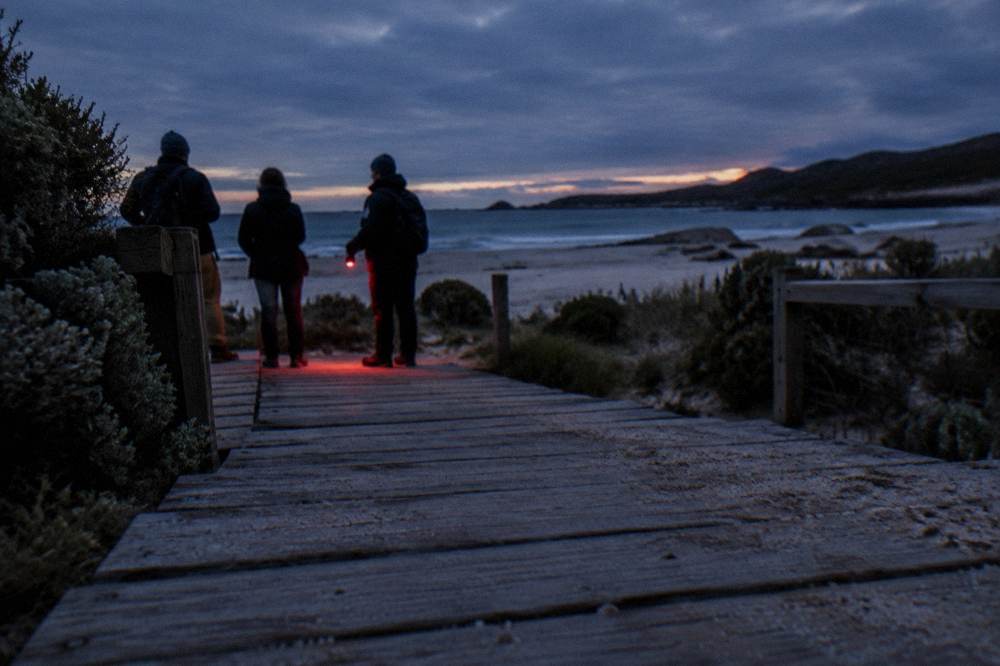
That volunteer effort is the reason the site works at all. The Friends of Lillico Penguins, a Wildcare group, staffs the platform on evenings through the season, typically with two or three guides who hold red-light torches, explain what is happening and keep visitors on the right side of the rules. You turn up, you watch, you pay nothing, and the birds come in as they would anyway.
The species involved is the little penguin, the smallest penguin in the world, standing about 40 cm and weighing around 1 kg as an adult. The majority of the Australian population lives in Tasmania; past state-level estimates put the Tasmanian population at 110,000 to 190,000 breeding pairs, with most of those on offshore islands and under 5 percent on mainland Tasmania. So while a colony within ten minutes of a regional city feels remarkable, the north coast is genuinely one of the bird's strongholds. Older Tasmanian sources sometimes call them fairy penguins, and both names refer to the same bird.
For travellers who would rather have a paid, fully guided option with a guaranteed structure, the closest one is at Low Head near George Town on the north coast, which is covered further down this page. The Low Head tour with a Launceston transfer runs from $83 per person, and the Bicheno tour on the east coast runs from $53. Both are bookable through the operator's live listing.
Where Exactly To See Penguins Near Devonport?
The viewing site is the Lillico Beach Conservation Area platform, ten minutes west of Devonport on the Bass Highway. It is free, donations are welcome, and the platform is generally used from September to April with volunteer guides on evenings in season. Guides hold red torches; visitors may not use torches or flash photography at all.
The practical shape of an evening is simple. You arrive before last light, settle in at the platform and wait. Little penguins spend daylight hours at sea feeding and return to their burrows in small groups within an hour or so of darkness, which is the pattern the NRE Tasmania penguin watching guidelines describe. The volunteers at Lillico manage that wait: they point out where the birds will land, keep noise down and answer questions, which is genuinely useful on a first visit.
What you wear matters more than most people expect. The Tasmanian coast after sunset is cold even in summer, and the guidelines recommend dark clothing, quiet movement and settling into position before the light goes. Enclosed shoes are the norm on coastal reserves. There is more detail in our guide to what to wear on a penguin tour.
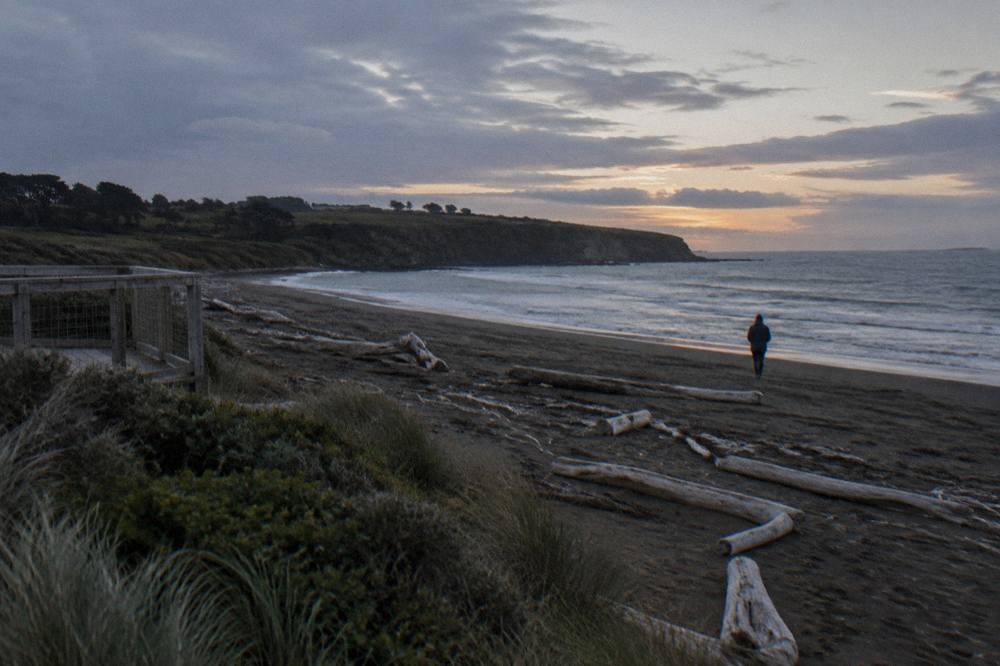
The options around Devonport, in short:
| Option | Distance from Devonport | Cost | Season | Guided |
|---|---|---|---|---|
| Lillico Beach platform | About 10 minutes west | Free, donations welcome | Generally September to April | Volunteer guides in season |
| Burnie Observation Centre | West along the Bass Highway | Free, donations welcome | Guided viewing 1 October to 31 March | Volunteer guides |
| Low Head tour (paid) | East, near George Town | From $83 with Launceston transfer | Nightly, year-round | Fully guided, small group |
Burnie belongs in the same conversation because it is the other free, volunteer-run site on the north coast, with guided viewing nightly at dusk from 1 October to 31 March. Our Burnie penguins guide covers it in full, and our broader roundup of free penguin viewing in Tasmania puts all the no-cost sites side by side.
One thing to plan around: the Low Head Pilot Station cafe, accommodation and toilets have been closed since 22 April 2026 pending a new lessee, while the tours and grounds at Low Head remain open. If your evening takes you along the north coast, do not count on facilities there.
When Can You See Penguins At Lillico Beach?
The platform at Lillico is generally used from September to April, with volunteer guides on evenings during that season. The strongest months for activity are September to January, which is the breeding season; February to April is the moulting window, when birds stay ashore for two to three weeks while replacing feathers.
The calendar underneath the season dates comes from the birds themselves. Breeding varies by location, individual and year, and commonly starts with nest preparation in winter. Clutches of two eggs can be laid as early as May or as late as December, incubation runs about 35 days with parents sharing shifts of up to a week, and chicks fledge at roughly eight weeks. September to January is when most of that activity is visible from a platform: adults returning with full bellies, chicks calling from burrows, constant traffic between the water and the dunes.
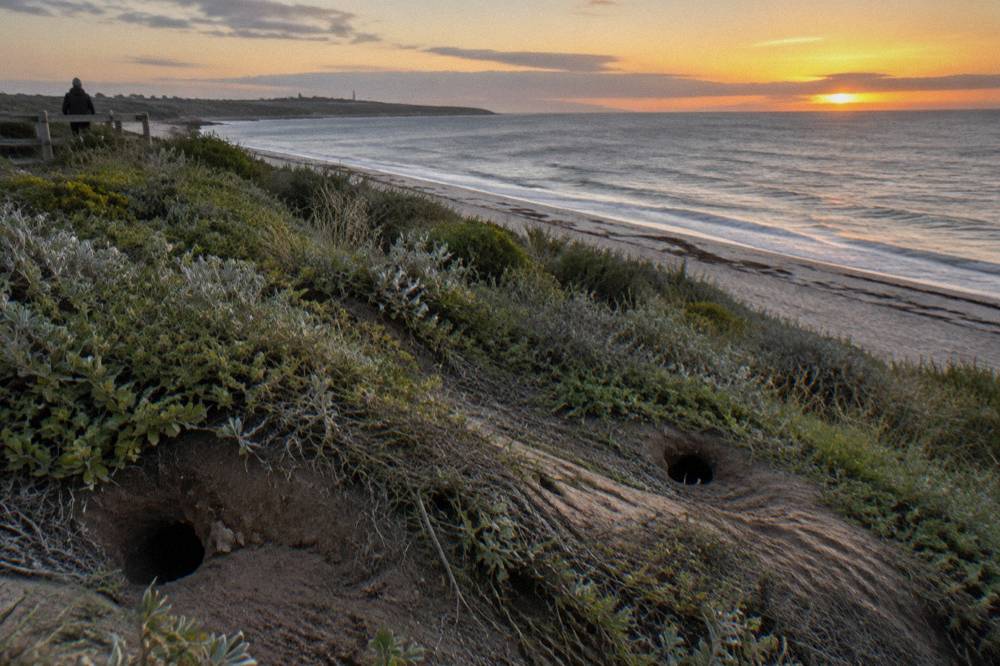
Moulting is the quieter chapter. Before the moult, adults feed heavily at sea to build reserves; then they stay ashore about two to three weeks while replacing all their feathers at once, unable to fish. From a viewer's perspective, February to April can still produce birds on the beach, but the pattern is different and the numbers at many sites drop. Winter is quieter again at most rookeries.
Timing within the evening matters as much as the month. Penguins come ashore in small groups within an hour or so of darkness, so the volunteers ask people to arrive and settle before last light rather than walking in late with torches sweeping. Sunset in Tasmania shifts a long way across the year, from around 6:20 pm in early October toward 8:50 pm at the December peak in the Hobart area, so the meeting time at any viewing site moves with it. Check a sunset table for your date and work backwards. If you're planning to catch penguins elsewhere on the north-west coast, the Stanley viewing season and timing guide covers what to expect at Godfreys Beach.
A note on what else is in the air at the same time of evening. Short-tailed shearwaters, the birds locals call muttonbirds, return to Tasmanian colonies in late September and early October for their own breeding season, which runs through to about April. At dusk, alongside the penguins coming in, shearwaters can be leaving for the sea, and on some north coast evenings you get both movements at once. It is one of the small bonuses of a Lillico visit in the warmer months, and the volunteers can usually point it out.
What Are The Rules At The Lillico Platform?
No visitor torches and no flash photography, ever. The volunteer guides hold the only red-light torches, visitors stay on the platform and existing tracks, and the NRE guidelines add dark clothing, quiet movement, no dogs or cats under any circumstances, and staying at least 3 m from burrows. Penguins are protected wildlife in Tasmania.
The rules are not fussiness; they are load-bearing. The NRE guidelines explain that disturbed birds stay at sea longer, which stresses them and delays the feeding of chicks. A single bright light pointed at the water can hold a whole raft of birds offshore, and the birds will simply not come in while the beach feels unsafe. That is why the Lillico model works: one controlled light source, held by people who know the colony. More of these guides are collected on Tasmania Penguin Tours.
The same logic governs photography. Flash on the beach is out everywhere in Tasmania, and at Lillico the volunteer setup means no personal torches at all, which in practice means phone photos are close to pointless after dark anyway. If you want the reasoning in depth, our guide to penguin photography rules in Tasmania covers what is allowed, what is not and why the restrictions are so strict.
The approach rules matter just as much as the light rules. The guidelines ask visitors to approach from land rather than along the beach, to use existing tracks and never walk through the colony, and to pick a spot at least 3 m from burrows and not blocking them. Food scraps go away with you. Dogs and cats are banned outright, even leashed, because dogs in particular can kill many birds in a single incident; the Bicheno colony's history, where numbers fell to about 40 birds in the early 1990s after dog attacks before land restoration brought them back, a story of how quickly a colony can collapse and recover. Catching or harassing a penguin is illegal, and sick or injured birds should be reported rather than handled.
Is There A Paid Penguin Tour Near Devonport?
Yes, at Low Head near George Town, roughly an hour and a half east along the north coast. The Low Head tour with a central Launceston pickup and transfer runs about 3 hours door to door, costs from $83 per person, is rated 5.0 from 22 reviews and caps groups at 10 guests, with free cancellation.
The paid option answers a different problem than Lillico. Lillico is free but self-directed in the sense that you drive yourself, time it yourself and take your chances on the night. Low Head is a fully guided hour of penguin viewing at the Low Head Coastal Reserve, tours run every night just after sunset, the operator supplies the low-intensity lights, and the listing with the Launceston transfer removes the need to drive at all after dark, which on Tasmanian roads at dusk is a real consideration given wildlife on the verges. If you'd rather skip the driving entirely, the north-west coast township of Penguin explained here covers what that beach stop does and doesn't offer.
The transfer version is the one this site features: central Launceston pickup, about 3 hours door to door including about an hour of guided viewing. The operator's own page also lists a direct price of $50 per adult at Low Head itself, which is the ticket without the Launceston transfer, not a competing product to the $83 listing. If you are staying in Launceston rather than Devonport, the transfer is the practical choice; if you have your own car and are touring the north coast, the direct ticket may suit.
The east coast alternative is Bicheno, which is a long way from Devonport but worth knowing about if your trip loops the island. That tour runs from $53 per person, is rated 4.8 from 26 reviews and lasts 70 minutes with the guide: a short bus ride from the shop on Burgess Street to a private rookery, then a guided walk of about 500 m. The listing is flagged as often selling out, so booking ahead is the sensible move.
What About Arriving In Devonport On The Ferry?
The Spirit of Tasmania docks at Devonport, and the ferry arrival is the moment many travellers first ask about penguins. The new vessels, Spirit of Tasmania IV and V, begin inaugural passenger sailings on the Geelong to Devonport route on 31 October 2026, with night sailings only during the transition. Night arrivals land in Devonport at dawn, not at penguin time.
That timing shapes the practical advice. A night sailing arrives in Devonport in the morning, which means you have a full day before any evening viewing, and Lillico is close enough that a first night in Devonport can include a platform visit if the season is running. Day sailings are not operating during the vessel transition, so the classic pattern for now is the overnight crossing. The operator's site carries the current schedule and the transition detail.
Two planning notes for the drive west from Devonport. The Bass Highway around Lillico sits inside the state's 2026 to 2027 resurfacing program, with preparation from September 2026 and sealing from mid-October 2026 into early autumn, so delays of up to 15 minutes are possible on that stretch. And dusk driving anywhere in Tasmania calls for reduced speed and alertness because of wildlife on the roads, which is standard local advice and one more reason the Launceston transfer on the Low Head tour appeals to visitors who would rather not drive after dark.
If Devonport is the start of a longer loop, the Devonport City Council's Lillico Beach page is the primary source for the platform, and this site's own regional guides carry the rest: the Lillico detail sits in our Lillico Beach penguins guide, and the north coast options are laid out in the Low Head penguin tours guide.
A final word on expectations. No published colony count exists for Lillico, so any number you see quoted for how many birds come ashore there should be treated with caution. What the volunteers and the season calendar tell you is the honest version: September to January is the busiest stretch, numbers thin through autumn, and winter is quiet. The birds decide the evening, and the platform exists to let you watch that decision without getting in its way.
Common Questions About Penguins In Devonport
Are There Penguins In Devonport?
Not in the town itself, but yes nearby. Little penguins come ashore at Lillico Beach, about ten minutes west of Devonport, at a free viewing platform generally used from September to April with volunteer guides on evenings in season.
How much does it cost to see penguins at Lillico Beach?
Nothing. The Lillico platform is a free, volunteer-run experience run by the Friends of Lillico Penguins, a Wildcare group, and donations are welcome. There is no ticket or booking.
Can I take photos of penguins at Lillico?
Not with flash, and not with a torch of your own. The volunteer guides hold the only red-light torches, and the NRE guidelines ban flash on the beach. In practice the darkness makes phone photography close to useless after dark anyway.
What is the closest paid penguin tour to Devonport?
The Low Head penguin tour near George Town. With a central Launceston pickup and transfer it runs about 3 hours door to door, costs from $83 per person, is rated 5.0 from 22 reviews and caps groups at 10 guests, with free cancellation.
When is the best time of year for penguins at Lillico?
September to January, the breeding season, has the most activity. February to April is the moulting window, when birds stay ashore for two to three weeks. The platform is generally used from September to April, and winter is quieter.
Do I need a parks pass for Lillico Beach?
Lillico is a coastal reserve, not a national park, and the council lists it as free with donations welcome. A parks pass is required for entry to Tasmania's national parks but is not what covers this platform. Check the Parks and Wildlife Service if your trip includes parks elsewhere.