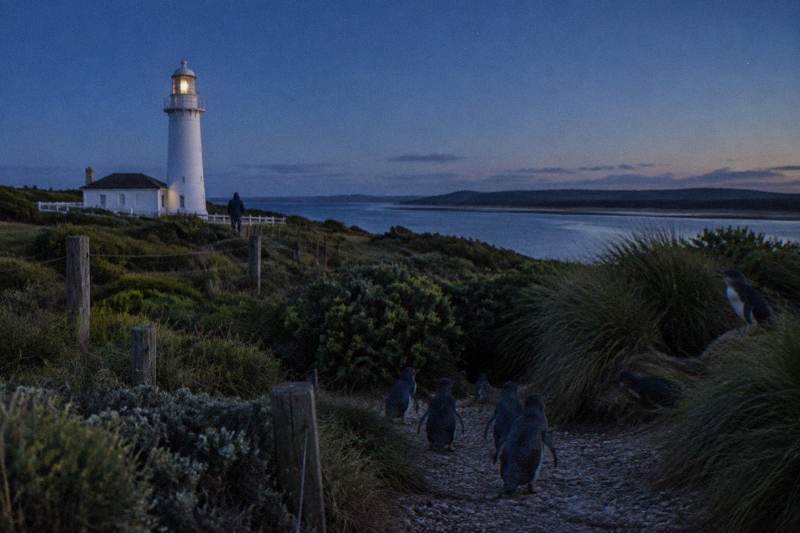
When Can You See Penguins At Stanley?
Little penguins come ashore at dark at Stanley's Godfreys Beach platform, best from September to March. Here is the season, the timing and the guided alternative at Low Head.
When Can You See Penguins At Stanley?
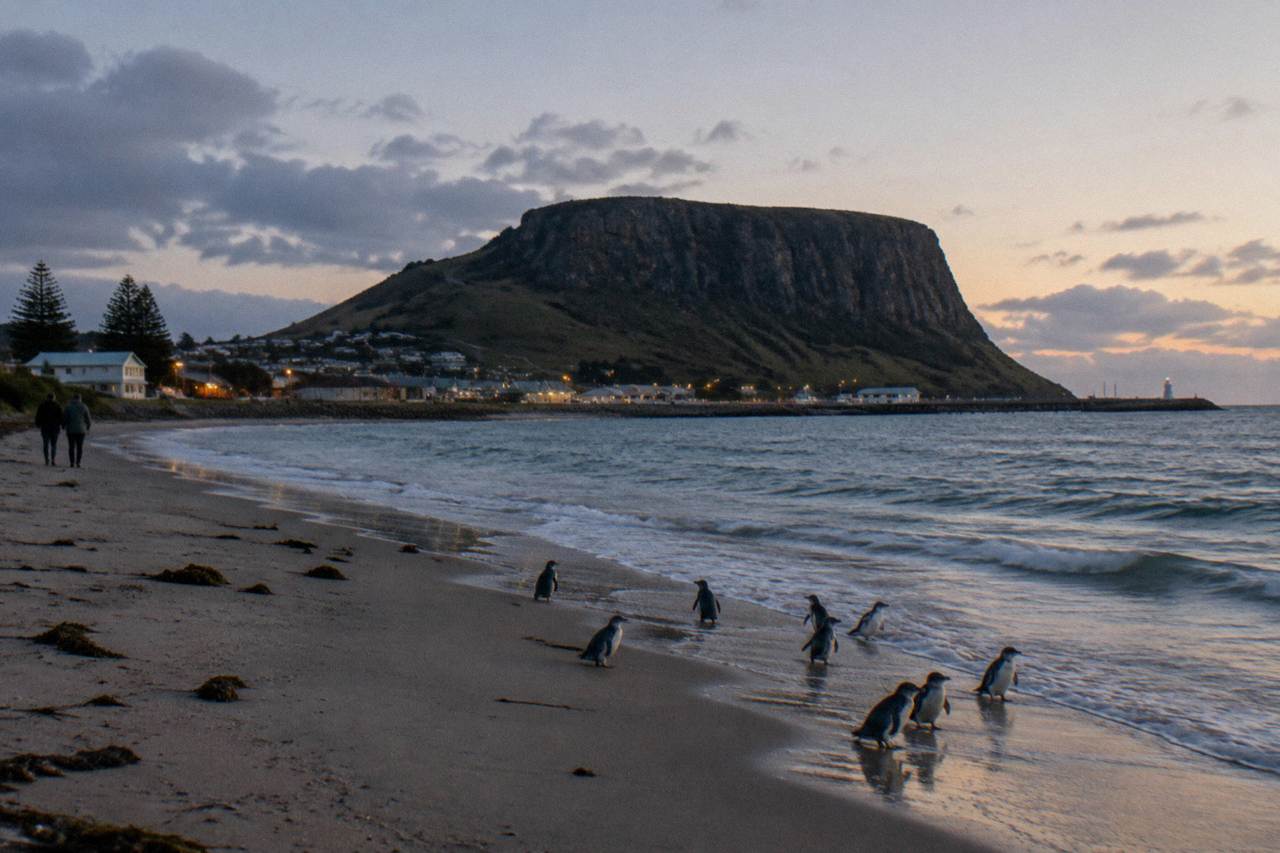
The penguin viewing season at Stanley runs roughly September to March, with the strongest months late September to January when breeding activity peaks. Winter brings far fewer birds ashore. Little penguins come ashore at dark at Godfreys Beach and Tatlows Beach, and viewing is free and self-guided; no tour operator runs at Stanley. If you're continuing along the north coast, Lillico Beach near Devonport offers a similar free viewing experience, and our guide to penguin viewing at Lillico Beach near Devonport explains how the volunteer-run platform works.
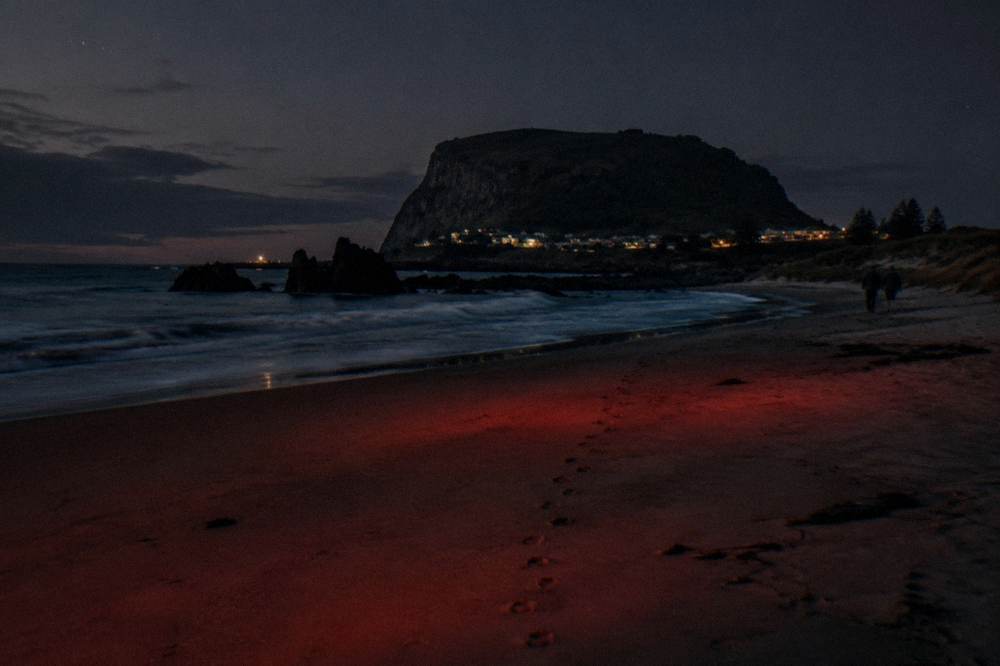
Stanley sits under The Nut on Tasmania's far north-west coast, and it is one of the places the Parks and Wildlife Service officially names for little penguins at dusk. The PWS seabirds and shorebirds page lists The Nut State Reserve alongside better-known sites such as Bruny Island Neck and Low Head Lighthouse, which puts Stanley on a short official list rather than a rumoured one. What the page does not do is run the show for you: there is no ticket desk, no guide with a red torch, no schedule but the sun's.
That is the honest trade at Stanley. You get a free, wild colony that walks ashore beside a historic town, and in exchange you do the planning yourself. The birds are little penguins, the smallest penguin species, adults about 40 cm and around 1 kg, and the majority of the Australian population lives in Tasmania. Most come ashore in small groups within an hour or so of darkness, so the whole evening hinges on two questions: which month, and what time the sun sets.
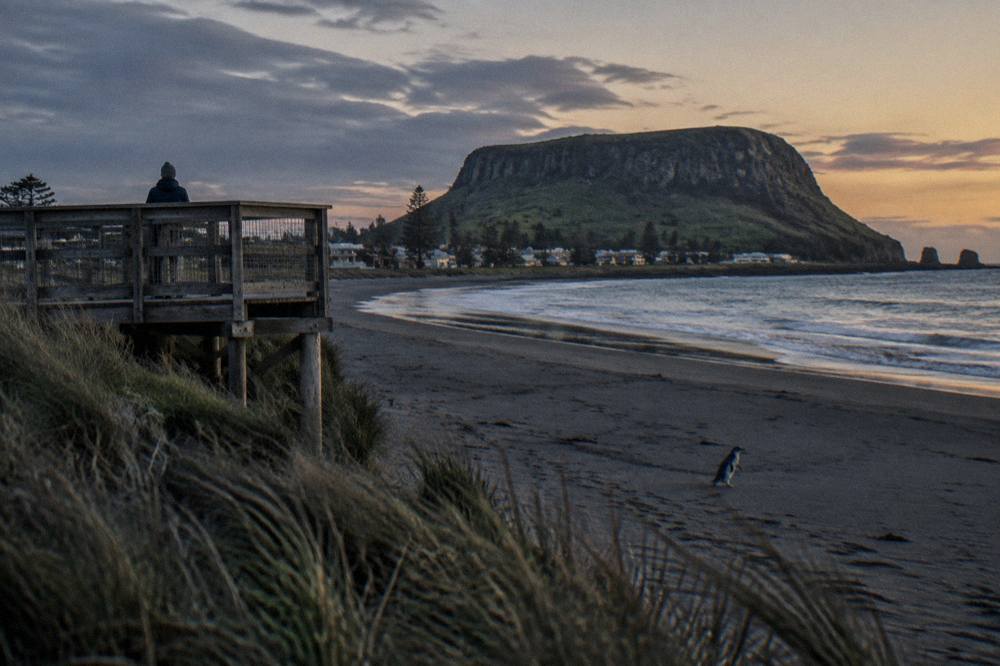
The seasonal pattern follows the breeding calendar rather than a tourism calendar. NRE Tasmania describes a breeding season that varies by bird, place and year, commonly concentrated from September to January, with clutches of two eggs possible as early as May or as late as December. Locally reported guidance for the north-west coast puts the best Stanley viewing from September to March, with numbers thinning through the winter months. February to April adds a wrinkle: that is the moulting window, when adults stay ashore for two to three weeks replacing all their feathers, so you can see birds, but they are stationary and scruffy rather than parading in from the surf. For everything else about watching them around The Nut, from the best viewing spots to guided options, see our complete guide to penguin viewing and tours in Stanley.
Here is how the year breaks down for a Stanley visit:
| Months | What to expect at Stanley | Notes |
|---|---|---|
| September to November | Breeding season builds, evening activity increases | Settle at the platform before last light |
| December to January | Peak activity and latest sunsets, viewing can start after 9pm | Warmest evenings, most competition for space |
| February to April | Moulting window, birds ashore but less movement | Quieter beaches, dim red light still required |
| May to August | Fewest birds ashore, cold nights | Possible but not the trip to plan around |
One planning note worth folding in early: this is a self-guided experience, so nothing sells out and nothing needs booking in Stanley itself. If you would rather have a guide, a small group and a guaranteed structure, the closest nightly guided tour runs at Low Head on the north coast, and this site's Low Head penguin tours guide covers it in full. For a quick side-by-side of the two bookable guided tours on this site, start here:
What Time Of Day Do The Penguins Come Ashore At Stanley?
Little penguins leave the water at last light, and most come ashore in small groups within an hour or so of full darkness. At Stanley that means being on the Godfreys Beach platform before sunset, settled and still while the sky fades. The exact clock time swings widely across the year, so check the day's sunset time before you go.
The NRE Tasmania guidance on penguin watching is blunt about the mechanism: penguins leave the water at last light, and disturbed birds stay at sea longer, which stresses them and delays feeding of chicks. That is why every credible viewing rule, from the state guidelines to the local platform etiquette, tells you to arrive and settle before dark rather than walk down once the birds have started landing. Movement, torch beams and noise on the beach push the evening's arrivals back, sometimes past your patience.
The clock is the variable people underestimate. Sunset in Tasmania runs from roughly 6:20pm in early October to near 8:50pm in late December, easing back to around 7:30pm by late March, and those are southern-hemisphere swings of more than two hours across the viewing season. A September visit means a 6pm start and dinner after; a January visit means the penguins may not appear until well after 9:30pm and dinner comes first. Check a sunset table for your exact date rather than trusting a month-old memory of one. If you're planning a longer trip around the island, the guide to Tasmania wildlife tours covering penguins, devils and more helps you slot Stanley into a bigger itinerary.
Patience is the real ticket. Groups land in rafts, hesitate in the shallows, then dash across the sand in bunches of a few birds, and the first group may arrive 40 minutes after you expected it. Binoculars help in the last grey light, and the state guidelines specifically recommend them. Give the evening a two-hour window from sunset and you will rarely leave disappointed in season.
Is There A Guided Penguin Tour At Stanley?
No. No organized penguin tour operates at Stanley; viewing is do-it-yourself from the free platforms at Godfreys and Tatlows Beaches. The nearest nightly guided tour runs at Low Head near George Town, about one hour of guided viewing with small groups, rated 5.0 from 22 reviews and from $83 per person with a Launceston transfer. If you'd rather base yourself in the north and skip the drive to Stanley altogether, the guide to spotting penguins near Launceston explains how the Low Head tour works from the city.
This is the point where a Stanley plan either embraces the DIY evening or borrows a guide from elsewhere. The self-guided night costs nothing and needs no booking, but it also comes with no red torches supplied, no one to point at the first raft of birds, and no shelter if the wind comes off the Bass Strait. Families with young children and visitors who want certainty often do better with a guided product, and the closest one is the Low Head tour on this site's north-coast roster: about three hours door to door with central Launceston pickup, roughly an hour of guided penguin viewing at Low Head, a maximum of 10 guests, and free cancellation. It is rated 5.0 from 22 reviews, from $83 per person, and the operator supplies the low-intensity lights so nobody's phone flash spoils the beach. You can read the full Low Head tour page for the meeting details, or Check availability if the date is already firm.
The other guided option on this site sits on the opposite coast: the Bicheno penguin tour, a 70-minute guided beach walk on a private rookery on the east coast, rated 4.8 from 26 reviews and from $53 per person. It suits an east-coast itinerary rather than a north-west one, but it is the cheaper of the two guided nights and the listing is flagged as often selling out, so it rewards early booking. The honest comparison looks like this:
| Stanley (self-guided) | Low Head (guided) | Bicheno (guided) | |
|---|---|---|---|
| Price | Free | From $83 per person | From $53 per person |
| Style | DIY platform viewing | Small group, max 10, guide supplied | Guided beach walk, about 500 m |
| Duration | Your own window | About 3 hours with transfer | 70 minutes with the guide |
| Rating | Not applicable | 5.0 from 22 reviews | 4.8 from 26 reviews |
| Cancellation | Not applicable | Free cancellation | Free cancellation |
| Best for | North-west road trips | Launceston-based visitors | East-coast itineraries |
If your heart is set on Stanley itself, none of that replaces the free evening under The Nut; the guided tours are the fallback for the nights when you want a structure. For help choosing between the two guided products, this site's Bicheno versus Low Head comparison breaks down the trade-offs by base city, budget and group size.
Where To Watch Penguins Around Stanley?
The main site is the Godfreys Beach viewing platform west of town below The Nut, reported free, fitted with red lighting and accessible for wheelchairs and prams. Tatlows Beach on the more sheltered side of town is the second spot. Parks and Wildlife also names The Nut State Reserve itself for little penguins and shearwaters at dusk.
Godfreys Beach is the practical answer for most evenings. The platform is the one purpose-built piece of penguin infrastructure in the area, and local visitor information describes it as free, with red lighting that lets you watch without flooding the beach in white light. The reported wheelchair and pram access matters more than it sounds: a self-guided penguin night often ends with a tired walk back in the dark, and a level boardwalk removes the worst of it. Bring layers regardless; the north-west coast is windy at the best of times and spring is the windiest season of all, with rapid changes between sunshine, squalls and hail. More of these guides are collected on Tasmania Penguin Tours.
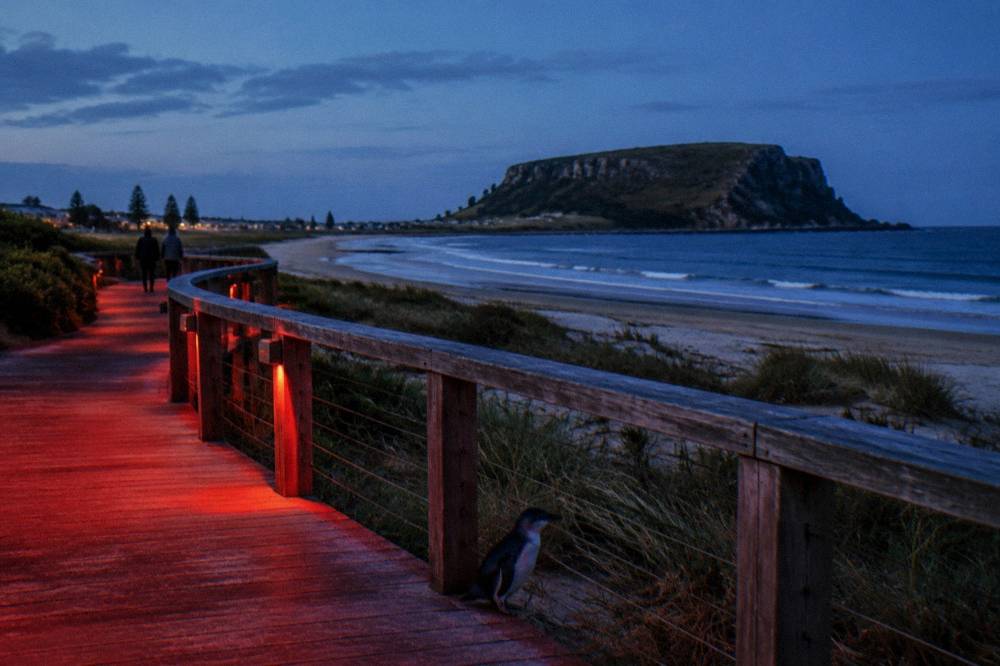
Tatlows Beach is the quieter alternative, a sheltered stretch on the town side where birds also come ashore at dark. It has no platform infrastructure, so it demands more discipline from the watcher: arrive before last light, pick a spot away from burrows, and stay put. The reward is solitude on evenings when the Godfreys platform has a small crowd, which in a town the size of Stanley is rarely more than a handful anyway.
The Nut itself deserves its line. The Parks and Wildlife Service names The Nut State Reserve for little penguins and shearwaters at dusk, which is the official stamp behind Stanley's penguin reputation, and the Nut and Stanley guide covers the chairlift and the walk if you are pairing a dusk penguin wait with a daytime climb. One thing to keep straight while you are in the region: the town of Penguin, further east along the north-west coast, is a different proposition altogether, a township named for the bird rather than a colony you can book a tour for, as this site's Penguin town guide explains.
What Are The Rules For Watching Penguins At Stanley?
Follow the NRE Tasmania penguin watching guidelines: wear dark clothing, approach from land along existing tracks, stay at least 3 m from burrows and never block them, keep quiet and still, and use only dim red light, never pointed at the water or the birds. No flash photography, no dogs or cats, and never touch a penguin.
The state guidelines are short and worth reading in full before a DIY night, because at Stanley nobody will be there to enforce them but you. The logic behind each rule is the same: penguins land at last light because darkness protects them, and anything that mimics daylight, a white torch, a flash, a loud group, pushes them back out to sea. The guidelines ask you to settle before last light, keep movement minimal, and approach from the land side rather than walking up the beach, so the birds' landing corridor stays clear.
Red light is the one allowance. A dim red torch, or a normal torch wrapped in red cellophane, is acceptable because it does not wreck the birds' dark adaptation, and it must never be pointed toward the water or directly at a penguin. Video without spotlights is fine, and binoculars are explicitly recommended for the last grey minutes. Photography without flash is the rule at every Tasmanian site, and the reasoning behind it is covered in this site's penguin photography rules guide, worth a read before you rely on a phone camera in the dark.
Two hard lines close the list. Dogs and cats are banned from penguin beaches under any circumstances, even leashed, because a single dog can kill many birds in one night; Bicheno's colony famously fell to about 40 birds in the early 1990s after dog attacks before land restoration brought it back. And penguins are protected wildlife in Tasmania: catching or harassing one is illegal, and touching is out of the question, however close a fledgling waddles past your feet. If you see a sick or dead bird, do not handle it; report it to the Emergency Animal Disease Hotline on 1800 675 888.
What If You Want More Penguins Than Stanley Delivers?
If Stanley's winter is too quiet, the north and east coasts carry more options: free volunteer-guided viewing at Lillico Beach and Burnie, nightly guided tours at Low Head, and a 70-minute guided beach walk at Bicheno on the east coast. Each suits a different base, budget and season.
The north-west coast actually clusters well for penguin hunters. Burnie runs free volunteer-guided viewing at its Observation Centre every night at dusk from 1 October to 31 March, no booking needed, donations welcome, with a level wheelchair-accessible boardwalk; this site's Burnie penguins guide has the arrival-time detail. Lillico Beach, ten minutes west of Devonport, has a volunteer-run platform with guides holding red torches through the September to April season, also free, covered in the Lillico Beach penguins guide. A Stanley trip can reasonably string Godfreys, Lillico and Burnie into one coastal run in season, spending nothing but fuel and patience.
The guided products earn their keep when the weather turns or the schedule is tight. The Bicheno walk, 4.8 from 26 reviews and from $53 per person, is the shorter and cheaper guided night, and the Low Head tour with its Launceston transfer, 5.0 from 22 reviews from $83, is the one that removes all the driving questions for visitors based in the north's biggest city. Neither is at Stanley, and that is fine: Stanley's evening is the free one, the one you plan yourself around a sunset time and a red torch. Pack dark clothes and enclosed shoes, check the wind forecast, and give the birds the full hour after dark. The what to wear on a penguin tour guide finishes the packing list.
Whichever coast you land on, the two guided nights on this site cover the structured end of the spectrum:
Common Questions About Penguins At Stanley
When Can You See Penguins At Stanley?
Viewing runs roughly September to March, with the strongest activity late September to January during breeding. Birds come ashore at dark, within an hour or so of full darkness, at the free Godfreys Beach platform and Tatlows Beach. Winter visits are possible but deliver far fewer birds.
Do you need to book anything to see penguins at Stanley?
No. There is no tour, no ticket and no booking at Stanley; viewing is free and self-guided. Just arrive at the platform before sunset with dark clothing and, if you carry a torch, red cellophane over the lens.
Is the Godfreys Beach platform free?
Yes, local visitor information describes the platform as free, with red lighting and wheelchair and pram access reported. A Tasmania parks pass is not required for the penguin viewing sites in this region; passes apply to national park entry.
Can you take photos of the penguins at Stanley?
Only without flash. Flash photography is banned on the beach at every Tasmanian penguin site because it damages the birds' night vision and disturbs their landing. Video without spotlights is fine, and binoculars are the better tool for the last light.
What is the closest guided penguin tour to Stanley?
The nightly Low Head tour near George Town, on the north coast, is the closest guided option: about an hour of guided viewing, a maximum of 10 guests, rated 5.0 from 22 reviews, from $83 per person with a Launceston transfer available and free cancellation.
Are there penguins at Stanley in winter?
Some, but far fewer. Local guidance for the north-west coast describes September to March as the productive window and winter as noticeably quieter, and moulting from February to April keeps many adults ashore and stationary rather than parading in from the surf.