Things To Do In Tasmania: Where A Penguin Evening Fits
Tasmania rewards a week more than a weekend, and the island's two nightly penguin tours, at Bicheno on the east coast and Low Head on the north coast, are two of the easiest wildlife experiences to bolt onto almost any route.
Short answer
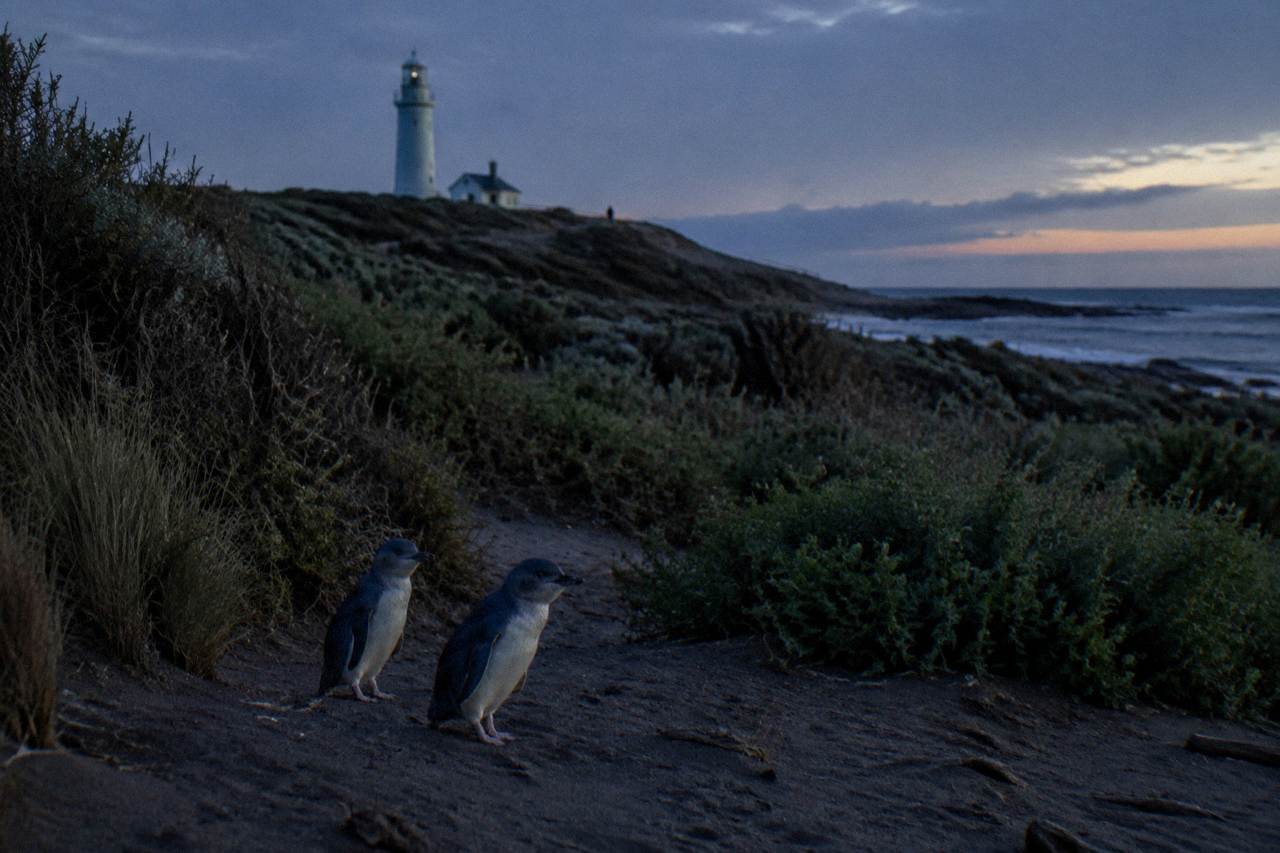
Tasmania's biggest draws are the east coast road trip, the Launceston and Tamar region, and Hobart with Bruny Island. A guided penguin evening fits either coast: from $53 per person for 70 minutes at Bicheno, or from $83 per person for about 3 hours door to door from Launceston to Low Head.
What Are The Best Things To Do In Tasmania?
Tasmania packs wilderness, wildlife, food and coastal drives into an island you can cross in a day of driving: the east coast holds Freycinet, Bicheno and the Great Eastern Drive, the north holds Launceston, Low Head and the Tamar Valley, and the south holds Hobart, Bruny Island and Port Arthur. Most visitors split a week between two of the three.
The honest answer to this question depends on how many days you have. Tasmania is small by mainland standards but slow to drive, with winding coastal roads, wildlife on the verges at dusk and, on the east coast, a major highway upgrade between Bicheno and the Coles Bay Road turn-off that has been under way since early 2025 and is expected to finish in 2027. Building a trip around two bases rather than four keeps the driving sane.
The east coast is the classic first-timer route. The Great Eastern Drive strings together the beaches north of Hobart, the Tasman Peninsula's cliffs and convict history, the pink granite of Freycinet, the fishing town of Bicheno and the white sand of the Bay of Fires. It is also where this site's own specialty lives: the nightly guided penguin walk at Bicheno, one of the most reliable wildlife evenings on the island.
The north is quieter and often cheaper. Launceston anchors the Tamar Valley wine region, and from there the coast runs through George Town and Low Head to the north-west, where free volunteer-run penguin viewing at Lillico and Burnie sits alongside Stanley's Nut and the towns of the Bass Highway corridor. Arriving by the Spirit of Tasmania ferry at Devonport puts you right in the middle of it.
The two bookable penguin evenings on Tasmania Penguin Tours split cleanly: the east coast option is shorter and lower priced, the north coast option is longer with a transfer included. Everything else in this guide, the ferries, the seasons, the costs and the free alternatives, is built around that choice. The Parks and Wildlife Service also names dusk viewing platforms at Bruny Island Neck, Lillico, Low Head, Burnie and Stanley for travellers who prefer to go without a guide.
Where Does A Penguin Evening Fit On The East Coast?
The east coast is Tasmania's classic road trip: Hobart, the Tasman Peninsula, the Great Eastern Drive to Bicheno and Freycinet, then the Bay of Fires. A penguin evening slots in at Bicheno, where a guided tour runs nightly from $53 per person and lasts 70 minutes, so it costs little time and fits after dinner. The birds you'll meet at Bicheno are little penguins, and if you're curious about why some people call them fairy penguins, our guide to little penguins versus fairy penguins clears up the naming confusion.
Bicheno works as a penguin base because the town sits roughly halfway along the east coast, close enough to Freycinet for a morning walk and far enough north to break the drive to the Bay of Fires. The tour meets at the operator's shop on Burgess Street, takes a short bus ride to a private rookery, then covers about 500 metres on foot over roughly 50 minutes with a guide. There are no toilets at the rookery and no pickups from accommodation, so you drive yourself to the shop, park for free and walk from there.
The listing is rated 4.8 from 26 reviews and is flagged as often selling out, which is worth knowing if your dates are fixed: the operator advises booking well ahead, particularly in the September to January breeding season when rookery activity is at its peak. February to August is the quieter window, with earlier departure times between 5:00pm and 7:30pm adjusted to dusk, against 7:30pm to 9:30pm in the spring and summer season. Photography is allowed without flash, and enclosed shoes are required.
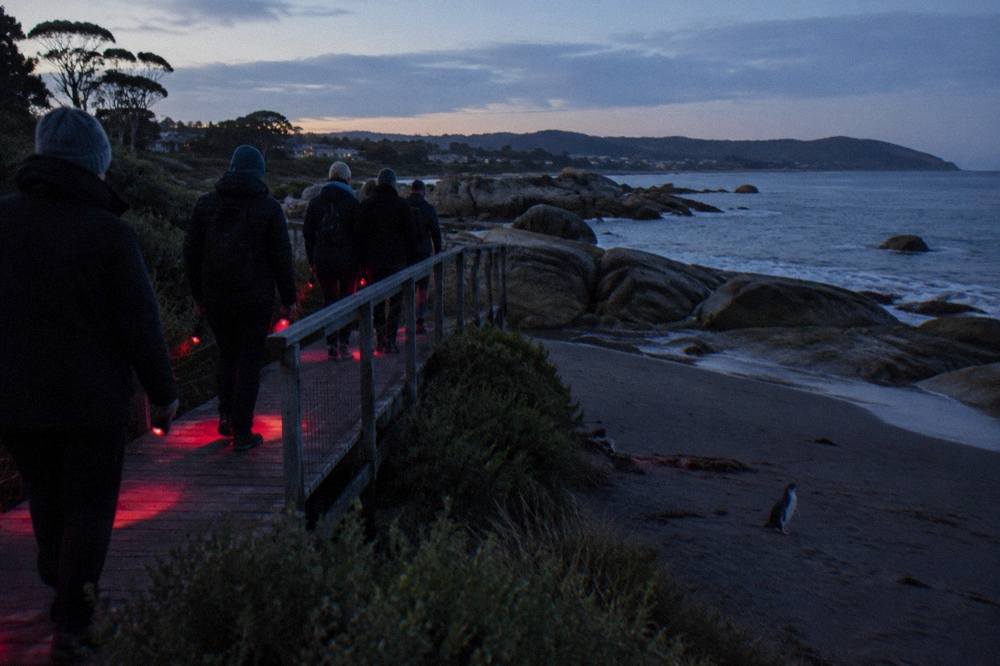
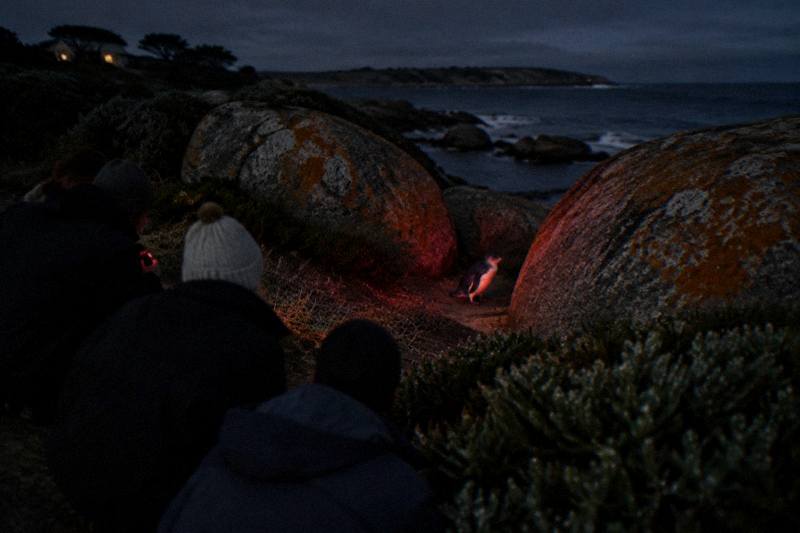
The rookery itself has a story worth knowing. The operator, established in 1992, says the colony fell to about 40 birds in the early 1990s after dog attacks, then recovered through years of land restoration on the private reserve. That restoration is why the site works as a tour: the birds are protected, the access is controlled, and the guide holds the red light.
If you are building the full east coast route, our east coast Tasmania itinerary guide breaks the drive into stages, and our Bicheno penguin tours guide covers the tour in detail. You can also read the tour page for the Bicheno beach walk on this site, or Check availability on the live listing if your dates are already set.
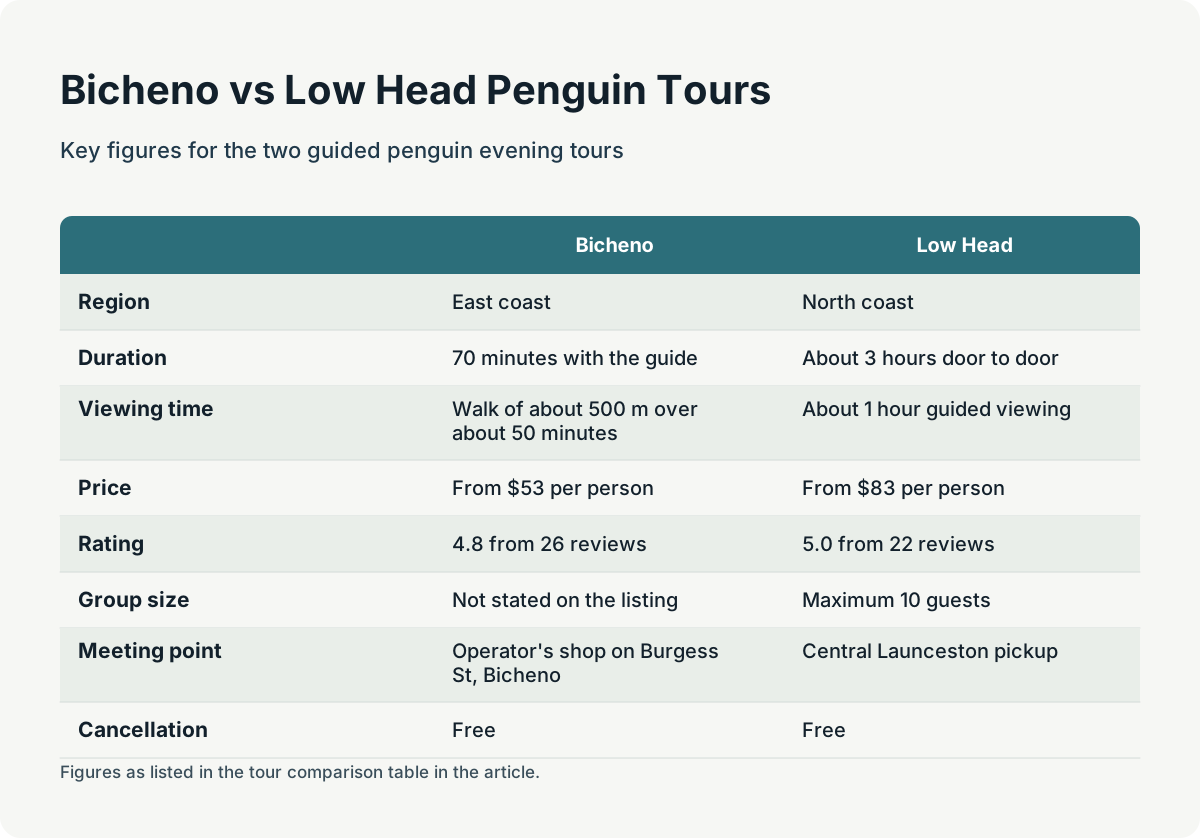
Here is how the two bookable evenings compare as add-ons to a general trip.
| Bicheno Beach Walk | Low Head With Launceston Transfer | |
|---|---|---|
| Region | East coast | North coast |
| Duration | 70 minutes with the guide | About 3 hours door to door |
| Viewing time | Walk of about 500 m over about 50 minutes | About 1 hour guided viewing |
| Price | From $53 per person | From $83 per person |
| Rating | 4.8 from 26 reviews | 5.0 from 22 reviews |
| Group size | Not stated on the listing | Maximum 10 guests |
| Meeting point | Operator's shop on Burgess St, Bicheno | Central Launceston pickup |
| Cancellation | Free | Free |
Can You See Penguins From Launceston Or The North Coast?
Yes. Launceston is the practical base for the north coast, and a small-group Low Head penguin tour with central Launceston pickup runs about 3 hours door to door, from $83 per person, with about an hour of guided viewing at the Low Head Coastal Reserve. Groups are capped at 10 guests and cancellation is free.
The north coast option suits travellers who are staying in Launceston and would otherwise not reach a penguin colony at all. The transfer is handled for you, the viewing is fully guided, and the tour runs every night of the year just after sunset, with numbers varying by season and generally higher from November to February. The operator supplies low-intensity lights, and selfie sticks, tripods and flash are all banned. Wheelchair access is available.
The tour's own rating sits at 5.0 from 22 reviews, a small pool but a strong one. The listing price of from $83 per person includes the Launceston transfer; the Low Head operator also sells tickets directly at the reserve without the transfer, at $50 per adult, so it is worth being clear about which product you are buying before you compare prices. One practical note if you are driving yourself: the Low Head Pilot Station's cafe, accommodation and toilets have been closed since 22 April 2026 pending a new lessee, while the tours and grounds stay open, so plan food and facilities elsewhere.
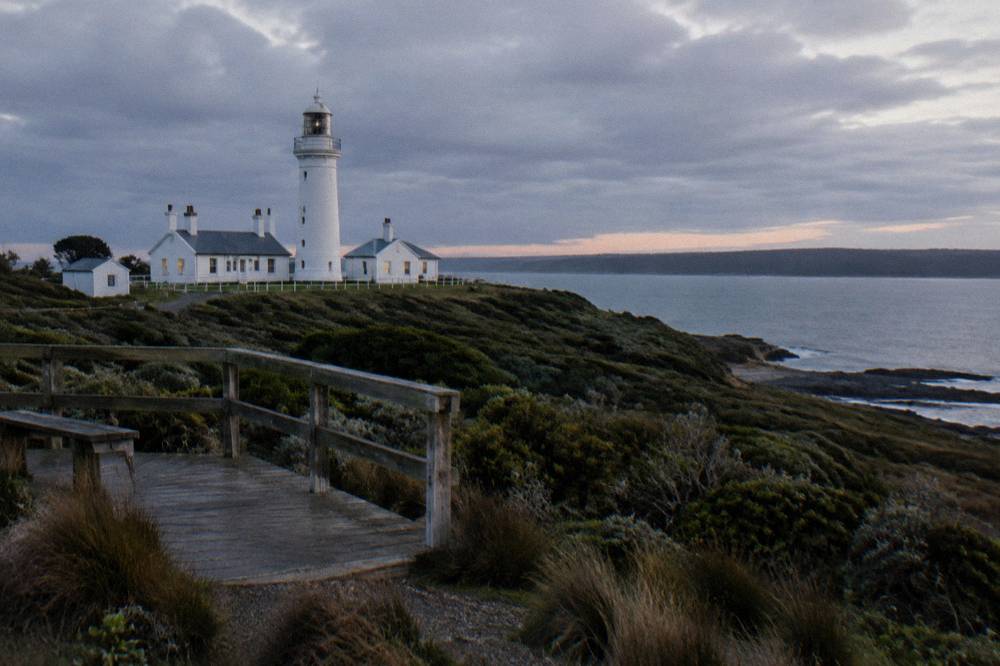
Beyond the tour, the north coast is the island's free penguin heartland. Lillico Beach, ten minutes west of Devonport, has a volunteer-run viewing platform generally in use from September to April, with guides holding red torches and no visitor torches or flash allowed. Burnie's Observation Centre runs free guided viewing nightly at dusk from 1 October to 31 March. Stanley's Godfreys Beach has a free, wheelchair-accessible platform with red lighting. None of these needs a booking, and donations are welcome at Lillico and Burnie.
Our free penguin viewing in Tasmania guide maps all of the free sites, and the Low Head penguin tours guide covers the north coast tour in full.
What Changes About Getting To Tasmania In Late 2026?
Two big changes land in late 2026. The Spirit of Tasmania IV and V begin inaugural passenger sailings on 31 October 2026, night sailings only at first, from Geelong to Devonport. And the Bruny Island ferry moved to its summer timetable on 28 September 2026, with a 15 percent peak surcharge on visitor regular fares from 1 December to April.
The ferry transition is the one to watch if you are crossing Bass Strait. The current vessels, Spirit of Tasmania I and II, operate until a transition period in the final week of October 2026, after which the new ships take over with night sailings only at first and no day sailings during the changeover. Additional accommodation, including pet-friendly cabins, became bookable from 16 September 2026, and the fuel surcharge was removed on 1 September 2026. The official Spirit of Tasmania site carries the current schedule.
If your trip includes Bruny Island, the ferry from Kettering to Roberts Point takes about 20 minutes and runs 365 days a year on a queueing system: pre-purchased tickets are valid for the next available ferry, not a specific sailing, so you cannot book a crossing time. Kettering is a 35-minute drive from Hobart. A vehicle under 6 metres on the visitor regular fare costs $58.60 return between 28 September and 30 November, rising to $67.30 from 1 December to April under the peak surcharge, with a $50.90 saver fare at designated times. The SeaLink timetable page has the live detail.
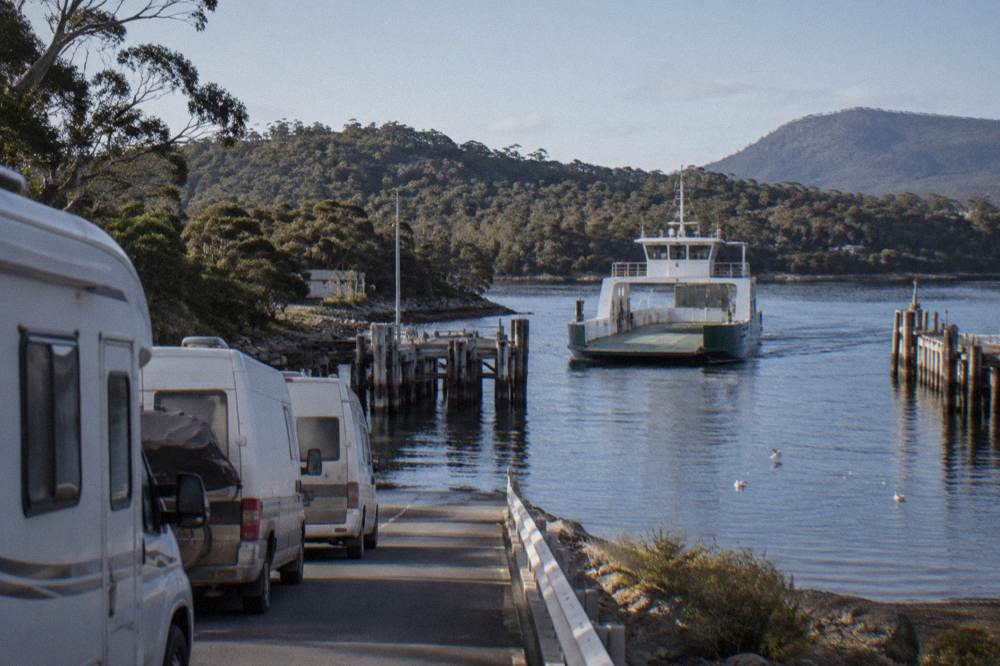
On the roads, allow extra time on the east coast. The Apsley package of upgrades on the Tasman Highway between Bicheno and the Coles Bay Road turn-off, including the east coast's first Hobart-bound overtaking lane, began in early 2025 with completion expected in 2027, and the nearby Triabunna package began in April 2026. The state's roadworks map on transport.tas.gov.au shows current delays. And wherever you drive at dusk, which is exactly when penguin tours start, slow down for wildlife: dusk and dawn are the island's peak roadkill windows.
When Is The Best Time To Visit And What Should You Pack?
September to January is the little penguin breeding season and the busiest time at the rookeries; February to April is moulting, when birds stay ashore; winter from June to August is quieter but tours still run nightly. For weather, pack warm layers in any season; coastal evenings stay cold and windy, dark clothing and enclosed shoes for any evening outdoors.
The penguin calendar matters more than the weather calendar if wildlife is the point of your trip. Clutches of two eggs can be laid as early as May or as late as December, incubation runs about 35 days, and chicks fledge at about eight weeks, so the September to January window catches the most activity at most rookeries. Moulting adults stay ashore for roughly two to three weeks between February and April while they replace all their feathers. Winter viewing is quieter, with the Bicheno operator describing February to August as its nesting and maintenance season.
Evenings are the constraint. Penguins come ashore at last light, in small groups within an hour or so of darkness, and Hobart-area sunsets run from roughly 6:20pm in early October to peaks near 8:50pm in late December, easing back to about 7:30pm by late March. That means summer tour departures start as late as 9:30pm, which is late for small children but fine for most adults. Check the exact sunset for your date and location before you plan dinner.
| Season | What The Penguins Are Doing | What It Means For Viewing |
|---|---|---|
| September to January | Breeding season, most activity at the rookeries | Best window for numbers; book the guided tours early |
| February to April | Moulting, adults ashore 2 to 3 weeks | Birds visible but inactive; quieter beaches |
| May to August | Winter, nesting and maintenance | Quietest viewing; Bicheno departures 5:00pm to 7:30pm |
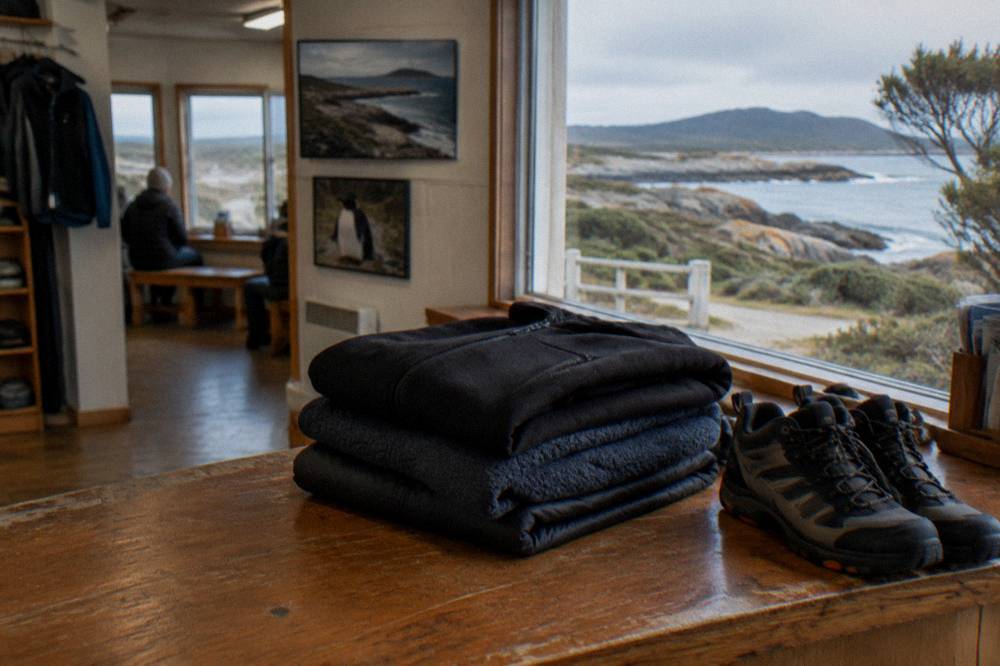
Packing for a penguin evening is simple and the rules are not optional. The state's penguin watching guidelines ask for dark clothing, quiet movement, settling into place before last light, and only dim red-light torches, never pointed at the water or directly at a bird. No flash on the beach, no dogs or cats under any circumstances, and stay at least 3 metres from burrows. Our what to wear on a penguin tour guide has the full checklist, and the best time to visit Tasmania guide covers the weather side.
How Much Does A Tasmania Trip Cost?
A Tasmania trip is cheaper than most visitors expect once you are on the island. The two bookable penguin evenings cost from $53 and from $83 per person, free viewing platforms at Lillico, Burnie and Stanley cost nothing, and a national parks daily pass is $49.15 per vehicle for up to eight people if your route includes a park.
Accommodation and food vary enormously by season, so treat the ranges below as planning figures and confirm everything before you book. The two constants worth locking in early are the penguin evenings, because the Bicheno listing is flagged as often selling out, and the ferries, because peak-season crossings and Bruny sailings get busy.
| Trip Item | Planning Range | Notes |
|---|---|---|
| Bicheno penguin tour | From $53 per person | 70 minutes, nightly, free cancellation |
| Low Head tour with transfer | From $83 per person | About 3 hours door to door, max 10 guests |
| Free penguin viewing | $0 | Lillico, Burnie, Stanley; donations welcome |
| Parks daily pass | $49.15 per vehicle | Up to 24 hours, up to 8 people, excludes Cradle Mountain |
| Parks holiday pass | $98.35 per vehicle | Up to 2 months |
| Bruny ferry, vehicle under 6 m | $58.60 to $67.30 return | Visitor regular fare; $50.90 saver at set times |
One point of confusion worth settling: a parks pass is required for entry to all of Tasmania's national parks, but the penguin viewing sites are not national parks. Bicheno's rookery is private land, Low Head is a coastal reserve, and Lillico, Burnie and the Bruny Neck are conservation areas or council land. The Parks and Wildlife Service passes page lists what each pass covers, and the fees were last set on 1 July 2026. If your route includes Freycinet, which the east coast drive usually does, that is when the pass applies.
What Can You Do For Free Around Tasmania?
Plenty. Free penguin viewing runs at Lillico Beach near Devonport with volunteer guides from September to April, nightly at Burnie's Observation Centre from 1 October to 31 March, and year round from the platform at Godfreys Beach in Stanley. Add free walks, beaches and lookouts, and a full day can pass without a single ticket.
The free penguin sites are the island's best-kept budget secret, and they sit almost entirely on the north and north-west coasts. Lillico's platform is volunteer-run by the Friends of Lillico Penguins, with two or three guides on site most evenings in season holding red torches and answering questions. Burnie's guides gather at the Observation Centre on the boardwalk at Parsonage Point, a walkable distance from the city centre, from 30 minutes before dusk. Stanley's Godfreys Beach platform is self-serve with red lighting and no booking.
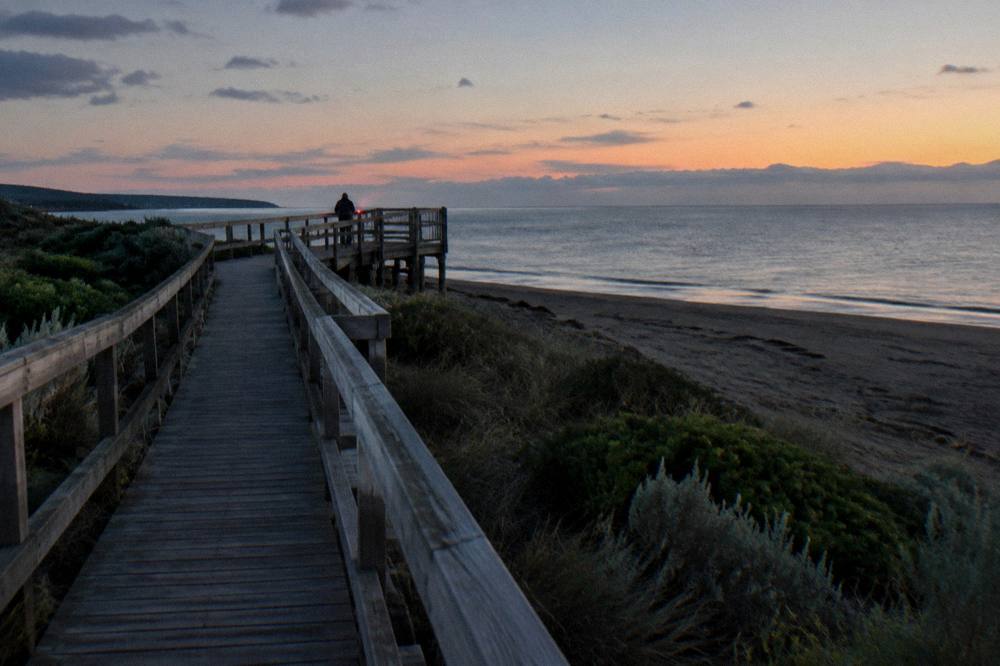
The same rules apply at free sites as on paid tours, and they matter more because no guide is watching. Arrive before last light, keep quiet, use no torch but a dim red one, keep 3 metres from burrows, never walk through the colony, and leave dogs at home. Disturbed birds stay at sea longer, which delays feeding of chicks. The penguin photography rules in Tasmania guide explains why flash is off-limits and what you can shoot instead.
Beyond penguins, the free list is long: the Bicheno blowhole, an unfenced granite coastal attraction open at all times, the lookouts along the Great Eastern Drive, the Neck lookout on Bruny Island, and dozens of short walks in reserves that need no pass. The town of Penguin on the north-west coast, named for the bird, is a free-stop curiosity with self-guided beach viewing at dusk, roughly November to March, though no organized tours currently run there.
Whether you go guided or free, the shape of a good Tasmania trip is the same: pick two bases, drive in daylight, and keep at least one evening free for the birds. The two guided options below cover both coasts, and both allow free cancellation if your plans shift.
Common Questions About Things To Do In Tasmania
What are the best things to do in Tasmania?
The highlights split by coast: the east coast road trip through Bicheno and Freycinet, the Launceston and Tamar region with Low Head on the coast, and Hobart with Bruny Island and the Tasman Peninsula. A nightly penguin tour at Bicheno from $53 per person or Low Head from Launceston from $83 per person works as an evening anchor on either route.
Can you see penguins in Tasmania without a tour?
Yes. Free viewing platforms run at Lillico Beach near Devonport with volunteer guides from September to April, nightly at Burnie from 1 October to 31 March, and year round at Godfreys Beach in Stanley. The rules are the same as on tours: no flash, red light only, quiet, and no dogs.
How many days is enough for Tasmania?
Most visitors do best with at least a week split between two bases, such as Hobart plus the east coast, or Launceston plus the north-west. The island is slow to drive, wildlife is active at dusk, and a penguin evening takes two to three hours out of any night.
What is changing with the ferries to Tasmania in 2026?
The Spirit of Tasmania IV and V begin inaugural passenger sailings on 31 October 2026, night sailings only at first, from Geelong to Devonport. The Bruny Island ferry moved to its summer timetable on 28 September 2026, with a 15 percent peak surcharge on visitor regular fares from 1 December to April.
When is the best time to see penguins in Tasmania?
September to January is the breeding season with the most activity at the rookeries. February to April is the moulting window when birds stay ashore, and winter is quieter but tours run nightly year round at both Bicheno and Low Head.
Do you need a parks pass for penguin viewing in Tasmania?
No. The penguin viewing sites are private land, coastal reserves or conservation areas rather than national parks. A parks pass is required only if your route includes a national park such as Freycinet, at $49.15 per vehicle for a daily pass covering up to eight people.